
What Is the Hakone Free Pass?
The Hakone Free Pass is an all-in-one sightseeing ticket issued by Odakyu Electric Railway that grants unlimited rides on eight different transportation networks throughout the Hakone area. It also includes a round-trip ticket on the Odakyu Line between Shinjuku and Odawara (or a one-way supplement option if you depart from another station). Designed specifically for tourists and day-trippers, the pass is widely regarded as the most cost-effective way to explore Hakone's sprawling network of trains, buses, cable cars, ropeways, and sightseeing boats.
For travelers planning a trip to Hakone from Tokyo, the Hakone Free Pass eliminates the hassle of buying individual tickets at every stop. Instead of fumbling with coins at ticket machines or tapping your IC card repeatedly, you simply show the pass and board. Over the course of a full day — or better yet, two or three days — the savings add up significantly compared to purchasing each fare separately.
-

-
Hakone: The Ultimate Travel Guide for 2026 — Hot Springs, Mt. Fuji Views & Scenic Drives
Why Hakone Should Be on Every Japan Traveler's List Hakone is one of the most beloved destinations n ...
続きを見る
Hakone Free Pass Pricing in 2026
The Hakone Free Pass is available in two-day and three-day versions. Pricing depends on your departure station and age group. Below are the standard fares as of 2026:
From Shinjuku Station
- 2-Day Pass (Adult): ¥6,100
- 2-Day Pass (Child, 6–11): ¥1,100
- 3-Day Pass (Adult): ¥6,500
- 3-Day Pass (Child, 6–11): ¥1,350
From Odawara Station
- 2-Day Pass (Adult): ¥5,000
- 2-Day Pass (Child, 6–11): ¥1,000
- 3-Day Pass (Adult): ¥5,400
- 3-Day Pass (Child, 6–11): ¥1,250
Note that these prices are subject to revision. Always confirm the latest fares on the official Odakyu website or at the ticket counter before purchasing. Children under six ride free when accompanied by a paying passenger.
What Does the Hakone Free Pass Cover?
The pass covers an impressive range of transport within the Hakone region, essentially forming a loop route that lets you circle the entire area without retracing your steps. Here is the full list of included transportation:
- Odakyu Line: Round trip between Shinjuku and Odawara (regular express car; Romance Car requires a surcharge)
- Hakone Tozan Railway: From Odawara to Gora via Hakone-Yumoto
- Hakone Tozan Cable Car: From Gora to Sounzan
- Hakone Ropeway: From Sounzan to Togendai via Owakudani
- Hakone Sightseeing Cruise: Across Lake Ashi between Togendai, Hakone-machi, and Moto-Hakone
- Hakone Tozan Bus: Designated routes throughout the Hakone area
- Odakyu Hakone Highway Bus: Between Togendai and Odawara
- Numazu Tozan Tokai Bus: Select routes in the Hakone area
This comprehensive coverage means you can ride the mountain railway up to Gora, take the cable car and ropeway over the volcanic Owakudani valley, cruise across Lake Ashi with views of Mt. Fuji, and bus back to Hakone-Yumoto — all on a single pass.
-
-
Hakone Ropeway: Complete Guide to Views, Tickets, and Tips for 2026
What Is the Hakone Ropeway? The Hakone Ropeway (箱根ロープウェイ) is one of the most iconic aerial tramways ...
続きを見る

How to Buy the Hakone Free Pass
There are several convenient ways to purchase the Hakone Free Pass, both in person and online:
At Ticket Counters and Machines
- Shinjuku Station: Visit the Odakyu Sightseeing Service Center on the ground floor of the Odakyu Line area at Shinjuku Station. Multilingual staff are available to help.
- Odawara Station: If you arrive via JR or Shinkansen, purchase the Odawara-departure version at the Odakyu ticket window inside Odawara Station.
- Hakone-Yumoto Station: Available at the information center, though buying here means you miss the included Odakyu Line round trip.
Online and via Apps
The Odakyu e-Romance Car reservation system and the EMot app allow advance digital purchases. You can also find the pass on platforms like Klook and KKday, which sometimes bundle it with other discounts or offer multilingual support during the booking process.
When buying the pass, choose your start date carefully. The validity period begins on the first day of use, not the purchase date, which gives you some flexibility if you buy it a day or two early.
Is the Hakone Free Pass Worth It?
To determine whether the Hakone Free Pass saves you money, consider the cost of the standard Hakone loop route if purchased ticket by ticket:
- Shinjuku → Odawara (Odakyu express): ~¥900 one way
- Odawara → Hakone-Yumoto → Gora (Hakone Tozan Railway): ~¥670
- Gora → Sounzan (Cable Car): ~¥430
- Sounzan → Togendai (Ropeway): ~¥1,500
- Togendai → Moto-Hakone (Sightseeing Cruise): ~¥1,200
- Moto-Hakone → Odawara (Bus): ~¥1,200
- Odawara → Shinjuku (Odakyu express): ~¥900
The individual fares for this basic loop total approximately ¥6,800 or more. Since the 2-day Hakone Free Pass from Shinjuku costs ¥6,100, you already save money by completing the standard sightseeing loop just once. Any additional bus rides, detours, or a second day of exploration only increase the value. For most visitors, the pass is unquestionably worth the investment.
Hakone Free Pass Discounts at Attractions
Beyond transportation, the Hakone Free Pass entitles holders to discounted admission at dozens of museums, hot springs, and attractions throughout the region. Simply show your pass at the ticket window. Notable participating facilities include:
- Hakone Open Air Museum: Discount on adult admission
- Hakone Venetian Glass Museum: Reduced entry fee
- Hakone Shrine (treasure hall): Small discount
- Tenzan Tohji-kyo Onsen: Discounted bathing fee
- Hakone Aquarium: Reduced admission
- Narukawa Art Museum: Discount on entry
The discounts are typically in the range of ¥100 to ¥200 per attraction, but they add up if you visit multiple spots. A full list of partner facilities is printed on the leaflet included with the pass or available on the Odakyu website.
-
-
The Hakone Open Air Museum: A Complete Visitor's Guide for 2026
What Is the Hakone Open Air Museum? The Hakone Open Air Museum (箱根彫刻の森美術館, Hakone Chokoku no Mori Bi ...
続きを見る
How to Use the Hakone Free Pass Efficiently
The classic strategy is to travel the Hakone loop in one direction — either clockwise or counterclockwise — to avoid backtracking and maximize your time. Here is the recommended counterclockwise route, which tends to have shorter queues in the morning:
Recommended Day 1 Itinerary
- Morning: Depart Shinjuku on the Odakyu Line to Hakone-Yumoto. Transfer to the Hakone Tozan Railway and ride through the mountain switchbacks to Gora.
- Late Morning: Board the Hakone Tozan Cable Car from Gora to Sounzan, then transfer to the Hakone Ropeway. Stop at Owakudani to see the volcanic vents and try the famous black eggs.
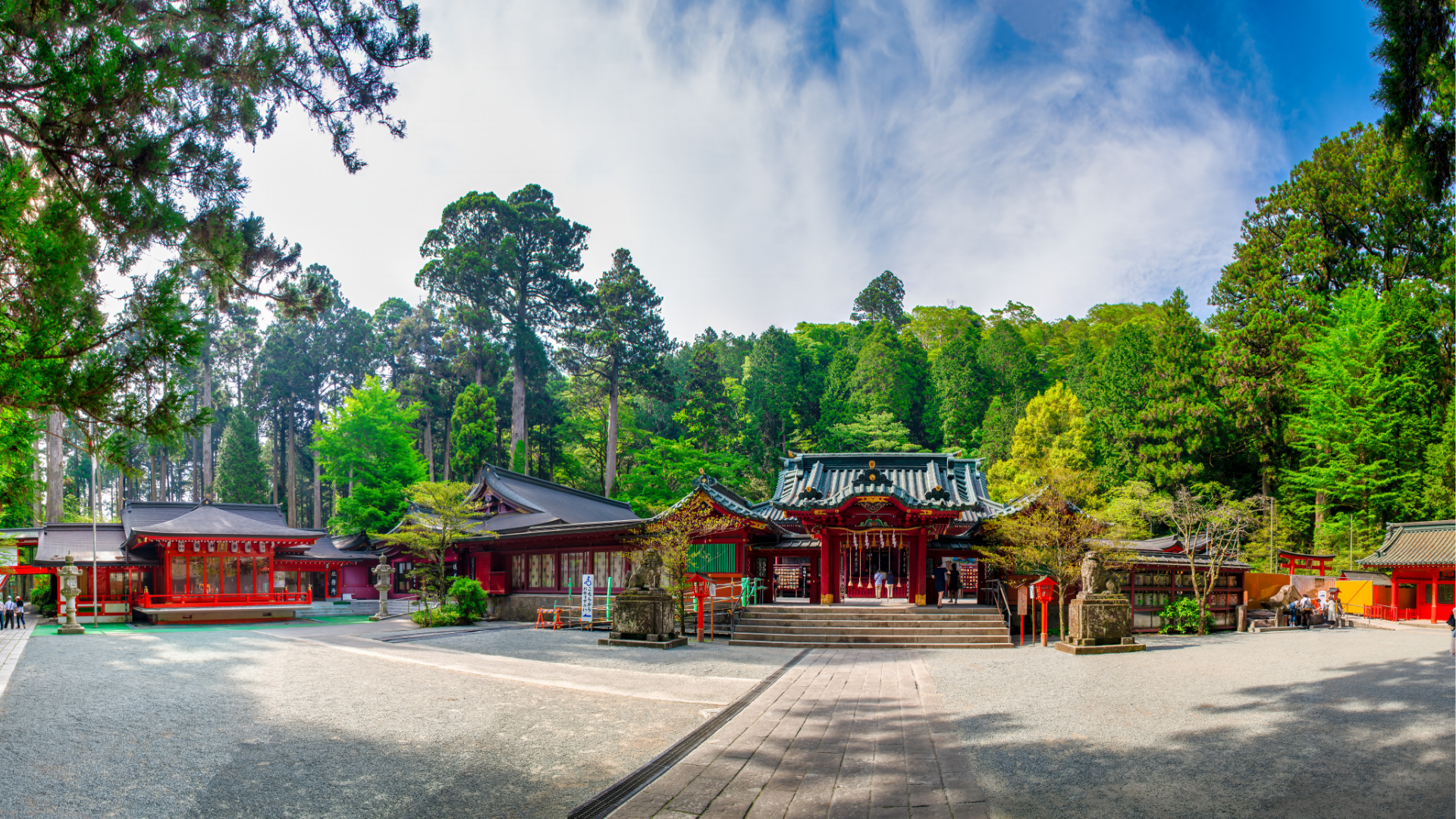
- Afternoon: Continue on the ropeway to Togendai and board the Hakone Sightseeing Cruise across Lake Ashi. Disembark at Moto-Hakone or Hakone-machi to visit Hakone Shrine and the lakeside cedar avenue.
- Evening: Take a Hakone Tozan Bus back to Hakone-Yumoto for a soak in one of the onsen towns, or bus directly to Odawara for your return train.
-
-
Owakudani Hakone: Complete Guide to the Volcanic Valley, Black Eggs & Stunning Views in 2026
What Is Owakudani in Hakone? Owakudani — literally translated as "Great Boiling Valley" — is one of ...
続きを見る
Tips for a Two-Day Visit
If you have a two-day pass, consider staying overnight in Hakone-Yumoto, Gora, or Sengokuhara. Use the second day to visit the Open Air Museum, the Pola Museum of Art, or explore the Sengokuharaススuki grasslands. The unlimited bus access is particularly useful on the second day for reaching attractions that are off the main loop.
Romance Car Surcharge: What You Need to Know
The Hakone Free Pass includes travel on the regular Odakyu express train between Shinjuku and Odawara, but the limited express Romance Car requires an additional surcharge of approximately ¥1,110 each way. The Romance Car cuts travel time to around 85 minutes (compared to about two hours on the regular express) and offers reserved seating with large panoramic windows.
For many visitors, the surcharge is worth the comfort and time savings, especially on the outbound journey when you want to arrive in Hakone with maximum daylight. You can reserve Romance Car seats online via the Odakyu e-Romance Car system or at the ticket counter.
Hakone Free Pass vs. Driving to Hakone
While the Hakone Free Pass is optimized for train and bus travelers, some visitors — particularly car enthusiasts and families with heavy luggage — prefer driving to Hakone from Tokyo. The drive takes approximately 90 minutes via the Tomei Expressway and Odawara-Atsugi Road, but keep in mind that tolls, fuel, and parking fees add up. Parking in popular areas like Hakone-Yumoto and Owakudani can also be limited during peak seasons.
That said, driving offers the freedom to explore at your own pace and reach off-the-beaten-path onsen ryokan that are inconvenient by bus. For those who want the best of both worlds, it is possible to drive to Odawara, park near the station, and purchase the Odawara-departure Hakone Free Pass for ¥5,000 — enjoying the loop route by public transport while your car waits.
-

-
Rent a Car Tokyo to Hakone Onsen: Complete Driving Guide for Visitors
Why Drive from Tokyo to Hakone Onsen? Renting a car gives you door‑to‑door access to hot spring town ...
続きを見る
Frequently Asked Questions About the Hakone Free Pass

Can I use the Hakone Free Pass with a Japan Rail Pass?
The Hakone Free Pass is issued by Odakyu, not JR, so it is not covered by the Japan Rail Pass. However, if you use your JR Pass to take the Shinkansen to Odawara, you can then purchase the cheaper Odawara-departure version of the Hakone Free Pass and still enjoy all the local transportation benefits.
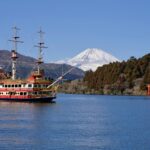
Does the pass work on the Hakone Pirate Ship?
The Hakone Free Pass covers the Hakone Sightseeing Cruise (the standard vessel operated by Hakone Kankosen). The separate "pirate ship" — officially the Hakone Ashinoko Cruise operated by the Seibu Group — is not included. Make sure you board from the correct pier at Togendai to use your pass.
Can I start using the pass mid-day?
Yes. The validity period is based on calendar days, not 24-hour blocks. If you activate your pass at 3:00 PM, that counts as Day 1. For maximum value, start as early in the day as possible.
Is the Hakone Free Pass available for foreign tourists only?
No. The Hakone Free Pass is available to anyone — Japanese residents and international visitors alike. There is no passport requirement at the time of purchase.
What if the ropeway is closed due to volcanic activity?
Owakudani's volcanic alert level occasionally rises, causing temporary closures of the Hakone Ropeway. When this happens, replacement buses typically operate between Sounzan and Togendai, and the Hakone Free Pass remains valid on these substitute services. Check the Hakone Navi website for real-time status updates before your trip.
Best Time to Use the Hakone Free Pass
Hakone is a year-round destination, but each season offers a distinct experience:
- Spring (March–May): Cherry blossoms and hydrangeas along the Tozan Railway line. Comfortable temperatures for outdoor exploration.
- Summer (June–August): Lush greenery and cooler highland temperatures compared to Tokyo. The rainy season in June can bring foggy conditions that obscure Mt. Fuji views.
- Autumn (October–November): Spectacular fall foliage, especially around Lake Ashi and along the ropeway. This is peak season, so expect crowds.
- Winter (December–February): Clear skies often produce the best Mt. Fuji visibility. Fewer tourists, and onsen bathing is particularly rewarding in the cold.
Regardless of season, weekdays are significantly less crowded than weekends and national holidays. If your schedule allows, a Tuesday through Thursday visit will give you shorter lines at every transit point along the loop.
Experience Japan’s Finest JDM Adventures
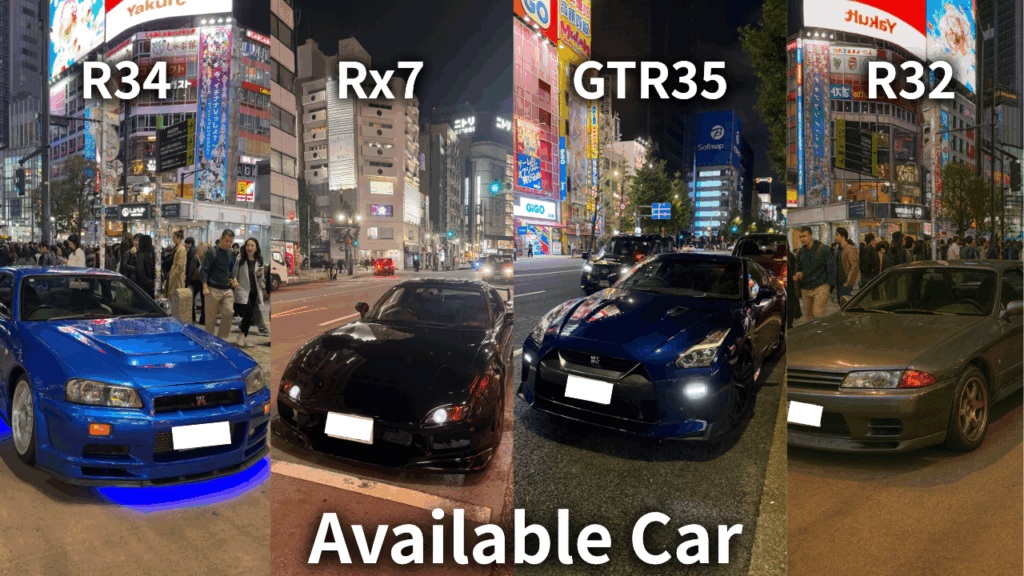
From Daikoku PA tours to JDM sports car rentals and drift experiences, we offer premium driving adventures for visitors who want more than ordinary sightseeing.
Get behind the wheel of iconic machines such as the GT-R, RX-7, and Supra, and experience Japan’s legendary car culture in the most unforgettable way. Whether you want a scenic Tokyo car experience or something more thrilling and immersive, we can guide you to the right plan.
Not sure which experience suits you best? No problem. Message us on WhatsApp and we’ll help you choose the ideal option based on your travel plans, interests, and driving experience.
Popular dates sell out quickly, so we recommend contacting us early.
Customer Reviews
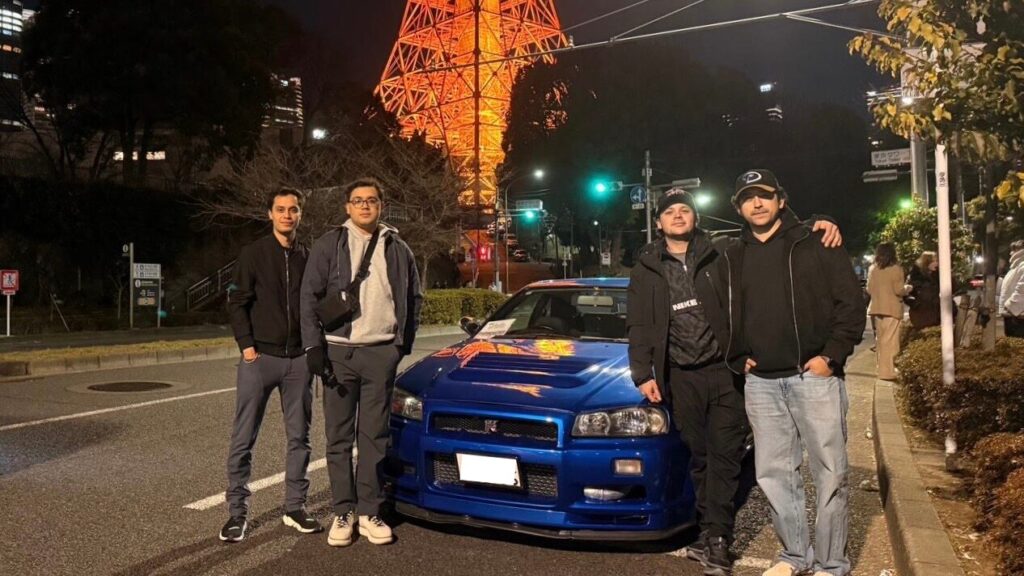
Important Information
- This is a drive tour where you drive your rental car, and our guide navigates from the seat.
- This is a self-drive tour where you drive your rental car, and our guide navigates from the passenger seat.
- The tour begins and ends at the same location (Shibuya).
- If the Daikoku Parking Area is closed, we will instead guide you to another car meet further away.
- The consultant is a cultural expert and navigator, not a taxi service.
