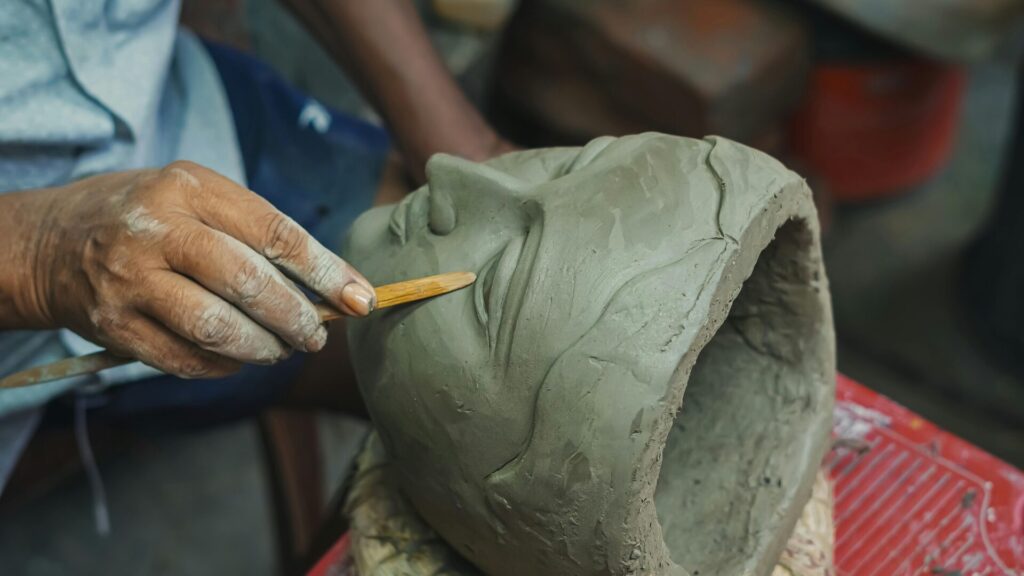
Why Hakone Is One of Japan's Top Museum Destinations
Hakone is best known for its hot springs, volcanic scenery, and views of Mount Fuji — but what many travelers discover upon arrival is that this mountainous resort town is also one of Japan's richest concentrations of world-class museums. Scattered across the verdant hills and valleys of the Hakone area, more than a dozen museums cover everything from classical Japanese ceramics and Impressionist masterpieces to cutting-edge outdoor sculpture.
What makes Hakone museums especially appealing is their integration with the natural environment. Many are architecturally stunning buildings nestled among forests and gardens, making the visit as much about the setting as the art itself. Whether you are spending a single day or an extended weekend in Hakone, allocating time for museums is essential to experiencing the region's full cultural depth.
-

-
Hakone: The Ultimate Travel Guide for 2026 — Hot Springs, Mt. Fuji Views & Scenic Drives
Why Hakone Should Be on Every Japan Traveler's List Hakone is one of the most beloved destinations n ...
続きを見る
Hakone Open-Air Museum (Chōkoku no Mori)
The Hakone Open-Air Museum is the most iconic and visited museum in the region — and arguably one of the most unique art museums in all of Japan. Opened in 1969, it was the country's first open-air art museum. The sprawling 70,000-square-meter grounds display over 120 large-scale sculptures by artists such as Henry Moore, Auguste Rodin, Alexander Calder, and Taro Okamoto, all set against a dramatic mountain backdrop.
Highlights and Must-See Exhibits
- Picasso Pavilion: Houses more than 300 works by Pablo Picasso, including paintings, ceramics, and sculptures. It is one of the most comprehensive Picasso collections in Asia.
- Symphonic Sculpture: A towering stained-glass tower that visitors can climb from the inside, offering kaleidoscopic views at every level.
- Outdoor thermal footbath: A natural hot-spring foot bath where you can soak tired feet while admiring the sculptures around you.
Practical Information for 2026
The museum is a short walk from Chōkoku no Mori Station on the Hakone Tozan Railway. Admission is approximately ¥1,600 for adults. The open-air format means it is best enjoyed in fair weather, though rainy days offer their own moody beauty. Plan at least 90 minutes to two hours for a thorough visit.
-
-
The Hakone Open Air Museum: A Complete Visitor's Guide for 2026
What Is the Hakone Open Air Museum? The Hakone Open Air Museum (箱根彫刻の森美術館, Hakone Chokoku no Mori Bi ...
続きを見る
Hakone Art Museum (Hakone Bijutsukan)
Often confused with the Open-Air Museum, the Hakone Art Museum is a completely separate institution focused on traditional Japanese ceramics and pottery. Established in 1952 by Mokichi Okada, it is the oldest museum in Hakone and is operated by the MOA Museum of Art Foundation.
The permanent collection spans centuries of Japanese ceramic art, from Jōmon period earthenware (over 3,000 years old) to refined Edo-period pieces. However, the museum's greatest draw for many visitors is its extraordinary moss garden and tea ceremony room. The meticulously maintained garden, filled with over 130 varieties of moss, is particularly breathtaking during autumn when surrounding maples blaze in crimson and gold.
Visitor Tips
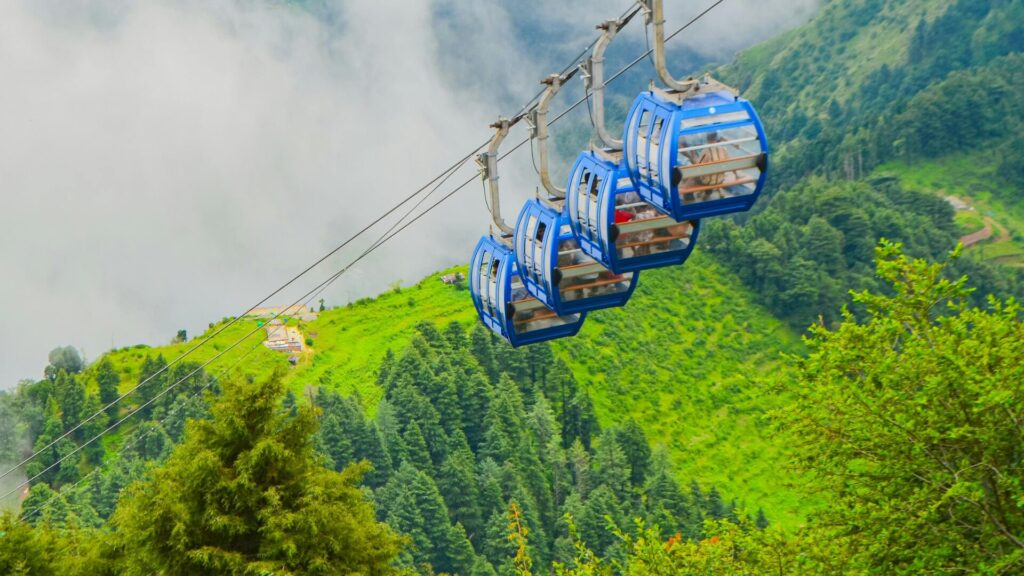
The museum is located in the Gora area and is accessible from Gora Station via the Hakone Tozan Cable Car (alight at Kōen-kami Station). Admission is around ¥900 for adults. Matcha tea can be purchased and enjoyed in the traditional tea house overlooking the moss garden — an experience highly recommended even for those who are not ceramic enthusiasts.
-
-
Hakone Art Museum: A Complete Guide to Japan's Serene Moss Garden and Ceramic Treasures
What Is the Hakone Art Museum? The Hakone Art Museum (箱根美術館) is one of the oldest and most culturall ...
続きを見る

Pola Museum of Art
Nestled within the forest of the Sengoku highlands at an elevation of approximately 650 meters, the Pola Museum of Art is widely considered one of the finest art museums in the Kantō region. The building itself, designed by architect Nikken Sekkei, is a masterpiece of glass and steel that seems to float within the canopy of surrounding beech trees.
Collection Overview
The Pola Museum's collection numbers roughly 10,000 items, with a strong emphasis on Western Impressionism and Post-Impressionism. Major works by Claude Monet, Pierre-Auguste Renoir, Edgar Degas, Paul Cézanne, and Vincent van Gogh anchor the permanent collection. The museum also holds significant pieces of Japanese Western-style painting (yōga), Art Nouveau glassware by Émile Gallé, and a fascinating collection of historical cosmetic items and vanity accessories curated by Pola Orbis Holdings, the cosmetics company that founded the museum.
Why It Stands Out
Beyond the art, the Pola Museum offers a beautifully designed nature trail through the surrounding Hakone forest — a 670-meter-long boardwalk path called the "Forest Promenade" that takes about 20 minutes to walk. The on-site café features floor-to-ceiling windows overlooking the forest, making it an ideal spot for a refined lunch break. Admission is approximately ¥1,800 for adults.
Okada Museum of Art
The Okada Museum of Art, opened in 2013, is one of the newer and largest museums in the Hakone area. It was established by Kazuo Okada, the founder of Universal Entertainment Corporation, to house his extensive private collection of East Asian art.
The museum spans five floors and approximately 5,000 square meters of exhibition space, making it one of the largest private art museums in Japan. The collection covers Japanese, Chinese, and Korean art spanning from antiquity to the modern era, with particular strengths in:
- Japanese Nihonga paintings (including works by Yokoyama Taikan and Uemura Shōen)
- Chinese and Korean ceramics
- Japanese lacquerware and gold-leaf screens
- Buddhist sculpture
On-Site Amenities

The Okada Museum also features a large foot bath with views of the surrounding mountains, a Japanese garden, and a restaurant that serves kaiseki-style cuisine. It is located in the Kowakidani area, accessible by Hakone Tozan Bus. Admission is approximately ¥2,800, making it the most expensive museum in Hakone, but the breadth of the collection and the luxurious facilities justify the price for many visitors.
Lalique Museum Hakone
Dedicated entirely to the works of French jeweler and glassmaker René Lalique, this specialized museum offers an intimate and deeply focused experience. The collection spans Lalique's entire career, from his early Art Nouveau jewelry designs through his later Art Deco glass creations, including vases, perfume bottles, architectural panels, and decorative objects.
A standout feature is the Orient Express salon car, an original 1929 luxury train carriage decorated with Lalique glass panels, which visitors can enter and experience. The museum's garden and café maintain a distinctly French aesthetic that complements the collection. Admission is approximately ¥1,500 for adults, and the museum is located along the road between Gora and Sengokuhara.
Narukawa Art Museum
Positioned on the ridge above Lake Ashi, the Narukawa Art Museum specializes in contemporary Japanese-style painting (Nihonga). What sets this museum apart is its panoramic observation lounge, which offers what many consider the finest unobstructed view of Lake Ashi and Mount Fuji in the entire Hakone area.
The permanent collection features approximately 4,000 works of modern and contemporary Nihonga art. Rotating exhibitions ensure that repeat visitors always encounter new pieces. Admission is approximately ¥1,300, and the museum is easily accessible from the Moto-Hakone area near the Lake Ashi ferry terminals.
Hakone Museum of Photography and Other Smaller Museums
Beyond the major institutions, Hakone hosts a handful of smaller, more specialized museums that are worth visiting if time allows:
- Hakone Venetian Glass Museum (Hakone Garasuno Mori): Features European glass art from the 15th through 19th centuries, displayed in a setting inspired by a Venetian palazzo. The garden includes a crystal-glass tree installation and live music performances.
- Hakone Toy Museum (Hakone Karakuri Museum): A small, charming museum dedicated to traditional Japanese karakuri puzzle boxes, a Hakone regional specialty. Visitors can purchase handmade puzzle boxes and attend workshops.
- The Little Prince Museum: Formerly dedicated to Antoine de Saint-Exupéry's beloved novella, this museum closed permanently in 2023. Travelers should be aware it no longer operates, as some outdated guides still list it.
How to Plan a Hakone Museum Route
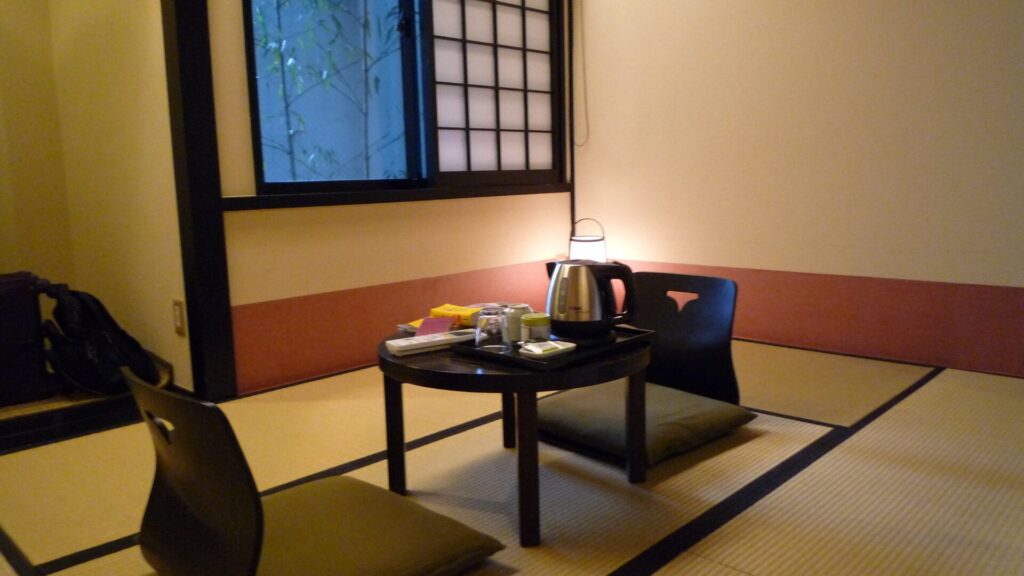
Visiting all of Hakone's museums in a single day is impractical. Most travelers find that two to three museums is a comfortable number for a day trip, or four to five across a two-day stay with an overnight at a local ryokan or hotel.
Recommended One-Day Museum Itinerary
- Morning: Hakone Open-Air Museum (allow two hours)
- Midday: Walk to Hakone Art Museum in Gora for ceramics and the moss garden, then lunch
- Afternoon: Take the Hakone Tozan Bus to the Pola Museum of Art; walk the forest promenade before or after viewing the collection
Getting Around the Museums
The Hakone Free Pass covers most public transportation in the area, including the Hakone Tozan Railway, cable car, and local buses — all of which connect major museum locations. However, some museums such as the Pola Museum and Lalique Museum are more conveniently reached by car, especially during peak tourist seasons when buses can be crowded. Driving your own rental car through Hakone's winding mountain roads gives you the flexibility to stop at museums on your own schedule and combine cultural visits with scenic detours to Owakudani, Lake Ashi, or onsen towns along the way.
-

-
Rent a Car Tokyo to Hakone Onsen: Complete Driving Guide for Visitors
Why Drive from Tokyo to Hakone Onsen? Renting a car gives you door‑to‑door access to hot spring town ...
続きを見る
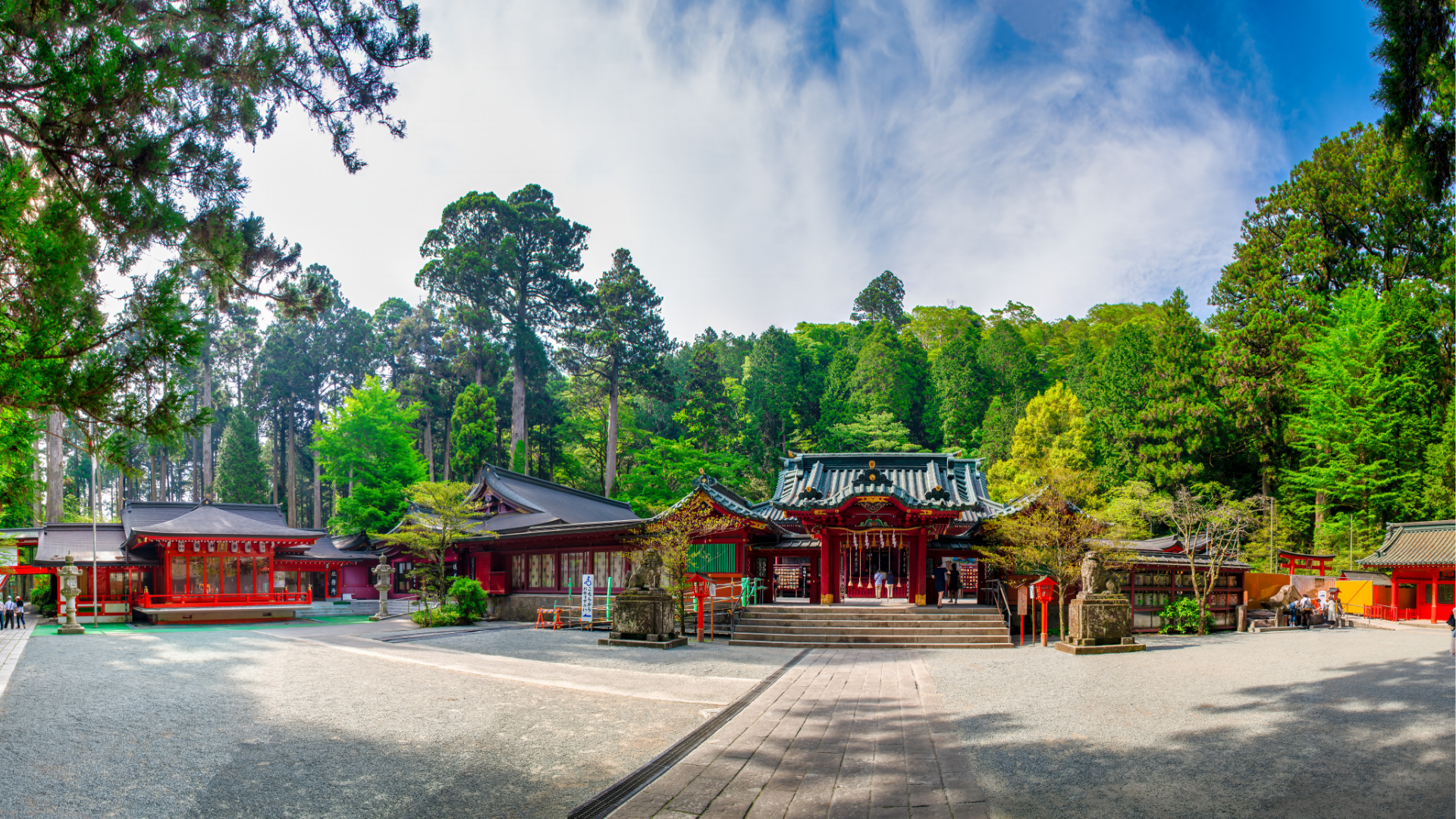
Best Times to Visit Hakone Museums
Hakone museums are open year-round, but the experience varies significantly by season:
- Spring (March–May): Cherry blossoms and fresh greenery make outdoor museums like Chōkoku no Mori and the Pola Museum's forest trail especially photogenic.
- Summer (June–August): Cooler temperatures at higher elevations compared to Tokyo, though June brings rainy season. Indoor museums like Pola and Okada are ideal on wet days.
- Autumn (October–November): Peak season. The Hakone Art Museum's moss garden surrounded by red maples is legendary during this period. Expect larger crowds.
- Winter (December–February): The quietest season with the fewest tourists. Clear winter skies often yield the best Mount Fuji views from the Narukawa Art Museum's observation lounge.
Admission Costs and Money-Saving Tips
Museum admission in Hakone ranges from roughly ¥900 to ¥2,800 per venue. For travelers visiting multiple museums, costs can add up. Here are a few ways to save:
- Hakone Free Pass discounts: Holders of the Hakone Free Pass receive small discounts (typically ¥100–¥200 off) at several museums, including the Open-Air Museum and Venetian Glass Museum.
- Combination tickets: Some museums sell bundled tickets if you plan to visit multiple venues on the same day.
- Weekday visits: No direct cost savings, but weekday visits mean shorter lines and a much more relaxed atmosphere, especially at the Open-Air Museum and Okada Museum.
Always check each museum's official website before your trip for the latest pricing, temporary closures, and special exhibition schedules for 2026.
Making the Most of Hakone's Art and Culture Scene
Hakone's museums are not mere rainy-day alternatives to outdoor sightseeing — they are genuine highlights that define the character of this region. From the monumental outdoor sculptures of Chōkoku no Mori to the intimate elegance of the Lalique Museum, and from ancient Jōmon pottery to Monet's water lilies, the cultural range available within this compact mountain area is remarkable by any global standard. Whether you arrive by train, bus, or car, building your Hakone itinerary around its museums ensures a richer, more layered experience of one of Japan's most rewarding destinations.
Experience Japan’s Finest JDM Adventures
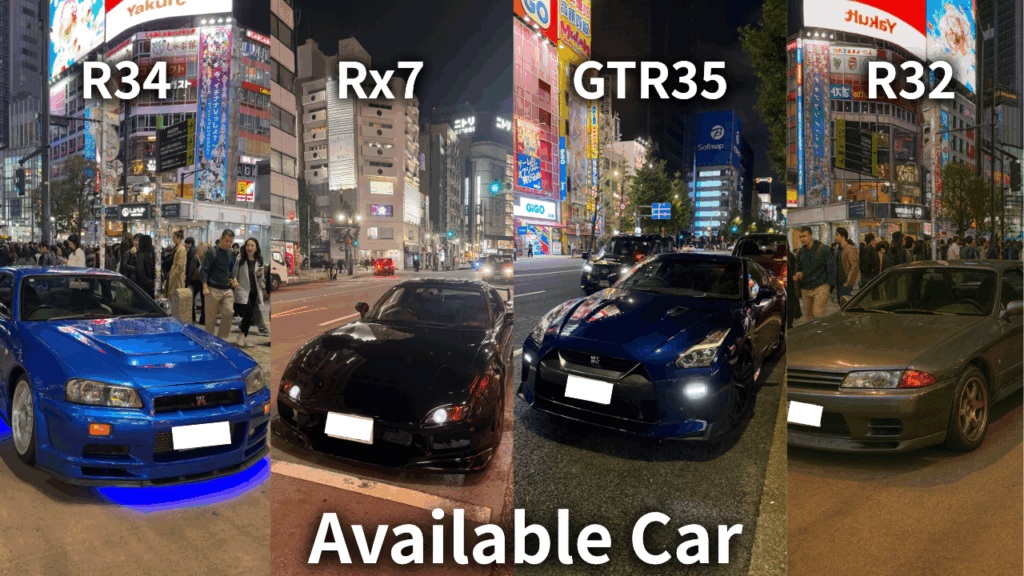
From Daikoku PA tours to JDM sports car rentals and drift experiences, we offer premium driving adventures for visitors who want more than ordinary sightseeing.
Get behind the wheel of iconic machines such as the GT-R, RX-7, and Supra, and experience Japan’s legendary car culture in the most unforgettable way. Whether you want a scenic Tokyo car experience or something more thrilling and immersive, we can guide you to the right plan.
Not sure which experience suits you best? No problem. Message us on WhatsApp and we’ll help you choose the ideal option based on your travel plans, interests, and driving experience.
Popular dates sell out quickly, so we recommend contacting us early.
Customer Reviews
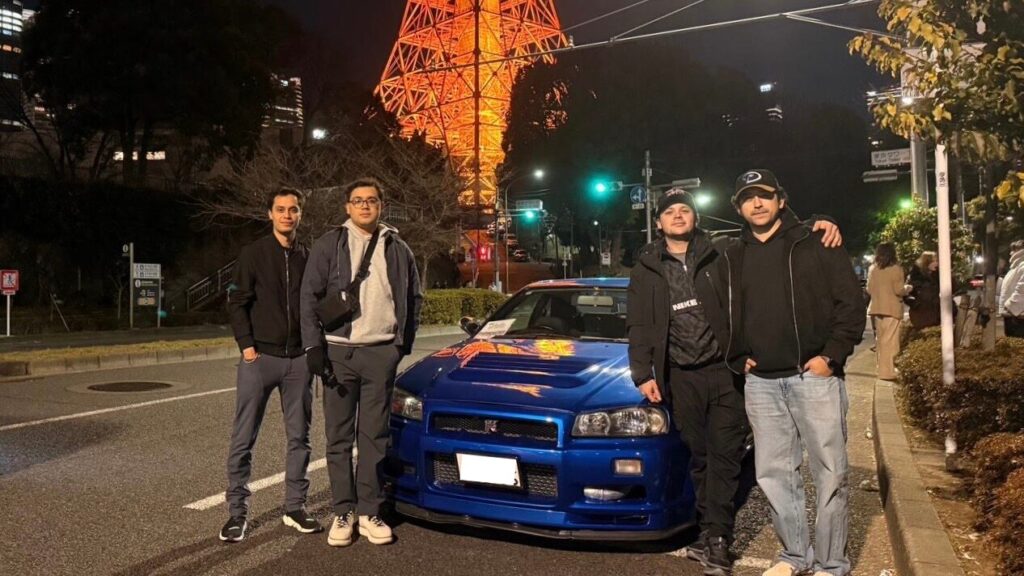
Important Information
- This is a drive tour where you drive your rental car, and our guide navigates from the seat.
- This is a self-drive tour where you drive your rental car, and our guide navigates from the passenger seat.
- The tour begins and ends at the same location (Shibuya).
- If the Daikoku Parking Area is closed, we will instead guide you to another car meet further away.
- The consultant is a cultural expert and navigator, not a taxi service.
