
Why Driving in Hakone Is One of the Best Ways to Explore the Region
Hakone sits roughly 80 kilometers southwest of central Tokyo, nestled within the mountainous terrain of the Fuji-Hakone-Izu National Park. While the area is famously served by the Romancecar train and a network of cable cars, ropeways, and buses, driving in Hakone opens up an entirely different dimension of the experience. You gain the freedom to stop at hidden viewpoints, access remote onsen, explore winding mountain passes on your own schedule, and reach areas that public transport simply does not cover well.
The roads here range from smooth, modern toll highways to narrow, twisting mountain passes that have earned legendary status among car enthusiasts. Whether you are visiting for the hot springs, the Mt. Fuji views, or the thrill of the touge, understanding Hakone's driving environment before you arrive will make the trip far more enjoyable and stress-free.
-

-
Hakone: The Ultimate Travel Guide for 2026 — Hot Springs, Mt. Fuji Views & Scenic Drives
Why Hakone Should Be on Every Japan Traveler's List Hakone is one of the most beloved destinations n ...
続きを見る
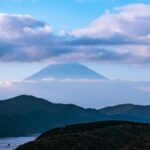
Getting to Hakone by Car from Tokyo
Via the Tomei Expressway
The most common route from central Tokyo is the Tomei Expressway (東名高速道路). From Shibuya or Shinjuku, head south to join the Tomei at the Tōkyō IC or Yoga IC. Follow it southwest to the Atsugi IC or Gotemba IC, depending on which part of Hakone you are targeting. The total drive takes approximately 1.5 to 2 hours without traffic, covering around 90 to 100 kilometers.
If your destination is Hakone Yumoto or Gora, exit at Atsugi IC and take the Odawara-Atsugi Road (小田原厚木道路) south toward Odawara, then follow Route 1 up into Hakone. For the western side of Hakone — Owakudani, Lake Ashi's western shore, or the Hakone Turnpike — exiting at Gotemba IC and approaching via the Otome Touge pass is a scenic alternative.
Via the Shin-Tomei and Hakone Shindo
The newer Shin-Tomei Expressway runs parallel to the Tomei and is often less congested. You can connect to the Hakone Shindo toll road from the Gotemba area. This newer bypass road offers a faster, less winding approach to the Sengoku area near the northern shore of Lake Ashi.
Toll Costs
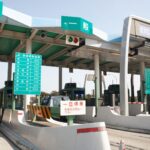
Expect to pay between ¥2,500 and ¥4,000 in highway tolls each way from central Tokyo, depending on your exact route and whether you use the Odawara-Atsugi Road. An ETC card (electronic toll collection) is strongly recommended as many toll gates in this area are ETC-only during peak hours, and ETC cards also provide discounts of up to 30% on certain routes.
Key Driving Roads and Routes in Hakone

Hakone Turnpike (Anest Iwata Turnpike)
The Hakone Turnpike is arguably the most celebrated driving road in the region. This 15.8-kilometer toll road climbs from Odawara at sea level to over 1,000 meters in elevation, offering sweeping views of Sagami Bay and, on clear days, Mt. Fuji. The road features well-maintained asphalt, generous run-off areas, and a series of exhilarating switchbacks that make it a favorite among sports car owners and motorcycle riders. The toll is approximately ¥730 for standard vehicles. While the Turnpike is a public toll road, it is also occasionally used for hillclimb events and driving experiences.
-
-
Hakone Turnpike: Japan's Most Scenic Toll Road for Driving Enthusiasts in 2026
What Is the Hakone Turnpike? The Hakone Turnpike (箱根ターンパイク), officially known as the TOYO TIRES Turn ...
続きを見る
Route 1 (Old Tōkaidō Road Section)
National Route 1 through Hakone follows sections of the historic Tōkaidō highway that connected Edo (Tokyo) to Kyoto during the feudal era. The road climbs steeply from Hakone Yumoto through Miyanoshita and up to Gora, with tight hairpin turns and occasionally narrow sections. This is the most direct route to the popular sightseeing areas but can become severely congested during weekends and national holidays.
Route 138 and the Otome Touge
Approaching from Gotemba, Route 138 crosses the Otome Touge pass before descending into Sengoku. On clear mornings, the Otome Touge offers one of the most photogenic Mt. Fuji views accessible by car. The road is well-paved and moderately winding, suitable for all skill levels.
Hakone Skyline and Ashinoko Skyline
For those seeking a more immersive mountain driving experience, the Hakone Skyline (¥600 toll) and Ashinoko Skyline (¥600 toll) run along the ridgeline above Lake Ashi. These narrow, winding toll roads offer dramatic panoramic views but require careful driving, especially in fog or rain. They connect to the Hakone Turnpike, making it possible to string together a continuous driving loop through the mountains.
Route 75 (Hakone Shindo)
The Hakone Shindo is a newer bypass road that runs from the Gotemba area toward Sengoku. It avoids much of the congestion found on Route 1 and is a smoother, faster alternative for reaching the northern side of Hakone. There is a toll of around ¥260.
Driving Conditions and What to Expect
Road Surface and Width
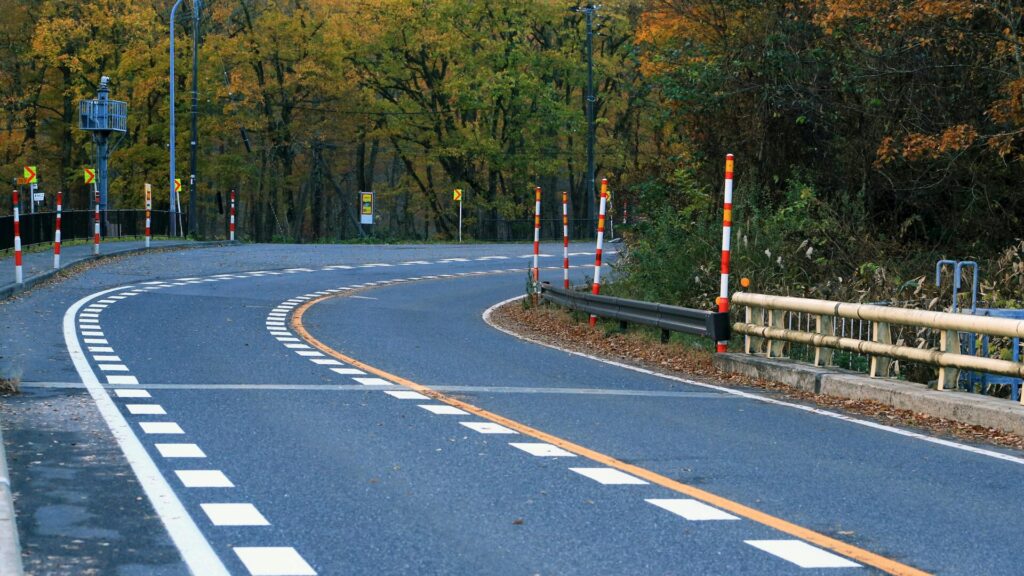
Main routes through Hakone are generally well-maintained, with smooth asphalt and clear signage in both Japanese and English. However, secondary roads — particularly those leading to smaller onsen ryokan or hiking trailheads — can be extremely narrow, sometimes only wide enough for a single vehicle. In these areas, passing bays are marked, and the convention is for the downhill driver to yield to the uphill driver.
Elevation and Weather
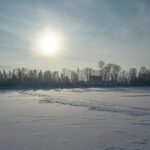
Hakone's roads climb from near sea level at Odawara to over 1,000 meters at Owakudani and the ridgeline. This dramatic elevation change means weather conditions can shift rapidly. Fog is common, particularly around Owakudani and along the skyline roads, and can reduce visibility to under 50 meters. In winter (December through March), ice and occasional snow are real concerns at higher elevations. Snow tires or chains may be required, and the Hakone Skyline and Ashinoko Skyline sometimes close entirely during severe winter weather.
-
-
Hakone in Winter 2026: A Complete Guide to Hot Springs, Snow Views & Seasonal Magic
Why Visit Hakone in Winter? Hakone in winter is one of Japan's most enchanting seasonal experiences. ...
続きを見る
Traffic Congestion
Traffic is the single biggest challenge of driving in Hakone. On weekends, national holidays, and during peak seasons (Golden Week in late April/early May, autumn foliage in November, and cherry blossom season in early April), Route 1 can back up for kilometers. The stretch between Odawara and Hakone Yumoto is notorious for gridlock. To avoid the worst of it, depart Tokyo before 7:00 AM or after 2:00 PM, and consider using the Hakone Turnpike or Route 138 via Gotemba as alternative approaches.
Parking in Hakone
Parking availability varies significantly by location. Major attractions like the Hakone Open-Air Museum, Owakudani, and the Lake Ashi boat piers have dedicated parking lots, typically charging ¥500 to ¥1,000. During peak periods, these lots fill up quickly — arriving before 10:00 AM is advisable.
In Hakone Yumoto, street parking is virtually nonexistent. Public lots near the station charge around ¥500 per hour. If you are staying at a ryokan or hotel, most accommodations provide free parking for guests, though spaces are limited at smaller establishments and you should confirm in advance.
For the Hakone Turnpike and skyline roads, there are several pull-off areas and small parking lots at scenic viewpoints. These are free but limited in capacity.
Practical Tips for Driving in Hakone in 2026
Navigation
Google Maps works reliably throughout Hakone, including on mountain roads. However, cell signal can be spotty in deep valleys and tunnels. Download offline maps before departing Tokyo. Car navigation systems (called "car navi" in Japan) that come with rental cars are also accurate and provide real-time traffic updates, which are invaluable for avoiding congestion.
Fuel Stations
Gas stations exist in Hakone Yumoto, Sengoku, and along Route 138 near Gotemba, but there are no stations along the skyline roads or on the Hakone Turnpike itself. Fill up before heading into the mountains, especially if you are driving a fuel-hungry sports car.
Speed Limits and Enforcement
Speed limits on Hakone's mountain roads are typically 30 to 40 km/h on narrow sections and 50 to 60 km/h on wider roads. The Hakone Turnpike has a general limit of 40 km/h in most sections due to the steep gradients and sharp curves. Speed cameras are present on the Tomei and Shin-Tomei expressways, and police patrol the Hakone area regularly, particularly on weekends when sporty driving increases.
International Driving Permit
Foreign visitors driving in Japan must carry a valid International Driving Permit (IDP) based on the 1949 Geneva Convention, along with their original domestic license. Permits based on the 1968 Vienna Convention (common in many European countries) are not valid in Japan. Certain countries — Switzerland, Germany, France, Belgium, Slovenia, Monaco, and Taiwan — have separate bilateral agreements allowing their licenses to be used with an official Japanese translation.
Driving on the Left
Japan drives on the left side of the road. For visitors accustomed to right-hand traffic, the winding mountain roads of Hakone demand extra attention. Tight corners on narrow roads require particular care to stay on the correct side, especially when there is no center divider.
Best Scenic Drives and Recommended Itineraries
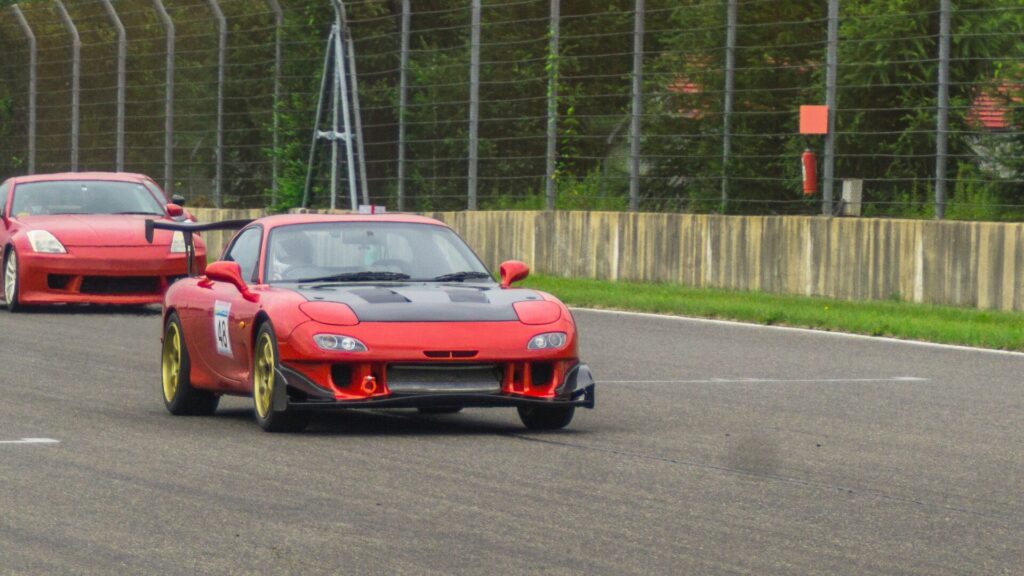
The Hakone Loop Drive
A popular circuit begins in Odawara, climbs the Hakone Turnpike to the ridgeline, connects to the Ashinoko Skyline, descends to the western shore of Lake Ashi, then continues through Sengoku and down Route 1 back toward Hakone Yumoto. This loop covers approximately 60 kilometers and takes 2 to 3 hours of pure driving time — more with stops at viewpoints, Owakudani, and lakeside attractions.
-
-
The Ultimate Hakone Drive in 2026: Best Routes, Scenic Roads & Driving Tips
Why Hakone Is the Ultimate Driving Destination Near Tokyo Hakone sits roughly 80 kilometers southwes ...
続きを見る
Gotemba to Lake Ashi via Otome Touge
This route is ideal for a morning drive when Mt. Fuji is most likely to be visible. Depart Gotemba early, cross the Otome Touge for a Fuji photo stop, descend into Sengoku, and continue to Hakone Shrine and Lake Ashi. The drive is about 25 kilometers but rich in scenery.
Hakone to Izu Peninsula Extension
Drivers with more time can continue south from Hakone toward the Izu Peninsula, passing through Atami and along the dramatic coastal roads of eastern Izu. This extension adds another 1 to 2 hours of driving but rewards with ocean vistas and access to some of Japan's finest coastal onsen towns.
Driving in Hakone Versus Public Transport
The Hakone Free Pass covers trains, buses, cable cars, ropeways, and the pirate ship cruise, making it an excellent value for sightseers who want to follow the standard Hakone loop by public transport. However, driving provides advantages that public transport cannot match. You can visit the Hakone Turnpike and skyline roads, which have no public transport access. You can reach remote onsen and ryokan without waiting for infrequent buses. You set your own schedule, avoiding the crowds that cluster around bus and train timetables. And for car enthusiasts, the driving itself is a significant part of the Hakone experience.
The main drawbacks of driving are traffic congestion during peak periods and the challenge of parking at popular attractions. A reasonable compromise is to drive to Hakone on a weekday, park at your accommodation, and use public transport for the main sightseeing loop, reserving the car for the skyline roads and less accessible areas.
Renting a Car for a Hakone Drive
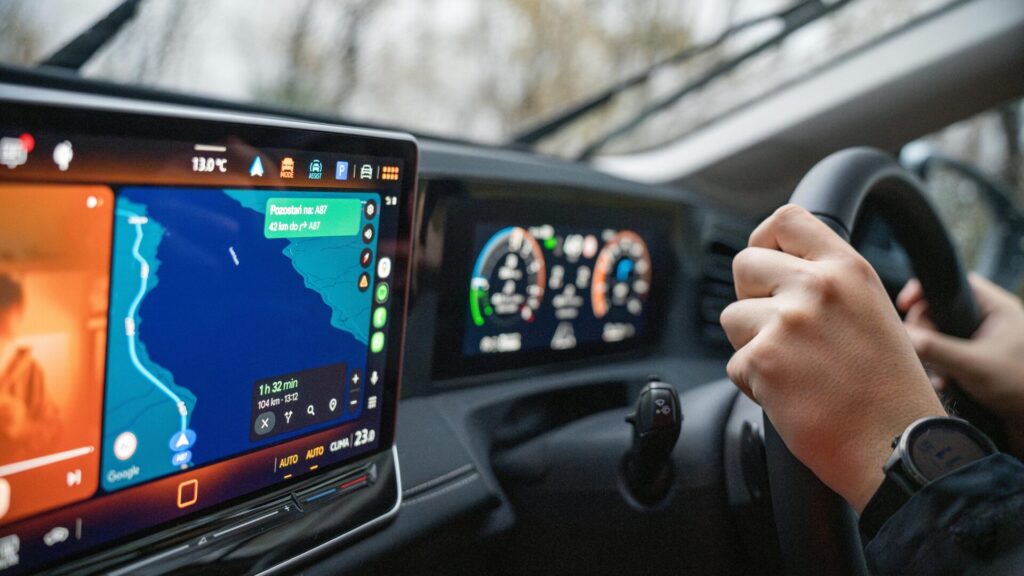
Standard rental car agencies have branches in Odawara and Gotemba, as well as throughout Tokyo. If your Hakone trip is part of a broader driving itinerary — perhaps combining Hakone with Fuji Speedway, the Izu Peninsula, or Kawaguchiko — renting from a Tokyo location and returning to the same branch is the most convenient option. For those particularly interested in experiencing Hakone's touge roads in a memorable vehicle, JDM sports car rentals from Tokyo offer an option to tackle these mountain passes in something like a Nissan GT-R or Toyota Supra.
-
-
Hakone Car Rental in 2026: The Complete Guide to Driving in Hakone
Why Renting a Car Is the Best Way to Explore Hakone Hakone is one of Japan's most beloved mountain r ...
続きを見る

Safety Considerations for Mountain Driving
Mountain driving in Hakone is enjoyable but demands respect for the terrain. Keep the following in mind:
- Use engine braking on descents. The long, steep downhill sections (particularly on the Hakone Turnpike and Route 1) can overheat brakes if you rely on the brake pedal alone. Downshift to a lower gear to maintain speed control.
- Watch for motorcycles and cyclists. Hakone is a popular destination for two-wheeled riders who may appear suddenly around blind corners.
- Be cautious in tunnels. Several tunnels on Hakone's roads are unlit or dimly lit, and the transition from bright sunlight to darkness can be momentarily disorienting.
- Volcanic activity. Owakudani is an active volcanic zone. Occasionally, elevated gas levels cause road closures in the area. Check current conditions on the Hakone Town official website before driving through.
- Wildlife. Deer and wild boar are occasionally seen crossing roads at dawn and dusk, particularly on the quieter skyline roads.
Best Times of Year for Driving in Hakone
Each season offers a distinct driving experience in Hakone:
- Spring (April–May): Cherry blossoms line sections of Route 1 and the lakeshore roads. Weather is mild but Golden Week brings extreme congestion.
- Summer (June–August): Lush green mountains and cooler temperatures at elevation make it a refreshing escape from Tokyo's heat. Rainy season (tsuyu) in June brings heavy fog and rain.
- Autumn (October–November): Spectacular foliage along the Turnpike and skyline roads. November weekends see the heaviest traffic of the year.
- Winter (December–March): Clear skies mean the best Mt. Fuji visibility. Roads can be icy at higher elevations, and some toll roads may close. Weekday winter drives are among the quietest and most rewarding.
For the optimal balance of scenery, mild weather, and manageable traffic, weekdays in mid-April, late May, or mid-October are ideal for driving in Hakone.
Experience Japan’s Finest JDM Adventures
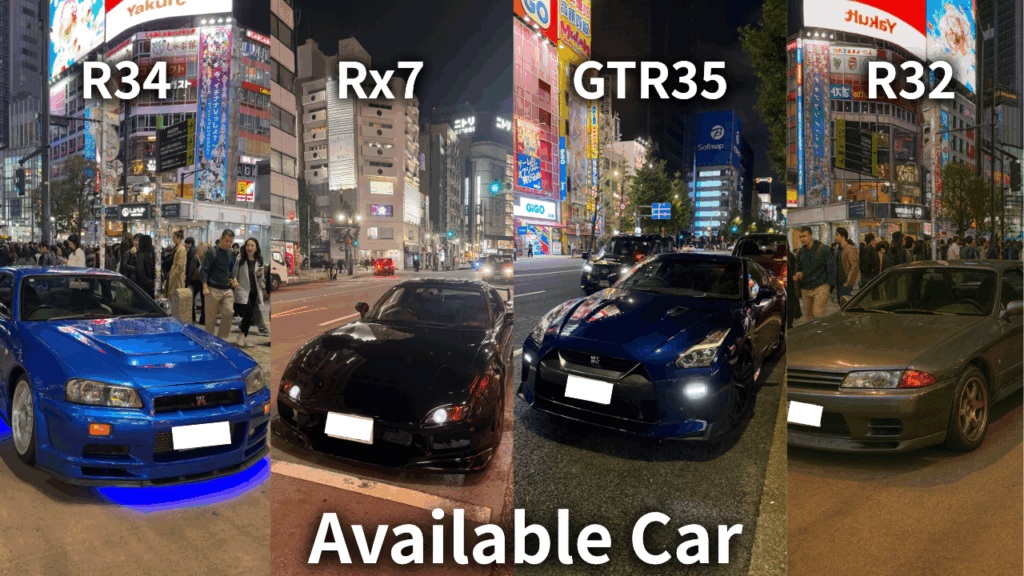
From Daikoku PA tours to JDM sports car rentals and drift experiences, we offer premium driving adventures for visitors who want more than ordinary sightseeing.
Get behind the wheel of iconic machines such as the GT-R, RX-7, and Supra, and experience Japan’s legendary car culture in the most unforgettable way. Whether you want a scenic Tokyo car experience or something more thrilling and immersive, we can guide you to the right plan.
Not sure which experience suits you best? No problem. Message us on WhatsApp and we’ll help you choose the ideal option based on your travel plans, interests, and driving experience.
Popular dates sell out quickly, so we recommend contacting us early.
Customer Reviews
Important Information
- This is a drive tour where you drive your rental car, and our guide navigates from the seat.
- This is a self-drive tour where you drive your rental car, and our guide navigates from the passenger seat.
- The tour begins and ends at the same location (Shibuya).
- If the Daikoku Parking Area is closed, we will instead guide you to another car meet further away.
- The consultant is a cultural expert and navigator, not a taxi service.
