
What Is the Hakone Turnpike?
The Hakone Turnpike (箱根ターンパイク), officially known as the TOYO TIRES Turnpike since its naming-rights sponsorship deal, is a privately owned toll road that winds through the mountainous terrain between Odawara and Hakone in Kanagawa Prefecture. Stretching approximately 15.8 kilometers, this road climbs from near sea level to over 1,000 meters in elevation, delivering breathtaking panoramic views of Sagami Bay, the Pacific coastline, and — on clear days — the majestic silhouette of Mount Fuji.
Unlike many of Japan's public mountain roads, the Hakone Turnpike was designed with driving pleasure in mind. Its sweeping curves, generous lane width, well-maintained asphalt, and dramatic elevation changes have made it a legendary destination for car enthusiasts, motorcycle riders, and anyone who appreciates the art of a mountain drive. It is one of the most iconic driving roads in the Greater Tokyo region and a highlight of any trip to the Hakone area.
-

-
Hakone: The Ultimate Travel Guide for 2026 — Hot Springs, Mt. Fuji Views & Scenic Drives
Why Hakone Should Be on Every Japan Traveler's List Hakone is one of the most beloved destinations n ...
続きを見る
Route Overview and Key Sections
The Hakone Turnpike runs between two toll gates: the Odawara entrance at the eastern base and the Hakone-Kojiri exit near Lake Ashi at the western summit. The road is divided into two main sections that offer distinct driving experiences.
Odawara–Daikansen Section
The lower section begins at the Odawara toll gate, located just off the Seisho Bypass near Hayakawa. From here, the road begins a steady ascent through dense forest. The gradient is moderate, and the corners open up gradually. This section is approximately 7.6 kilometers long and features a series of medium-speed sweepers that build momentum as you climb. The road surface is consistently smooth, and guardrails are well-placed, giving drivers confidence to enjoy the rhythm of the curves.
Daikansen–Hakone-Kojiri Section
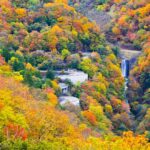
The upper section extends about 8.2 kilometers from the Daikansen parking area to the Hakone-Kojiri toll gate. This portion delivers the real visual payoff. As you rise above the treeline, the terrain opens up with panoramic views of the surrounding mountains and, weather permitting, a stunning Mt. Fuji vista. The curves become tighter in places, and the elevation gain is more pronounced. Near the summit, the road passes through a landscape that shifts dramatically with the seasons — lush green in summer, fiery red and gold in autumn, and occasionally dusted with snow in winter.
Toll Fees and Operating Hours
The Hakone Turnpike is a toll road, and fees vary by vehicle type. As of 2026, standard passenger vehicles pay approximately ¥730 for the full route (Odawara to Hakone-Kojiri). Motorcycles are charged around ¥520. Larger vehicles such as microbuses and trucks pay higher fees. Payment is accepted in cash and by ETC (Electronic Toll Collection), so having an ETC card installed in your vehicle saves time at the gates.
The road is open 24 hours a day, 365 days a year under normal conditions. However, the turnpike may close temporarily during heavy rain, typhoons, snowfall, or foggy conditions that reduce visibility below safe levels. It is always advisable to check the official Hakone Turnpike website or road information services before departing, especially during the winter months or typhoon season (typically August through October).
How to Get to the Hakone Turnpike from Tokyo by Car
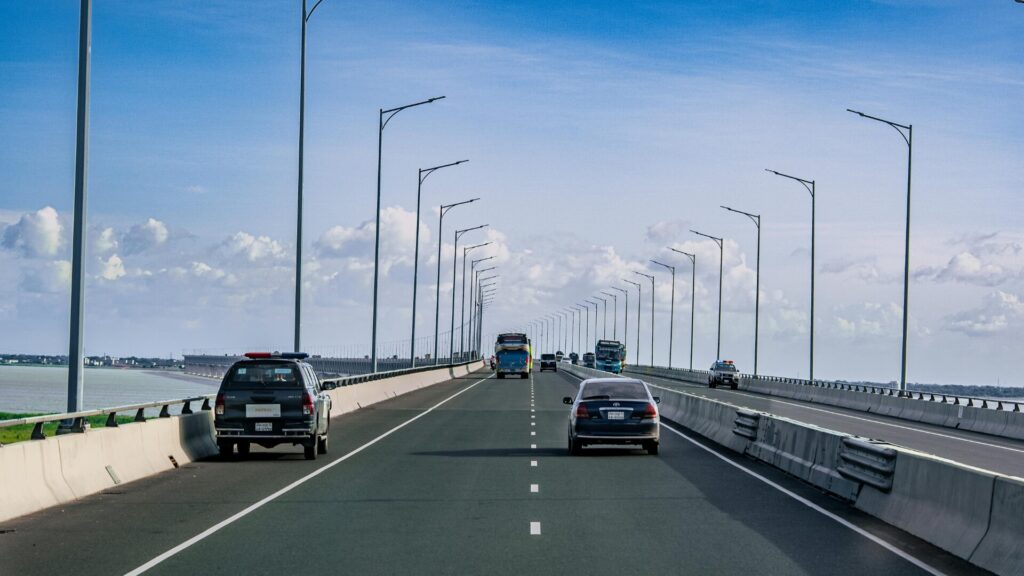
The most common route from central Tokyo involves taking the Tomei Expressway westbound to the Odawara-Atsugi Road, then exiting near Odawara to reach the eastern toll gate. The total driving distance is roughly 80 to 90 kilometers, and the journey takes approximately 1.5 to 2 hours depending on traffic conditions.
Here is a typical route breakdown:
- Step 1: From central Tokyo, enter the Tomei Expressway (東名高速道路) heading toward Nagoya/Odawara.
- Step 2: Exit at the Odawara-Nishi IC (小田原西IC) or take the Odawara-Atsugi Road to Odawara.
- Step 3: Follow Route 135 south briefly, then look for signs directing you to the Hakone Turnpike Odawara entrance.
- Step 4: After driving the turnpike, you emerge near Lake Ashi and can continue exploring Hakone's many attractions.
Weekend mornings — particularly Saturday and Sunday before 10:00 AM — tend to attract the most enthusiast traffic. To avoid congestion on the Tomei Expressway, consider departing Tokyo before 7:00 AM, especially during Golden Week, Obon, and autumn leaf-viewing season.
-

-
Rent a Car Tokyo to Hakone Onsen: Complete Driving Guide for Visitors
Why Drive from Tokyo to Hakone Onsen? Renting a car gives you door‑to‑door access to hot spring town ...
続きを見る
Why Car Enthusiasts Love the Hakone Turnpike
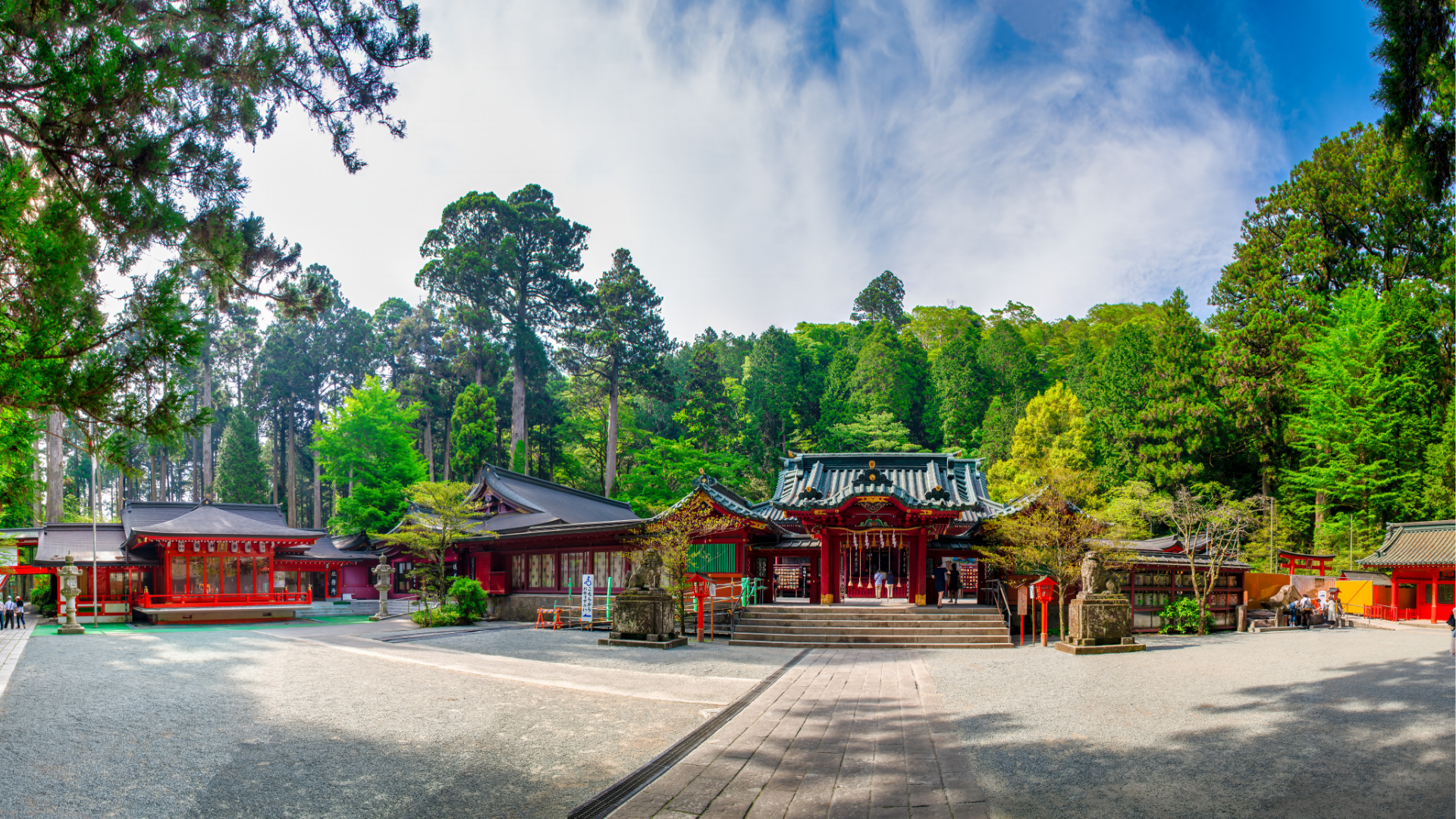
The Hakone Turnpike occupies a special place in Japanese car culture. It regularly appears in automotive magazines, YouTube driving videos, and car meet discussions. Several factors contribute to its legendary status among enthusiasts.
Road Quality and Design
Because it is a privately maintained toll road, the surface quality is significantly better than many public mountain passes in Japan. The asphalt is repaved regularly, drainage is excellent, and lane markings are crisp. The road was engineered for comfortable two-lane driving with adequate shoulders, making it safer and more enjoyable than narrow touge roads where oncoming traffic poses a constant risk.
The Views
Few roads in the Kanto region offer the combination of elevation gain and scenic reward that the Hakone Turnpike provides. On a clear morning, the view of Sagami Bay from the upper section is spectacular, and spotting Mount Fuji rising above the ridgeline is an unforgettable moment — especially in the cooler months when air clarity is at its best.
Seasonal Driving Experiences
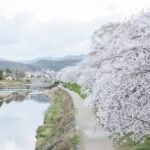
Each season transforms the turnpike into a different experience. Spring brings cherry blossoms to the lower slopes, while summer offers lush green canopy drives. Autumn is arguably the most popular season, when the mountain foliage erupts in shades of crimson and amber, creating a tunnel of color. Winter driving, while colder, rewards visitors with the clearest Mt. Fuji views and noticeably less traffic.
Car Spotting Culture
The Daikansen parking area, located roughly at the midpoint of the route, serves as an informal gathering spot for car enthusiasts on weekends. It is not uncommon to see Nissan GT-Rs, Toyota Supras, Mazda RX-7s, Porsche 911s, and exotic supercars parked alongside each other. The atmosphere is casual and welcoming — drivers park, admire each other's cars, take photos, and share stories before continuing their drives.
Daikansen Parking Area: The Turnpike's Social Hub
The Daikansen parking area (大観山パーキング) sits at an elevation of approximately 1,011 meters and serves as the primary rest stop along the Hakone Turnpike. It features restrooms, a small café, vending machines, and an observation deck with what many consider one of the finest views of Mount Fuji and Lake Ashi in the entire Hakone region.
For car enthusiasts, Daikansen is more than a rest stop — it is a destination in itself. The parking lot fills with an impressive variety of vehicles on weekend mornings, particularly between 7:00 AM and 11:00 AM. While this is not an organized car meet in the traditional sense, the spontaneous gatherings have become a beloved part of the Hakone driving experience. Photography enthusiasts will find the combination of iconic Japanese cars against the backdrop of Mt. Fuji to be irresistible.
Nearby Attractions After Driving the Turnpike
One of the great advantages of the Hakone Turnpike is that it deposits you directly into one of Japan's most popular tourist regions. After completing your drive, a wealth of attractions awaits within minutes.
- Lake Ashi (Ashinoko): Take a sightseeing cruise on the famous pirate ship replicas, or simply stroll the lakeshore and enjoy the views of the torii gate standing in the water.
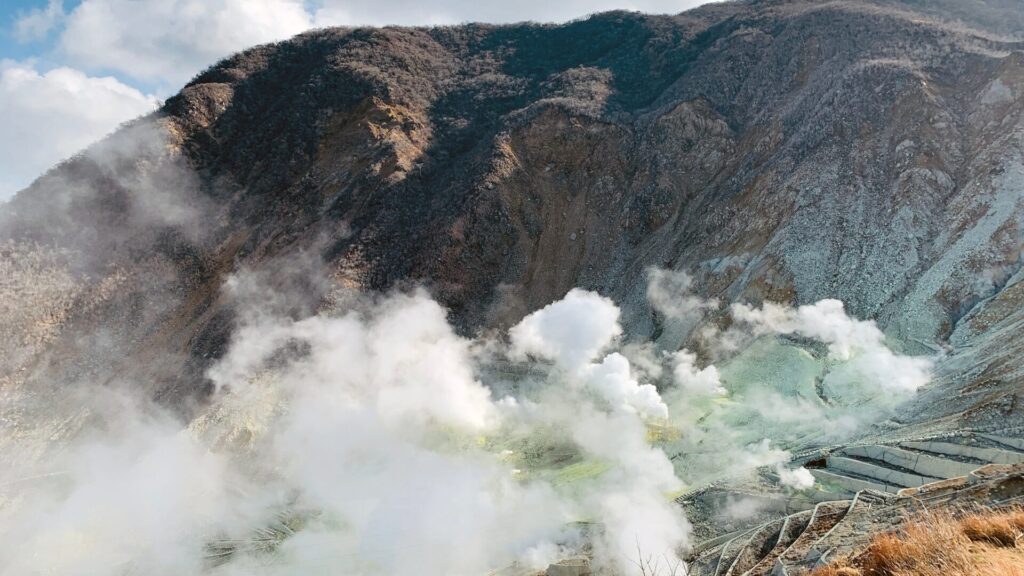
- Owakudani: Ride the Hakone Ropeway to this volcanic valley where sulfurous steam vents create an otherworldly landscape. The famous black eggs, boiled in the naturally hot springs, are said to add seven years to your life.
- Hakone Open-Air Museum: An impressive outdoor sculpture park set against a mountainous backdrop, featuring works by Picasso, Henry Moore, and other major artists.
- Hakone Onsen: The region is renowned for its hot spring resorts. After an exhilarating drive, soaking in a natural onsen is the perfect way to unwind.
- Fuji Speedway: Located roughly 40 minutes north of the turnpike's summit, this legendary racing circuit is a natural continuation for motorsport fans.
-
-
Hakone's Recommended Tourist Spots in 2026: A Complete Guide Covering Must-See Attractions, Hot Springs, and Hidden Gems
Why Hakone Is One of Japan's Most Rewarding Day Trips Nestled in the volcanic mountains of Kanagawa ...
続きを見る
-
-
Fuji Speedway: The Complete 2026 Guide to Japan's Legendary Racing Circuit
What Is Fuji Speedway? Fuji Speedway is one of Japan's most iconic motorsport circuits, located at t ...
続きを見る

Hakone Turnpike vs. Other Famous Driving Roads in Japan
Japan is blessed with an abundance of exceptional mountain driving roads, and the Hakone Turnpike frequently comes up in comparison with other iconic routes. Here is how it stacks up against some of the most well-known alternatives.
Hakone Turnpike vs. Hakone Old Touge (Route 1 Old Road)
The old Hakone Highway (旧東海道) that climbs through the mountains via tight hairpins is narrower, steeper, and far more technical than the turnpike. While the old touge offers a more raw, white-knuckle experience, the turnpike provides better road surface quality, wider lanes, and superior scenery. Many enthusiasts choose to drive both routes in a single day for a varied experience.
Hakone Turnpike vs. Irohazaka (Nikko)
Irohazaka near Nikko is famous for its 48 consecutive hairpin turns and its connection to Initial D lore. While Irohazaka offers an intensely technical challenge, the Hakone Turnpike provides a more flowing, high-speed experience with better views. The two roads appeal to slightly different driving styles.
-
-
Irohazaka Winding Road: Japan's Most Legendary Touge Drive in Nikko
What Is the Irohazaka Winding Road? The Irohazaka winding road is one of the most iconic mountain pa ...
続きを見る
Hakone Turnpike vs. Mount Haruna / Mount Akagi
The touge roads of Gunma Prefecture — Mount Haruna and Mount Akagi — are legendary thanks to Initial D. These are narrow, winding public roads with a very different character from the turnpike. They offer a more authentic touge experience but lack the sweeping views and maintained surface of the Hakone Turnpike. For driving tourists visiting from overseas, the turnpike is generally the safer and more accessible choice, while the Gunma mountain passes reward those seeking a deeper dive into Japan's touge culture.
Tips for Driving the Hakone Turnpike in 2026
Whether you are a first-time visitor or a returning enthusiast, these practical tips will help you make the most of your Hakone Turnpike drive.
- Go early: Arrive at the Odawara gate by 7:00–8:00 AM for the best combination of light traffic, clear skies, and the chance to see Mount Fuji before afternoon clouds roll in.
- Check weather forecasts: Mountain weather is unpredictable. A perfectly clear morning in Tokyo can coincide with fog or rain in the Hakone mountains. Real-time webcams at Daikansen are available online.
- Bring an ETC card: Speeds up toll payment significantly and is essential for navigating Japan's expressway system efficiently.
- Respect speed limits: The turnpike is not a racetrack. Speed limits are enforced, and reckless driving puts other motorists at risk. Enjoy the drive responsibly.
- Plan a loop: Combine the turnpike with the Ashinoko Skyline or Hakone Skyline toll roads for an extended mountain driving loop that maximizes your time in the mountains.
- Fuel up beforehand: There are no gas stations on the turnpike itself. Fill up in Odawara or before entering the expressway from Tokyo.
Combining the Hakone Turnpike with a Broader Hakone Road Trip
The Hakone Turnpike works beautifully as the opening act of a full-day or overnight Hakone road trip. A well-planned itinerary might begin with an early morning turnpike run, followed by a stop at Daikansen for coffee and car spotting, then a descent to Lake Ashi for a sightseeing cruise. From there, you can drive to Owakudani via the volcanic mountain roads, visit the Open-Air Museum in the afternoon, and finish the day by soaking in a private onsen at one of Hakone's renowned ryokan. Driving through the Hakone region in your own car — or a JDM rental — gives you the freedom to set your own pace and access areas that are difficult to reach by public transport alone.
For those with more time, extending the trip to include the nearby Izu Peninsula or a detour to Fuji Speedway transforms a Hakone visit into an epic multi-day driving adventure through some of Japan's most beautiful and culturally rich landscapes.
Experience Japan’s Finest JDM Adventures
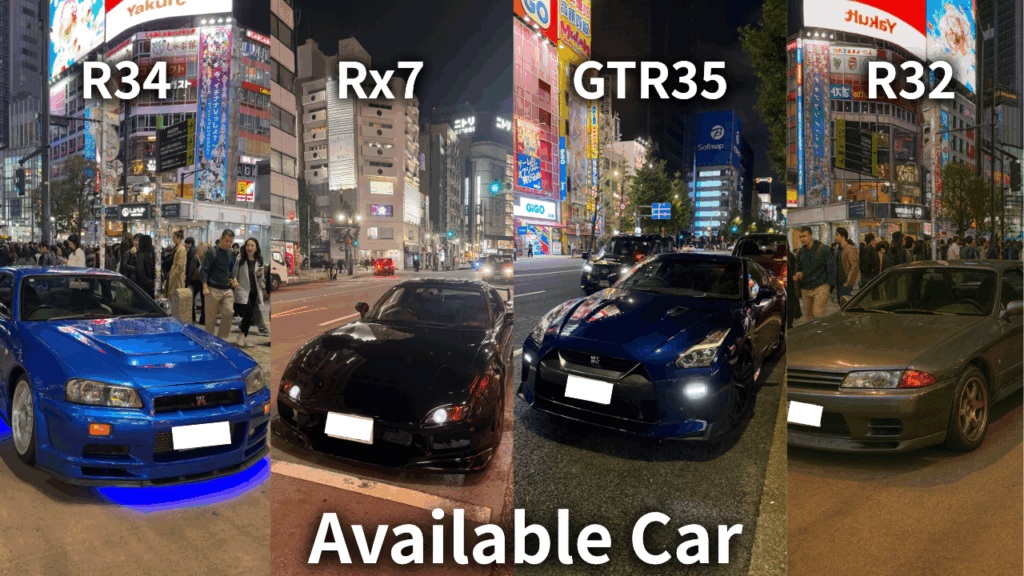
From Daikoku PA tours to JDM sports car rentals and drift experiences, we offer premium driving adventures for visitors who want more than ordinary sightseeing.
Get behind the wheel of iconic machines such as the GT-R, RX-7, and Supra, and experience Japan’s legendary car culture in the most unforgettable way. Whether you want a scenic Tokyo car experience or something more thrilling and immersive, we can guide you to the right plan.
Not sure which experience suits you best? No problem. Message us on WhatsApp and we’ll help you choose the ideal option based on your travel plans, interests, and driving experience.
Popular dates sell out quickly, so we recommend contacting us early.
Customer Reviews
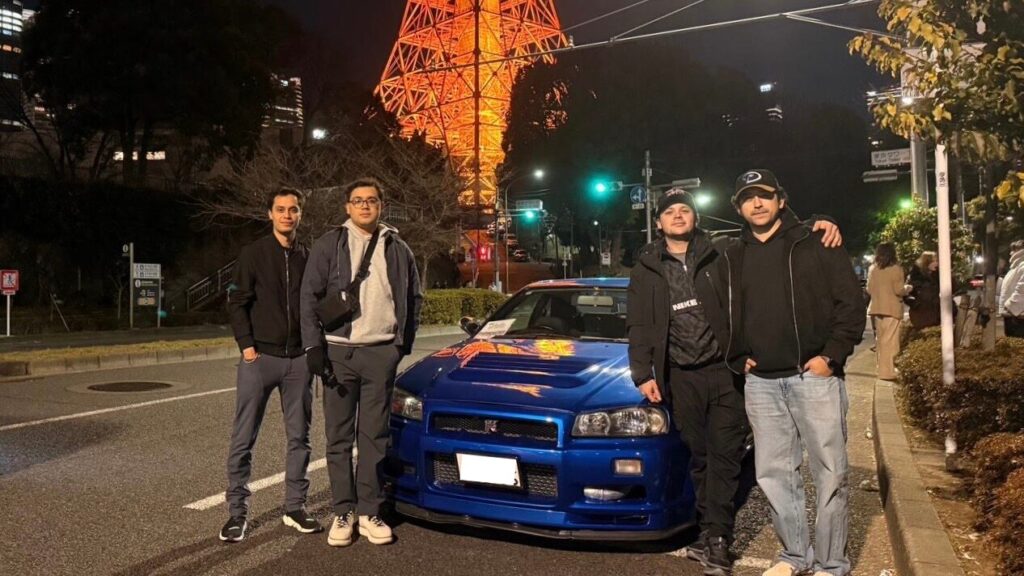
Important Information
- This is a drive tour where you drive your rental car, and our guide navigates from the seat.
- This is a self-drive tour where you drive your rental car, and our guide navigates from the passenger seat.
- The tour begins and ends at the same location (Shibuya).
- If the Daikoku Parking Area is closed, we will instead guide you to another car meet further away.
- The consultant is a cultural expert and navigator, not a taxi service.
