What Is the Hakone Ropeway?
The Hakone Ropeway (箱根ロープウェイ) is one of the most iconic aerial tramways in Japan, stretching approximately 4 kilometers across the volcanic landscape of Hakone. Connecting Sounzan Station to Togendai Station on the shores of Lake Ashi, the ropeway carries passengers over the dramatic Owakudani geothermal valley, offering sweeping panoramic views of sulfurous vents, lush mountain terrain, and — on clear days — the majestic peak of Mount Fuji. It is a central component of the famous Hakone Loop, the circular sightseeing course that draws millions of visitors each year.
-

-
Hakone: The Ultimate Travel Guide for 2026 — Hot Springs, Mt. Fuji Views & Scenic Drives
Why Hakone Should Be on Every Japan Traveler's List Hakone is one of the most beloved destinations n ...
続きを見る
Hakone Ropeway Route and Stations
The Hakone Ropeway operates between four stations, each offering distinct attractions and viewpoints. Understanding the route helps you plan an efficient visit.
Sounzan Station
Sounzan is the starting point of the ropeway if you are coming from the Hakone-Yumoto side. You arrive here by transferring from the Hakone Tozan Cable Car. The station sits at an elevation of approximately 767 meters and marks the beginning of the aerial journey northward.
Owakudani Station
This is the midpoint and the most popular stop along the ropeway. Owakudani, which translates to "Great Boiling Valley," is an active volcanic zone where you can see steam vents, bubbling hot springs, and smell the distinctive sulfur in the air. The station has an observation deck, a museum, and shops selling the famous kuro-tamago (black eggs) boiled in the sulfurous hot springs. Legend says eating one adds seven years to your life.
-
-
Owakudani Hakone: Complete Guide to the Volcanic Valley, Black Eggs & Stunning Views in 2026
What Is Owakudani in Hakone? Owakudani — literally translated as "Great Boiling Valley" — is one of ...
続きを見る
Ubako Station
A smaller, quieter station between Owakudani and Togendai, Ubako is surrounded by dense forest and is a good starting point for nature walks. Most visitors pass through without stopping, but hikers and those seeking tranquility may appreciate an exit here.
Togendai Station
The final station on the ropeway's northern end, Togendai sits at the shore of Lake Ashi. From here you can board sightseeing pirate ships or other lake cruise vessels that travel across the lake to Hakone-machi and Moto-Hakone. This connection is a key part of completing the Hakone Loop.
-
-
Lake Ashi Hakone: Complete Guide to Sightseeing, Cruises & Views in 2026
What Is Lake Ashi in Hakone? Lake Ashi — known as Ashinoko (芦ノ湖) in Japanese — is a scenic crater la ...
続きを見る
Hakone Ropeway Ticket Prices in 2026
Ticket prices for the Hakone Ropeway depend on the section you ride and whether you purchase a one-way or round-trip fare. As of 2026, approximate fares are:
- Sounzan to Togendai (full route, one-way): ¥1,500 for adults, ¥750 for children (ages 6–11)
- Sounzan to Owakudani (one-way): ¥900 for adults, ¥450 for children
- Owakudani to Togendai (one-way): ¥900 for adults, ¥450 for children
Round-trip tickets are also available at a discount. However, if you are completing the Hakone Loop, a one-way ticket for each segment is typically more practical.
Using the Hakone Free Pass
The Hakone Free Pass, sold by Odakyu Railway, is the most cost-effective way to experience the ropeway and the entire Hakone Loop. The pass covers unlimited rides on the Hakone Ropeway, Hakone Tozan Railway, Hakone Tozan Cable Car, Lake Ashi sightseeing boats, and Hakone Tozan buses for two or three days. In 2026, a two-day pass from Shinjuku costs approximately ¥6,100 for adults and ¥1,100 for children. Given that the ropeway alone costs ¥1,500 one-way, the pass pays for itself quickly.
Operating Hours and Schedule
The Hakone Ropeway typically operates from 9:00 AM to 5:00 PM (last departure at approximately 4:15 PM from Sounzan). Operating hours may be slightly extended during peak seasons such as Golden Week, Obon, and autumn foliage season. The gondolas depart continuously at intervals of about one minute, so there is no strict timetable — you simply board the next available cabin.
The ropeway may suspend operations during strong winds, heavy rain, volcanic activity advisories, or scheduled maintenance. It is wise to check the official Hakone Ropeway website or call ahead on days with questionable weather.
-
-
Hakone Weather by Month: What to Expect and When to Visit in 2026
Understanding Hakone's Climate and Why It Matters for Your Trip Hakone sits in the mountainous terra ...
続きを見る

Best Time to Ride the Hakone Ropeway
Each season offers a different visual experience from the ropeway gondolas. Here is what to expect throughout the year:
- Spring (March–May): Cherry blossoms bloom at lower elevations, and the fresh green of new leaves begins to spread up the mountainside. Visibility tends to be moderate with occasional haze.
- Summer (June–August): Lush green landscapes dominate the view. Early mornings offer the best chance of seeing Mount Fuji before afternoon clouds roll in. Expect crowds during Obon (mid-August).
- Autumn (October–November): This is arguably the most spectacular time. The mountains explode in red, orange, and gold foliage. Peak autumn color along the ropeway route usually occurs in mid-to-late November. Expect large crowds and potential wait times of 30 minutes or more.
- Winter (December–February): Fewer crowds and crisp, clear air mean this is often the best season for Mount Fuji views. The volcanic steam at Owakudani contrasts beautifully with cold winter skies.
For the best Mount Fuji visibility on any day, ride the ropeway in the early morning. Clouds and haze tend to increase as the day progresses.
What You Can See from the Gondola
The Hakone Ropeway ride is divided into two main visual sections. Between Sounzan and Owakudani, the gondola ascends steeply over the volcanic terrain. You will see dramatic sulfur vents, bare rock faces stained yellow and white by mineral deposits, and wisps of steam rising from the earth. The landscape here feels almost otherworldly.
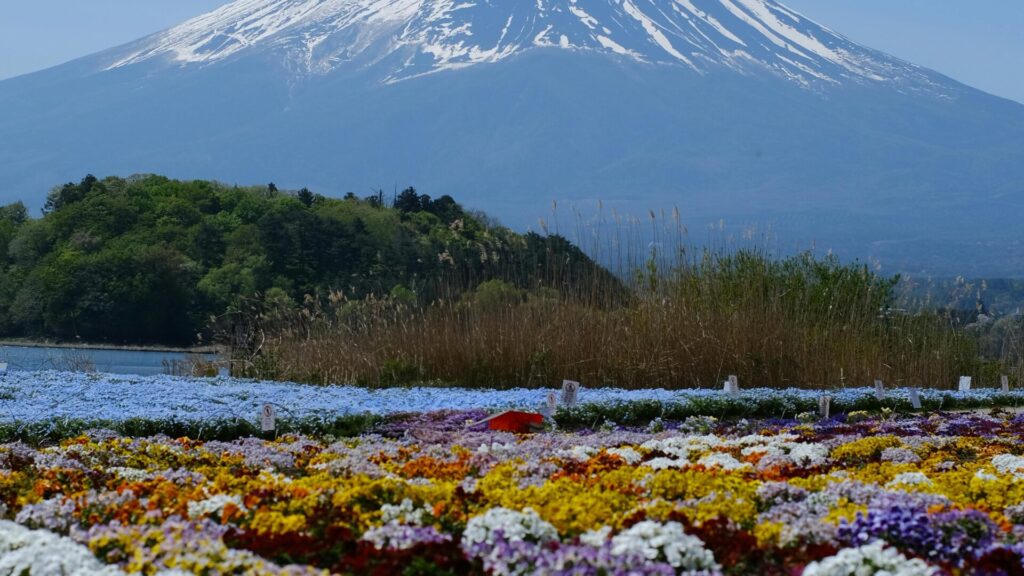
From Owakudani to Togendai, the scenery shifts to forested mountain slopes descending toward the serene waters of Lake Ashi. On clear days, Mount Fuji rises prominently to the west, creating one of Japan's most photographed panoramas. The entire ride from Sounzan to Togendai takes approximately 30 minutes without stopping.
Tips for a Smooth Hakone Ropeway Experience

- Arrive early: Aim to reach Sounzan Station before 10:00 AM to avoid the heaviest crowds, especially on weekends and holidays.
- Travel the loop counterclockwise: Most tour groups follow the clockwise route (Hakone-Yumoto → cable car → ropeway → lake). Going in reverse can mean shorter lines at the ropeway.
- Sit on the right side: When riding from Sounzan to Owakudani, the right side of the gondola offers the best views of the volcanic valley.
- Bring layers: Temperatures at the higher elevations can be noticeably cooler than at lake level. A light jacket is recommended even in summer.
- Check volcanic alerts: Owakudani is an active volcanic area. Occasionally, sections of the ropeway or the Owakudani walking trails are closed due to elevated volcanic gas levels. People with respiratory conditions should exercise caution.
- Consider accessibility: The ropeway gondolas are wheelchair accessible, and staff assist with boarding. However, some walking areas around Owakudani involve uneven terrain.
Getting to the Hakone Ropeway
From Tokyo by Train
The most common route from Tokyo begins at Shinjuku Station. Take the Odakyu Romance Car limited express to Hakone-Yumoto Station (approximately 85 minutes). From there, board the Hakone Tozan Railway to Gora Station, then transfer to the Hakone Tozan Cable Car to Sounzan Station, where the ropeway begins. The entire journey from Shinjuku to the ropeway takes about two hours.
From Tokyo by Car
Driving from central Tokyo to the Hakone area takes roughly 90 minutes to two hours via the Tomei Expressway and Odawara-Atsugi Road. If you plan to ride the ropeway, parking is available near Sounzan and Togendai stations, though spaces fill quickly on weekends. Driving gives you the flexibility to explore other Hakone attractions at your own pace, including scenic mountain roads and nearby onsen towns.
-

-
Rent a Car Tokyo to Hakone Onsen: Complete Driving Guide for Visitors
Why Drive from Tokyo to Hakone Onsen? Renting a car gives you door‑to‑door access to hot spring town ...
続きを見る
Combining the Ropeway with the Hakone Loop
The Hakone Ropeway is one segment of the famous Hakone Golden Course (also called the Hakone Loop), a circular sightseeing route that uses multiple modes of transportation. The full loop typically includes:
- Odakyu Romance Car from Shinjuku to Hakone-Yumoto
- Hakone Tozan Railway from Hakone-Yumoto to Gora
- Hakone Tozan Cable Car from Gora to Sounzan
- Hakone Ropeway from Sounzan to Togendai
- Lake Ashi sightseeing cruise from Togendai to Moto-Hakone or Hakone-machi
- Hakone Tozan Bus back to Hakone-Yumoto
The entire loop can be completed in a single day, though spending at least one night in Hakone allows you to enjoy the hot springs and attractions at a relaxed pace. With a Hakone Free Pass, all these transportation segments are covered.
Nearby Attractions Worth Visiting
While the ropeway itself is a highlight, the surrounding area offers plenty more to explore:
- Owakudani Nature Trail: A short walking path near Owakudani Station that brings you close to the steaming volcanic vents (open weather and volcanic conditions permitting).
- Hakone Open Air Museum: Located near Gora, this outdoor sculpture museum is accessible before or after your ropeway ride.
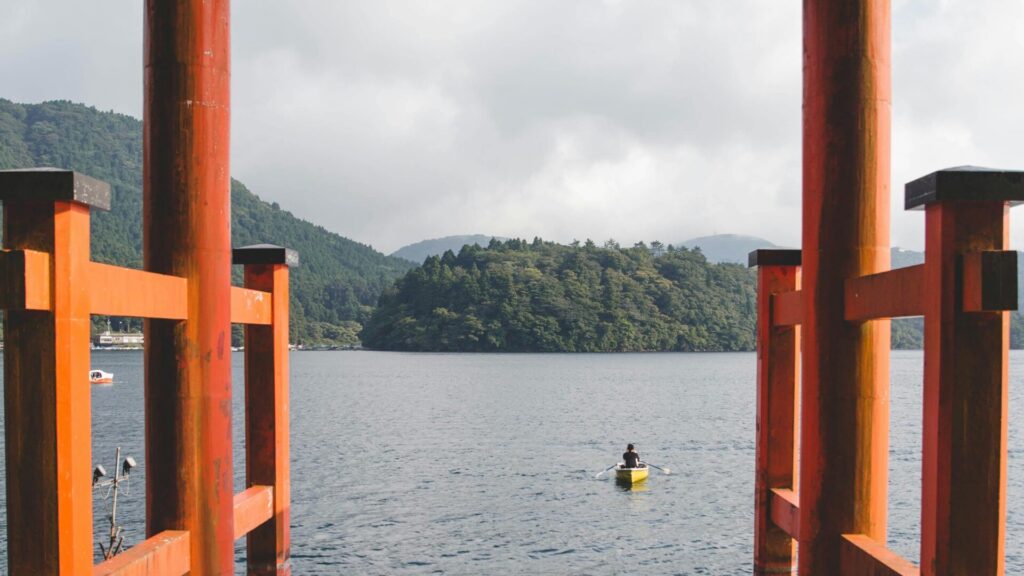
- Lake Ashi Pirate Ship Cruise: Board at Togendai for a scenic cruise across the lake with views of the lakeside torii gate of Hakone Shrine.
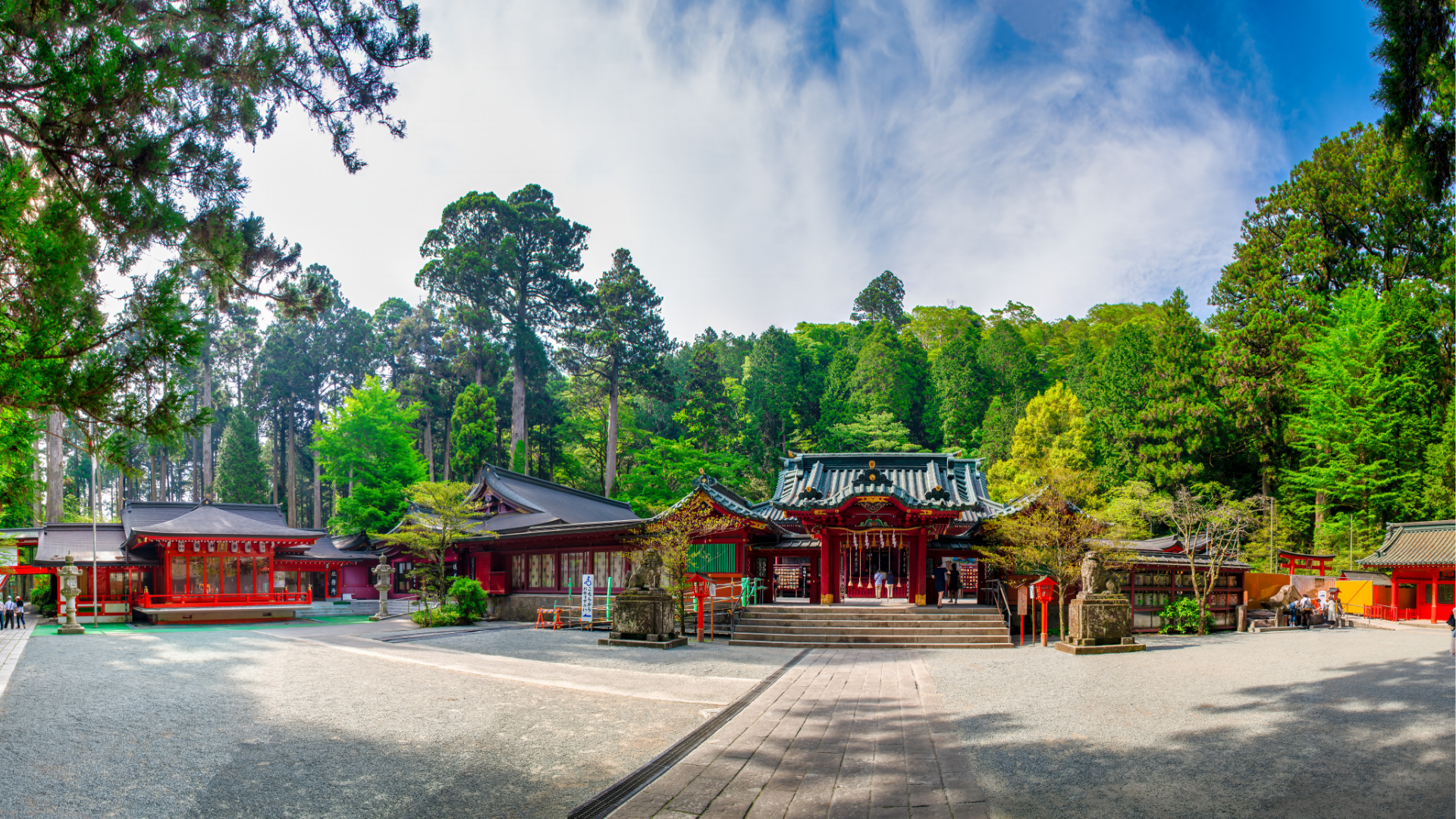
- Hakone Shrine: A historic Shinto shrine nestled in the forests near Moto-Hakone, famous for its red torii gate standing in the waters of Lake Ashi.
- Hakone-Yumoto Onsen: The gateway town to Hakone, offering numerous public baths and ryokan for a post-sightseeing soak.
Frequently Asked Questions About the Hakone Ropeway
Is the Hakone Ropeway safe?
Yes. The ropeway system was fully renewed in 2020 with modern gondola cabins and safety infrastructure. Operations are suspended during unsafe weather or elevated volcanic activity, prioritizing passenger safety at all times.
How long is the ropeway ride?
The full ride from Sounzan to Togendai takes approximately 30 minutes without stopping. If you disembark at Owakudani to explore, plan for an additional 30–60 minutes at the station area.
Can I bring luggage on the ropeway?
Small bags and backpacks are fine. Large suitcases may not fit comfortably in the gondola cabins, and staff may ask you to use luggage delivery services available at major stations in Hakone.
Is the ropeway included in the Hakone Free Pass?
Yes. The Hakone Free Pass covers unlimited rides on the Hakone Ropeway along with most other Hakone transportation modes.
What happens if the ropeway is closed?
When the ropeway is suspended due to weather or volcanic conditions, substitute buses operate between Sounzan and Togendai via an alternate route. The bus ride takes longer but ensures you can still complete the Hakone Loop.
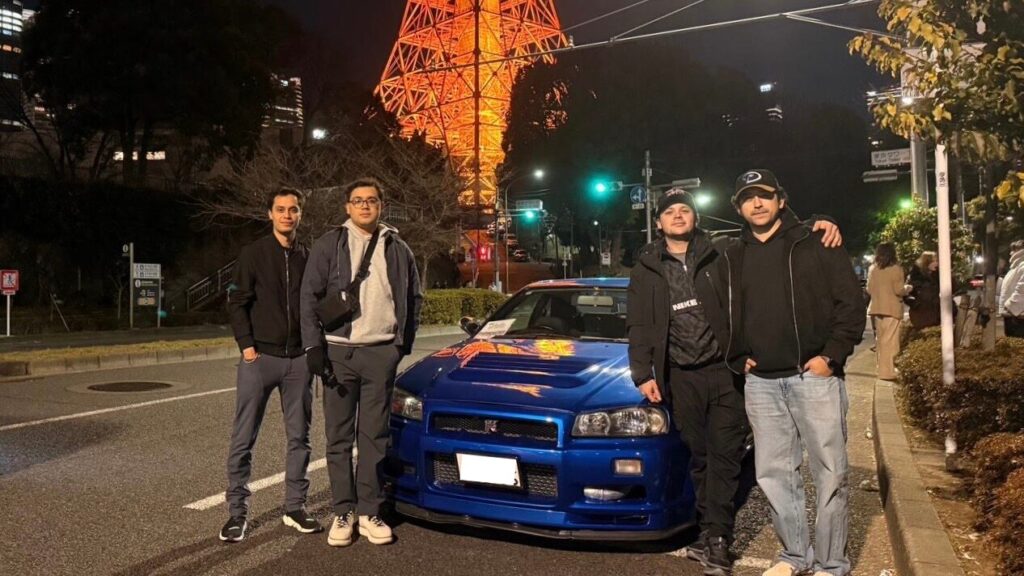
Experience Japan’s Finest JDM Adventures
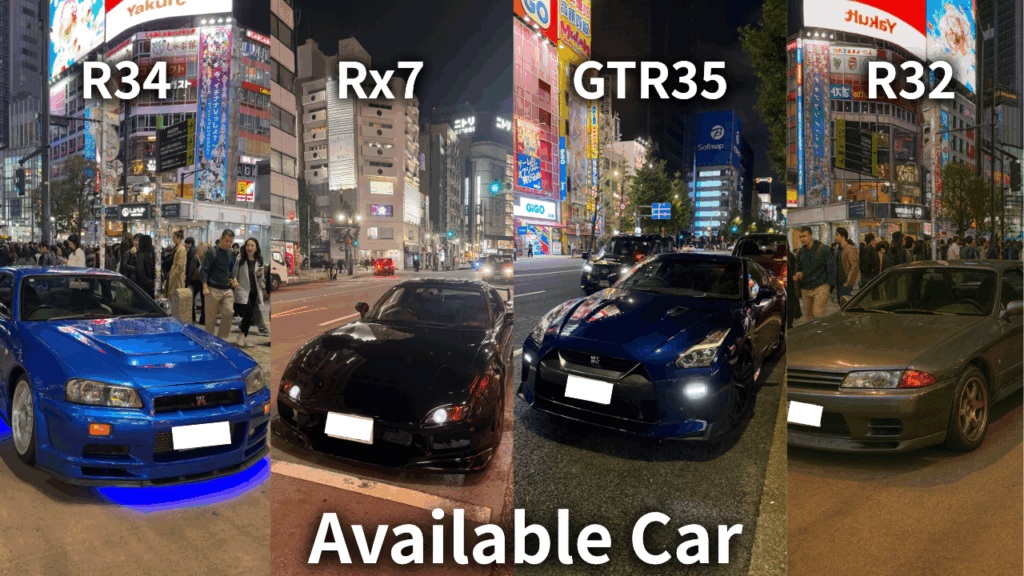
From Daikoku PA tours to JDM sports car rentals and drift experiences, we offer premium driving adventures for visitors who want more than ordinary sightseeing.
Get behind the wheel of iconic machines such as the GT-R, RX-7, and Supra, and experience Japan’s legendary car culture in the most unforgettable way. Whether you want a scenic Tokyo car experience or something more thrilling and immersive, we can guide you to the right plan.
Not sure which experience suits you best? No problem. Message us on WhatsApp and we’ll help you choose the ideal option based on your travel plans, interests, and driving experience.
Popular dates sell out quickly, so we recommend contacting us early.
Customer Reviews
Important Information
- This is a drive tour where you drive your rental car, and our guide navigates from the seat.
- This is a self-drive tour where you drive your rental car, and our guide navigates from the passenger seat.
- The tour begins and ends at the same location (Shibuya).
- If the Daikoku Parking Area is closed, we will instead guide you to another car meet further away.
- The consultant is a cultural expert and navigator, not a taxi service.
