Why You Need a Hakone Itinerary
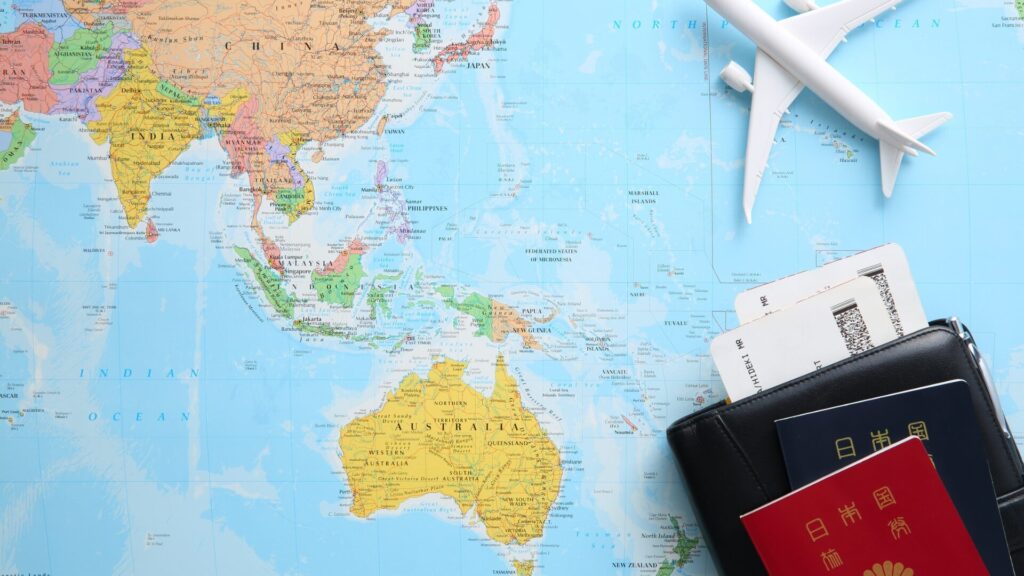
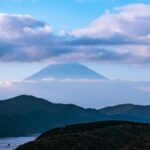
Hakone is one of the most popular day trip and overnight destinations from Tokyo, offering volcanic scenery, traditional onsen hot springs, world-class museums, and iconic views of Mount Fuji. Yet the sheer number of attractions — scattered across mountain valleys, lakeshores, and hilltop plateaus — can make planning overwhelming. A well-structured Hakone itinerary ensures you hit the highlights without wasting time backtracking or waiting in long queues.
Whether you have a single day or a relaxing two-day overnight stay, the itineraries below are designed to help you maximize every hour in this stunning Kanagawa region. They cover transportation logistics, ideal timing, must-visit spots, and practical tips that will make your 2026 Hakone trip seamless.
-

-
Hakone: The Ultimate Travel Guide for 2026 — Hot Springs, Mt. Fuji Views & Scenic Drives
Why Hakone Should Be on Every Japan Traveler's List Hakone is one of the most beloved destinations n ...
続きを見る
How to Get to Hakone from Tokyo
Before diving into the itinerary, it helps to understand your transit options. Your choice of transportation affects your departure time and how much flexibility you have once you arrive.
Romancecar from Shinjuku
The Odakyu Romancecar is the most popular option. It runs directly from Shinjuku Station to Hakone-Yumoto Station in approximately 85 minutes. Reserved seating, large windows, and a comfortable ride make this the go-to choice for most visitors. Booking in advance is strongly recommended during peak seasons such as autumn foliage (mid-November) and cherry blossom season (late March to early April).
-
-
Hakone Romancecar: A complete guide to riding Odakyu's iconic limited express train in 2026
What Is the Hakone Romance Car? The Hakone Romancecar is a limited express train operated by Odakyu ...
続きを見る

By Car from Tokyo
Driving from central Tokyo to Hakone takes roughly 90 to 120 minutes via the Tomei Expressway and Odawara-Atsugi Road. Having your own car gives you the freedom to explore at your own pace, stop at viewpoints along the Hakone Turnpike, and visit attractions that are less accessible by public transit. For car enthusiasts, the winding mountain roads around Hakone are an attraction in their own right — a JDM rental car can transform the drive itself into a memorable part of your trip.
-

-
Rent a Car Tokyo to Hakone Onsen: Complete Driving Guide for Visitors
Why Drive from Tokyo to Hakone Onsen? Renting a car gives you door‑to‑door access to hot spring town ...
続きを見る
Hakone Free Pass
If you plan to use public transport within Hakone, the Hakone Free Pass is practically essential. It covers the Odakyu line from Shinjuku (local express), plus unlimited rides on the Hakone Tozan Railway, cable car, ropeway, sightseeing cruise, and Hakone Tozan Bus for two or three days. It also provides discounts at many attractions and restaurants.
One-Day Hakone Itinerary
A single day in Hakone is tight but absolutely doable if you start early. The classic "Hakone Loop" route is the most efficient way to see the main sights without retracing your steps.
Morning: Hakone-Yumoto to Gora (9:00 AM – 11:00 AM)
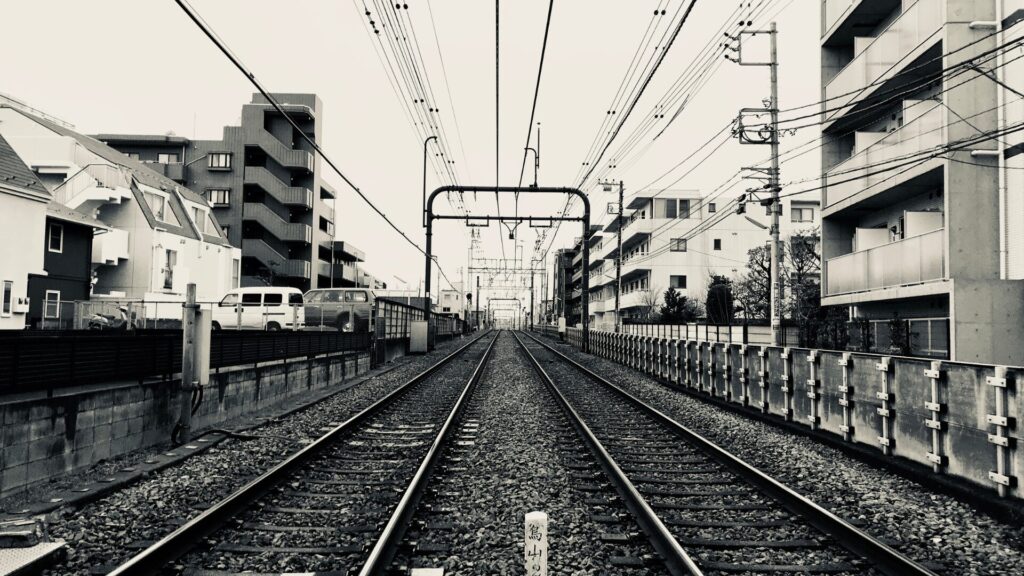
Arrive at Hakone-Yumoto Station by 9:00 AM at the latest. Board the Hakone Tozan Railway, a charming switchback mountain train that climbs through lush forests. The ride to Gora Station takes about 40 minutes and offers beautiful views, especially during hydrangea season (June–July) and autumn.
Once in Gora, you have two excellent choices depending on your interests. Art lovers should head directly to the Hakone Open-Air Museum, a 10-minute walk from Chokoku-no-Mori Station (one stop before Gora). It features over 100 outdoor sculptures set against a mountain backdrop, plus a dedicated Picasso collection. Alternatively, the Hakone Art Museum in Gora itself has a stunning moss garden that is particularly breathtaking in autumn.
Late Morning: Gora to Owakudani (11:00 AM – 12:30 PM)
From Gora, take the Hakone Tozan Cable Car to Sounzan Station (about 10 minutes). Then transfer to the Hakone Ropeway for the dramatic aerial journey to Owakudani. This volcanic valley is one of Hakone's most iconic sights — steaming sulfurous vents, barren rock faces, and on clear days, a jaw-dropping view of Mount Fuji rising above the landscape.
At Owakudani, buy the famous black eggs (kuro-tamago) boiled in the hot volcanic springs. Legend says each egg adds seven years to your life. Budget about 30 to 45 minutes here for photos, eggs, and soaking in the surreal scenery.
Afternoon: Lake Ashi Cruise (12:30 PM – 2:30 PM)
Continue on the ropeway from Owakudani down to Togendai at the shore of Lake Ashi. Board the Hakone Sightseeing Cruise (or the iconic pirate ship) for a roughly 30-minute ride across the lake to Hakone-machi or Moto-Hakone. On clear days, the reflection of Mount Fuji in the lake is one of the most photographed scenes in all of Japan.
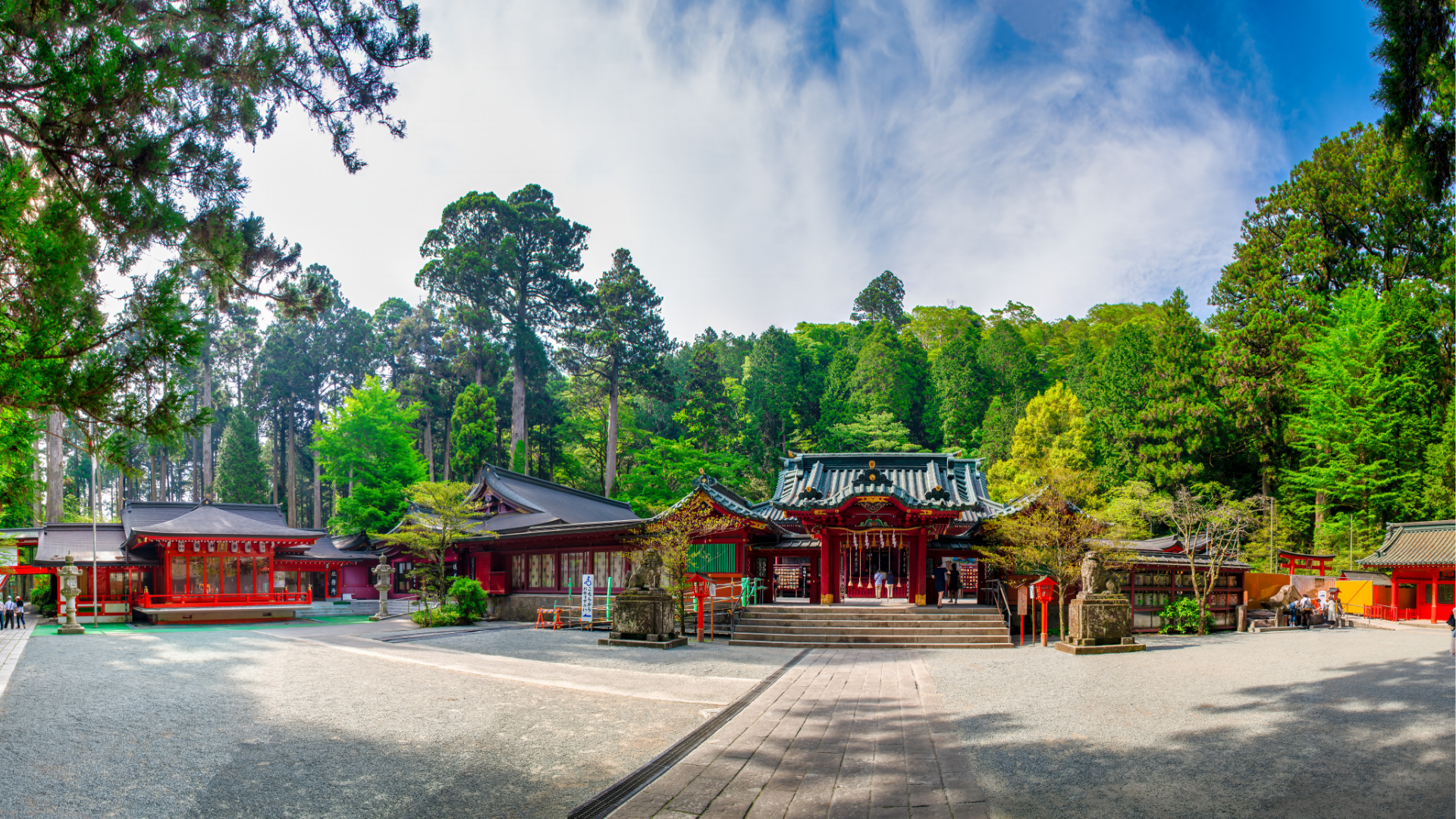
Upon arrival at Moto-Hakone, walk along the lakeside to see the Hakone Shrine's famous red torii gate standing in the water — another essential photo spot. The cedar-lined Old Tokaido Road nearby also merits a short stroll if time permits.
-
-
Lake Ashi Hakone: Complete Guide to Sightseeing, Cruises & Views in 2026
What Is Lake Ashi in Hakone? Lake Ashi — known as Ashinoko (芦ノ湖) in Japanese — is a scenic crater la ...
続きを見る
Late Afternoon: Return to Hakone-Yumoto (3:00 PM – 5:00 PM)
From Moto-Hakone, take the Hakone Tozan Bus back to Hakone-Yumoto (about 35 minutes). Before heading back to Tokyo, spend an hour at one of the many day-use onsen facilities around Hakone-Yumoto. Kappa Tengoku is a popular and affordable outdoor bath, while Tenzan Tohji-kyo offers a more premium experience. Soaking in a hot spring after a full day of sightseeing is the perfect way to close out your Hakone itinerary.
Catch the Romancecar back to Shinjuku, arriving by early evening.
Two-Day Hakone Itinerary (Overnight Stay)
An overnight trip allows you to experience Hakone at a relaxed pace and, crucially, enjoy a traditional ryokan stay with kaiseki dinner and private onsen — something a day trip simply cannot offer.
Day 1: Scenic Loop and Check-In
Follow the one-day itinerary above through Gora, Owakudani, and Lake Ashi, but at a slower pace. Take extra time at the Open-Air Museum. Linger at Owakudani. After the lake cruise and Hakone Shrine visit, check in to your ryokan or hotel in the Gora, Kowakidani, or lakeside area by 3:00 PM.
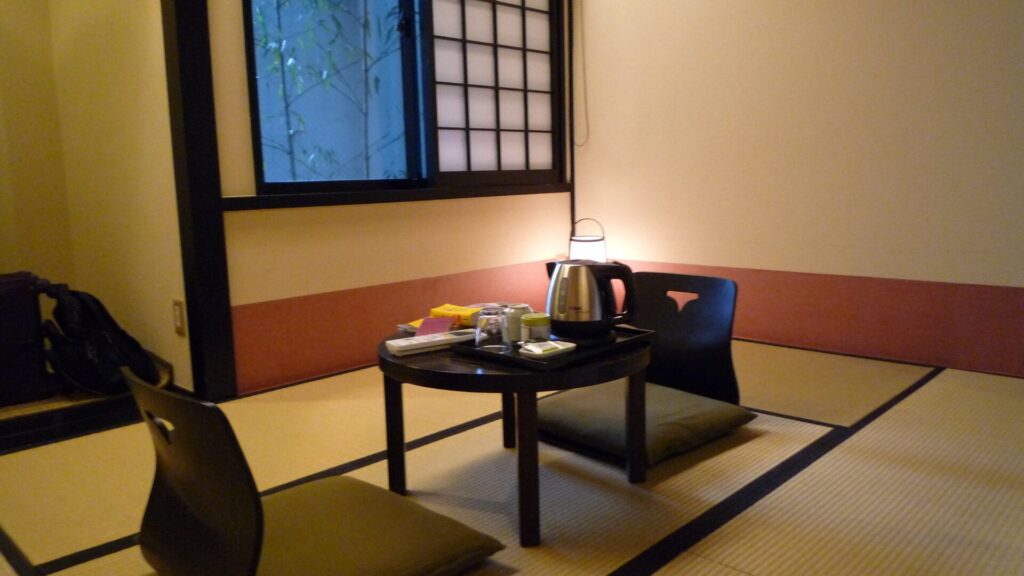
Spend the rest of the afternoon and evening enjoying your accommodation's onsen (many ryokan offer private open-air baths), followed by a multi-course kaiseki dinner. This is the quintessential Japanese hospitality experience and one of the top reasons to stay overnight.
Day 2: Deeper Exploration (9:00 AM – 2:00 PM)
With the main loop covered on Day 1, Day 2 is your chance to explore the attractions you missed or to venture off the beaten path.
- Hakone Venetian Glass Museum (Hakone Garasunomori): A charming European-style museum with stunning glass art and seasonal garden displays.
- Pola Museum of Art: Nestled deep in the forest, this architecturally striking museum houses an impressive collection of Impressionist and Japanese paintings.
- Choanji Temple and Old Tokaido Checkpoint: For history buffs, the reconstructed Edo-period checkpoint at Hakone-machi offers insight into Japan's feudal highway system.
- Hiking the Old Tokaido Trail: The stone-paved path through towering cedar trees between Moto-Hakone and Hatajuku is one of Hakone's most atmospheric walks, taking about an hour.
- Hakone Turnpike Drive: If you have a car, the Hakone Turnpike offers spectacular sweeping curves and panoramic views of the Pacific Ocean and Suruga Bay.
-
-
Hakone Turnpike: Japan's Most Scenic Toll Road for Driving Enthusiasts in 2026
What Is the Hakone Turnpike? The Hakone Turnpike (箱根ターンパイク), officially known as the TOYO TIRES Turn ...
続きを見る
Depart Hakone after lunch to return to Tokyo in the early afternoon, giving you ample time for the rest of your evening.
Best Time of Year to Visit Hakone
Hakone is a year-round destination, but each season brings a distinct character that can shape your itinerary.
- Spring (March–May): Cherry blossoms bloom along Lake Ashi and in the Gora area in early to mid-April. Pleasant temperatures make hiking ideal.
- Summer (June–August): Hydrangea season on the Hakone Tozan Railway is spectacular in June and July. Summers are warm and humid but cooler than Tokyo due to the higher elevation.
- Autumn (October–November): Peak season. The fall foliage across Hakone is breathtaking, particularly around Sengokuhara Pampas Grass Field and the Hakone Art Museum moss garden. Expect crowds.
- Winter (December–February): Fewer tourists and the clearest views of Mount Fuji. The ropeway may occasionally close due to volcanic activity or weather, so check conditions in advance.
Hakone Itinerary Tips and Practical Advice
Start Early to Beat the Crowds
The Hakone Loop route is followed by the vast majority of visitors, which means queues at the ropeway and cruise can become significant by midday, especially on weekends and holidays. Arriving at Hakone-Yumoto by 9:00 AM — or even 8:30 AM — gives you a meaningful head start.
Check Ropeway and Volcanic Alerts
Owakudani is an active volcanic zone. The Hakone Ropeway section between Sounzan and Owakudani occasionally suspends service due to elevated volcanic gas levels. Check the official Hakone Navi website or app on the morning of your visit. If the ropeway is closed, substitute buses operate between Sounzan and Togendai, though you will miss the aerial views.
Coin Lockers at Hakone-Yumoto
If you are carrying luggage for an overnight stay, use the coin lockers at Hakone-Yumoto Station before starting the loop. Many ryokan also accept luggage delivery from the station via local services. Traveling light makes the multiple transfers much more comfortable.
Combining Hakone with Nearby Destinations
If you are driving, Hakone pairs naturally with several nearby destinations. Odawara Castle is a worthwhile 30-minute stop on the way in or out. The Izu Peninsula to the south offers coastal scenery and more onsen towns. And for car enthusiasts, Fuji Speedway is only about 40 minutes from central Hakone — a detour that adds a completely different dimension to your trip.
Sample Hakone Itinerary at a Glance
Here is a quick-reference summary for a one-day Hakone itinerary:
- 9:00 AM — Arrive Hakone-Yumoto, board Tozan Railway
- 9:45 AM — Chokoku-no-Mori Station → Hakone Open-Air Museum
- 11:00 AM — Gora → Cable Car to Sounzan → Ropeway to Owakudani
- 12:00 PM — Owakudani: volcanic valley, black eggs, Mt. Fuji views
- 12:45 PM — Ropeway to Togendai → Lake Ashi Sightseeing Cruise
- 1:30 PM — Moto-Hakone: Hakone Shrine, lakeside torii gate
- 2:30 PM — Lunch at a lakeside restaurant
- 3:30 PM — Bus to Hakone-Yumoto → Day-use onsen
- 5:00 PM — Romancecar back to Shinjuku
Adjust this framework based on your interests and pace. If museums are a priority, budget more time in Gora and trim the Lake Ashi portion. If relaxation is the goal, skip one attraction and add a longer onsen session.
Making the Most of Your Hakone Trip in 2026
Hakone rewards visitors who plan ahead but remain flexible. The region is compact enough that even a single day yields an incredibly varied experience — from volcanic landscapes and mountain railways to serene lake cruises and healing hot springs. An overnight stay deepens the experience immeasurably, allowing you to enjoy the unhurried rhythms of ryokan hospitality and the magical quiet of Hakone after the day-trippers have departed. Whatever your pace, a thoughtfully planned Hakone itinerary transforms a good trip into an unforgettable one.
Experience Japan’s Finest JDM Adventures
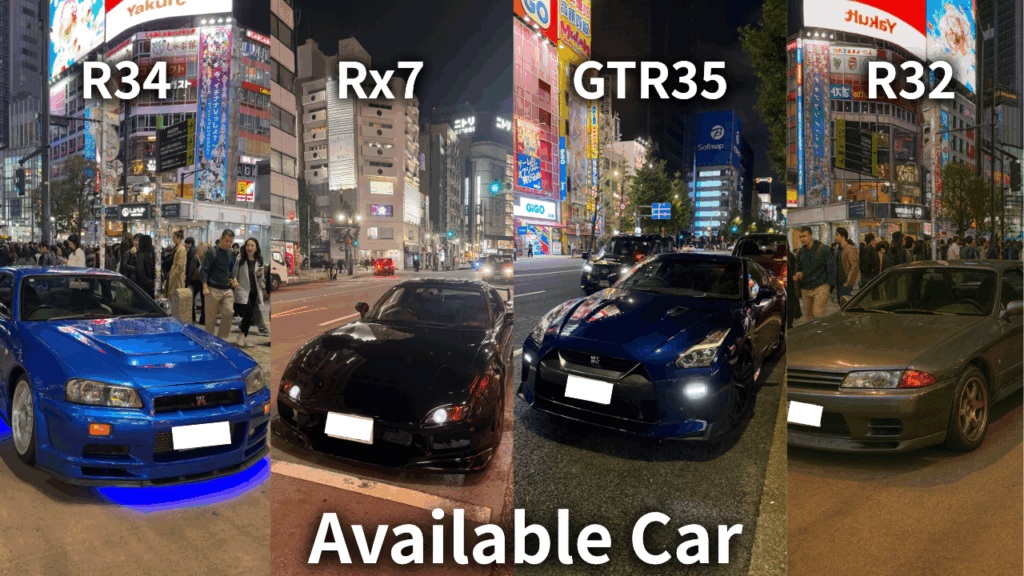
From Daikoku PA tours to JDM sports car rentals and drift experiences, we offer premium driving adventures for visitors who want more than ordinary sightseeing.
Get behind the wheel of iconic machines such as the GT-R, RX-7, and Supra, and experience Japan’s legendary car culture in the most unforgettable way. Whether you want a scenic Tokyo car experience or something more thrilling and immersive, we can guide you to the right plan.
Not sure which experience suits you best? No problem. Message us on WhatsApp and we’ll help you choose the ideal option based on your travel plans, interests, and driving experience.
Popular dates sell out quickly, so we recommend contacting us early.
Customer Reviews
Important Information
- This is a drive tour where you drive your rental car, and our guide navigates from the seat.
- This is a self-drive tour where you drive your rental car, and our guide navigates from the passenger seat.
- The tour begins and ends at the same location (Shibuya).
- If the Daikoku Parking Area is closed, we will instead guide you to another car meet further away.
- The consultant is a cultural expert and navigator, not a taxi service.
