
Why Hakone Is a Must-Visit Destination for Food Lovers
Hakone is celebrated worldwide for its hot springs, scenic mountain landscapes, and views of Mount Fuji — but the region's culinary scene deserves equal recognition. Nestled in the mountains of Kanagawa Prefecture, Hakone benefits from pristine volcanic spring water, nutrient-rich soil, and close proximity to Sagami Bay, creating a unique terroir that shapes its cuisine. Whether you are visiting for a day trip or an overnight ryokan stay, exploring Hakone food is one of the most rewarding parts of any itinerary.
From sulfur-boiled black eggs at Owakudani to delicate soba noodles made with mountain spring water, the food in Hakone reflects centuries of Japanese culinary tradition fused with modern innovation. This guide covers the essential dishes, top restaurants, street food, and practical tips you need to make the most of your Hakone food experience in 2026.
-

-
Hakone: The Ultimate Travel Guide for 2026 — Hot Springs, Mt. Fuji Views & Scenic Drives
Why Hakone Should Be on Every Japan Traveler's List Hakone is one of the most beloved destinations n ...
続きを見る
Iconic Hakone Foods You Must Try
Owakudani Kuro-Tamago (Black Eggs)
No discussion of Hakone food is complete without the legendary black eggs of Owakudani. These eggs are hard-boiled in the natural sulfuric hot springs of the Owakudani volcanic valley, which turns their shells jet black. Local legend says eating one black egg adds seven years to your life. The sulfur-infused cooking process gives the egg white a subtly unique flavor and slightly different texture compared to a regular boiled egg. They are sold in bags of five at the vendors near the top of the Owakudani ropeway station and remain one of the most photographed foods in all of Hakone.
-
-
Black Eggs of Hakone ~The Legendary Black Eggs of Owakudani~
What are Hakone black eggs? Black eggs (kuro tamago) are the most famous souvenir representing Hakon ...
続きを見る

Hakone Soba
Soba noodles hold a special place in Hakone's culinary identity. The region's clean, mineral-rich mountain water — the same water that feeds its famous onsen — produces exceptionally smooth and fragrant buckwheat noodles. Many soba restaurants in Hakone use juwari (100% buckwheat) or nihachi (80% buckwheat, 20% wheat) recipes that have been passed down for generations. The noodles are typically served chilled on a bamboo tray (zaru soba) with a dipping sauce, or in a hot broth during cooler months. Top spots for soba include restaurants around Hakone-Yumoto and the Gora area.
Hakone Tofu and Yuba
Thanks to the quality of local spring water, Hakone produces exceptionally silky tofu and yuba (tofu skin). Several restaurants specialize in multi-course tofu kaiseki meals, where tofu appears in a surprising variety of preparations: chilled with ponzu, deep-fried as agedashi, simmered in hot pots, and even incorporated into desserts. Tofu kaiseki is particularly popular among visitors seeking a lighter, plant-based fine dining experience.
Kamaboko (Fish Cake)
While kamaboko is produced throughout Japan, the Odawara-Hakone area is considered one of the finest producers in the country. Odawara kamaboko, made from fresh white fish sourced from nearby Sagami Bay, has a distinctly springy, bouncy texture and clean umami flavor. Several shops along Hakone-Yumoto's main street offer fresh kamaboko for tasting, and some establishments let visitors try their hand at making their own.
Manju and Onsen Manju
Steamed manju buns — small, soft dough pockets filled with sweet red bean paste — are a quintessential Hakone street snack. The onsen manju variant is steamed using hot spring steam, giving the bun a moist texture. You will find them sold freshly steamed at shops throughout Hakone-Yumoto station area, and they make an excellent quick treat while walking between attractions.
Best Restaurants and Cafes in Hakone by Area
Hakone-Yumoto: The Gateway to Hakone Dining
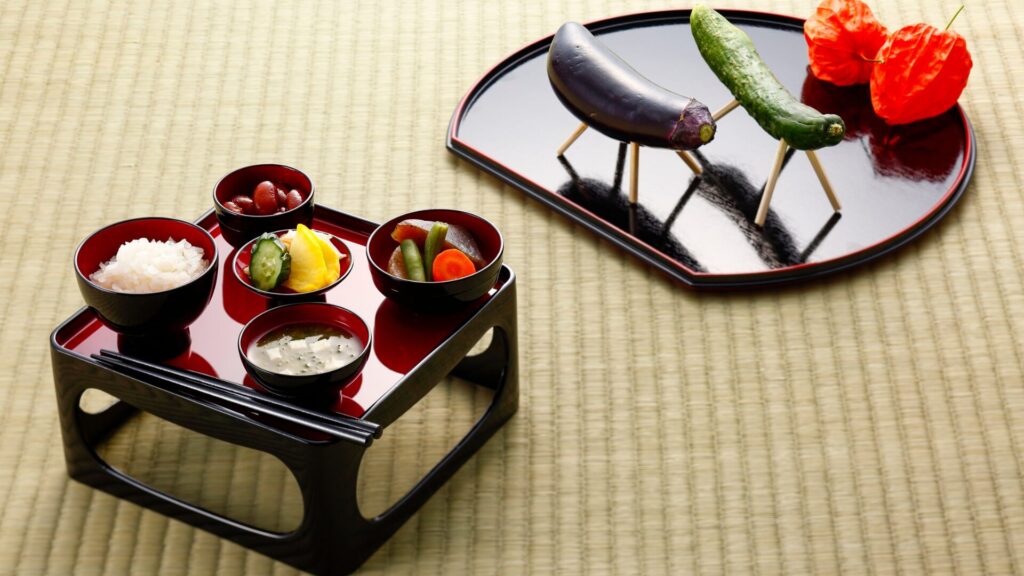
Hakone-Yumoto is the first stop for most visitors and offers the densest concentration of dining options. The main shopping street between the station and the river is lined with restaurants, bakeries, and snack stalls. Notable spots include:
- Hatsuhana — Widely regarded as one of the best soba restaurants in Hakone, known for its hand-made juwari soba and crispy tempura. Expect a wait during peak hours.
- Tamura Ginkatsutei — Famous for its tofu katsu (deep-fried tofu cutlet), this small restaurant serves hearty, affordable meals that have earned a cult following.
- Chikurintei — A charming soba restaurant set back from the main road with a quieter atmosphere and garden views.
-
-
Recommended Restaurants in Hakone: Places to Visit in 2026 (Local Favorites and Hidden Gems)
Why Hakone Is a Culinary Destination Worth Exploring Hakone is celebrated worldwide for its hot spri ...
続きを見る
Gora: Refined Dining in the Mountains
Gora, positioned higher in the Hakone mountains, tends toward more upscale dining experiences. Many ryokan in the area serve elaborate multi-course kaiseki dinners featuring seasonal ingredients. Beyond ryokan dining:
- Itoh Dining by Nobu — Located within the Hyatt Regency Hakone Resort, this restaurant offers Japanese-Peruvian fusion cuisine inspired by celebrity chef Nobu Matsuhisa.
- Gora Brewery & Grill — A craft beer brewery and grill specializing in wood-fired dishes paired with locally brewed ales.
- 田むら 銀かつ亭 (Tamura Ginkatsutei Gora branch) — Another location of the beloved tofu katsu restaurant.
-
-
Gora Hakone: Complete Guide to Hakone's Mountain Resort Hub in 2026
What Is Gora and Why Is It Central to Any Hakone Visit? Gora is the geographic and cultural heart of ...
続きを見る

Bakery & Table Hakone: Lakeside Dining
Overlooking Lake Ashi, Bakery & Table Hakone is one of the most popular dining destinations in the region. The three-story building offers freshly baked bread and pastries on the first floor, a casual cafe on the second, and a more formal restaurant with panoramic lake views on the third. The foot bath seating on the terrace — where you can soak your feet in hot spring water while enjoying a pastry — has become iconic. Arrive early, as lines can be long on weekends and holidays.
-
-
Bakery & Table Hakone: A Complete Guide to This Lakeside Café with Stunning Views
What Is Bakery & Table Hakone? Bakery & Table Hakone is one of the most popular dining desti ...
続きを見る

Around Lake Ashi
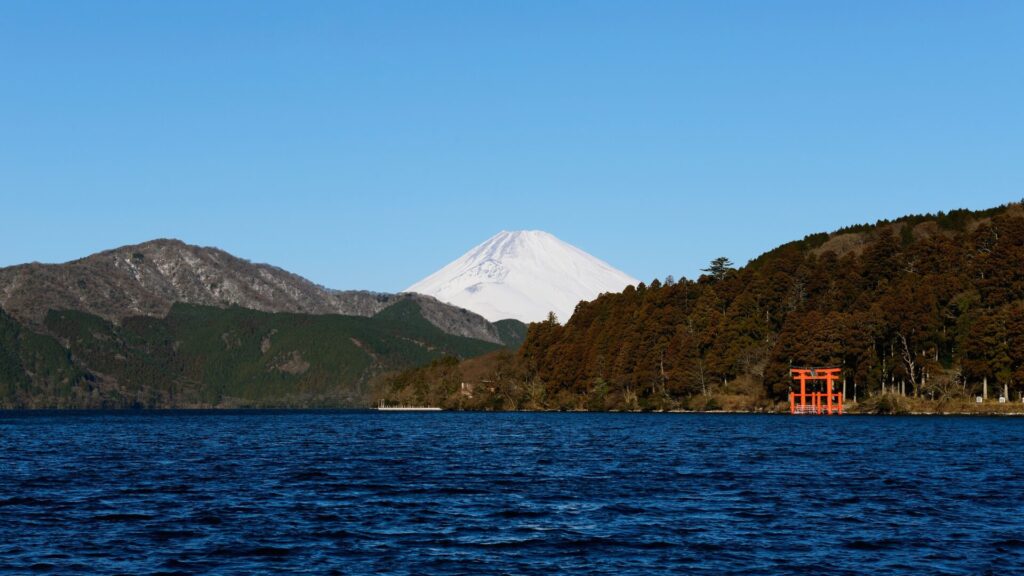
The Lake Ashi area offers a mix of scenic restaurants and casual eateries. Many visitors stop here after riding the Hakone Sightseeing Cruise or visiting the Hakone Shrine. Popular picks include:
- Amazake Chaya — A centuries-old teahouse along the historic Tokaido highway that serves amazake (sweet fermented rice drink) and mochi (rice cakes) in a rustic, thatch-roofed setting. It is one of the most atmospheric food stops in all of Hakone.
- Narukawa Art Museum Cafe — Enjoy matcha and wagashi (Japanese sweets) while taking in panoramic views of Lake Ashi and Mount Fuji.
- Restaurant Vert Bois — A French-Japanese fusion restaurant near the Hakone Detached Palace Garden, offering lunch courses with local seasonal ingredients.
Street Food and Snacks Along the Hakone Trail
One of the joys of visiting Hakone is grazing on street food as you explore. The following snacks are available at shops and stalls scattered throughout the main tourist areas:
- Age-kamaboko — Deep-fried fish cakes on a stick, available in flavors like cheese, shrimp, and burdock root. Perfect for eating while walking.
- Soft serve ice cream — Hakone shops offer creative flavors including black egg (kuro-tamago), matcha, yuzu, and sweet potato.
- Hakone Beer — Local craft beer available at select shops and restaurants, brewed with Hakone's natural spring water.
- Chimaki — Sticky rice wrapped in bamboo leaves, a traditional snack with roots in Chinese and Japanese festival food culture.
- Warabi mochi — A jelly-like confection made from bracken starch, dusted in kinako (roasted soybean flour), served as a refreshing sweet.
The stretch from Hakone-Yumoto station to the Toko Bridge area is especially rich in street food vendors, making it ideal for a leisurely food walk before or after visiting the hot springs.
Seasonal Hakone Food Highlights

Hakone's cuisine shifts with the seasons, and timing your visit can unlock unique culinary experiences:
- Spring (March–May): Bamboo shoots (takenoko) appear in tempura and rice dishes. Cherry blossom-themed wagashi are served at many teahouses.
- Summer (June–August): Chilled soba and cold tofu dishes offer refreshment in the mountain humidity. Hiyashi chuka (cold ramen) becomes widely available.
- Autumn (September–November): Mushrooms, chestnuts, and sweet potatoes feature prominently in kaiseki courses and street snacks. This is peak season for ryokan dining.
- Winter (December–February): Hot soba in rich broth, oden (stewed fish cakes and vegetables), and warming nabe (hot pot) dishes dominate menus. Paired with an onsen soak, winter dining in Hakone is deeply satisfying.
Hakone Food and Onsen: The Perfect Pairing
Hakone's food culture is deeply intertwined with its onsen tradition. Many ryokan serve kaiseki dinners that are timed around bathing schedules — guests typically soak in the hot springs before dinner to work up an appetite. The multi-course kaiseki meal at a quality Hakone ryokan is one of the finest dining experiences available anywhere in Japan. Courses may include sashimi, grilled fish, seasonal vegetable dishes, a soup course, rice, pickles, and dessert, all presented with extraordinary attention to aesthetics and seasonal themes.
Even if you are not staying overnight, many onsen facilities and day-use ryokan offer lunch-and-bath combo packages that let you experience this pairing during a day trip. It is worth checking ahead to make reservations, especially during peak seasons like autumn foliage and Golden Week.
Practical Tips for Eating in Hakone
- Cash is still important: While more restaurants in Hakone now accept credit cards and IC cards, smaller shops and street food vendors may be cash-only. Carry at least a few thousand yen in cash.
- Arrive early for popular restaurants: Places like Hatsuhana and Tamura Ginkatsutei can have 30–60 minute waits during lunch on weekends. Arriving at 11:00 AM opening time is highly recommended.
- Lunch is the main event: Many Hakone restaurants close between lunch and dinner, and some close entirely by late afternoon. Plan your most important meals around lunchtime.
- Convenience stores are solid backups: There are 7-Eleven and Lawson stores near Hakone-Yumoto station with high-quality onigiri, bento boxes, and snacks for budget-conscious travelers.
- Explore by car for more flexibility: Many excellent restaurants and bakeries in Hakone are located off the main tourist routes and difficult to reach by public transport alone. Driving the scenic Hakone roads — including sections of the famous Hakone Turnpike — gives you access to hidden culinary gems at your own pace.
Getting to Hakone's Best Food Spots
Most Hakone food destinations are clustered around the major transit hubs: Hakone-Yumoto, Gora, and the Lake Ashi pier areas. If you are using public transport, the Hakone Free Pass provides excellent value for unlimited rides on the Hakone Tozan Railway, buses, ropeway, cable car, and sightseeing cruise — effectively connecting all major dining areas. However, some of the best restaurants are tucked away along mountain roads or near smaller onsen villages like Sengokuhara and Kowakidani, where having your own vehicle is a significant advantage.
For those driving from Tokyo, the trip takes approximately 90 minutes via the Tomei Expressway and Odawara-Atsugi Road. Having a car also allows you to combine a Hakone food tour with visits to nearby Odawara — famous for its kamaboko shops and seafood markets — and other scenic stops in the Fuji-Hakone-Izu area.
-

-
Rent a Car Tokyo to Hakone Onsen: Complete Driving Guide for Visitors
Why Drive from Tokyo to Hakone Onsen? Renting a car gives you door‑to‑door access to hot spring town ...
続きを見る
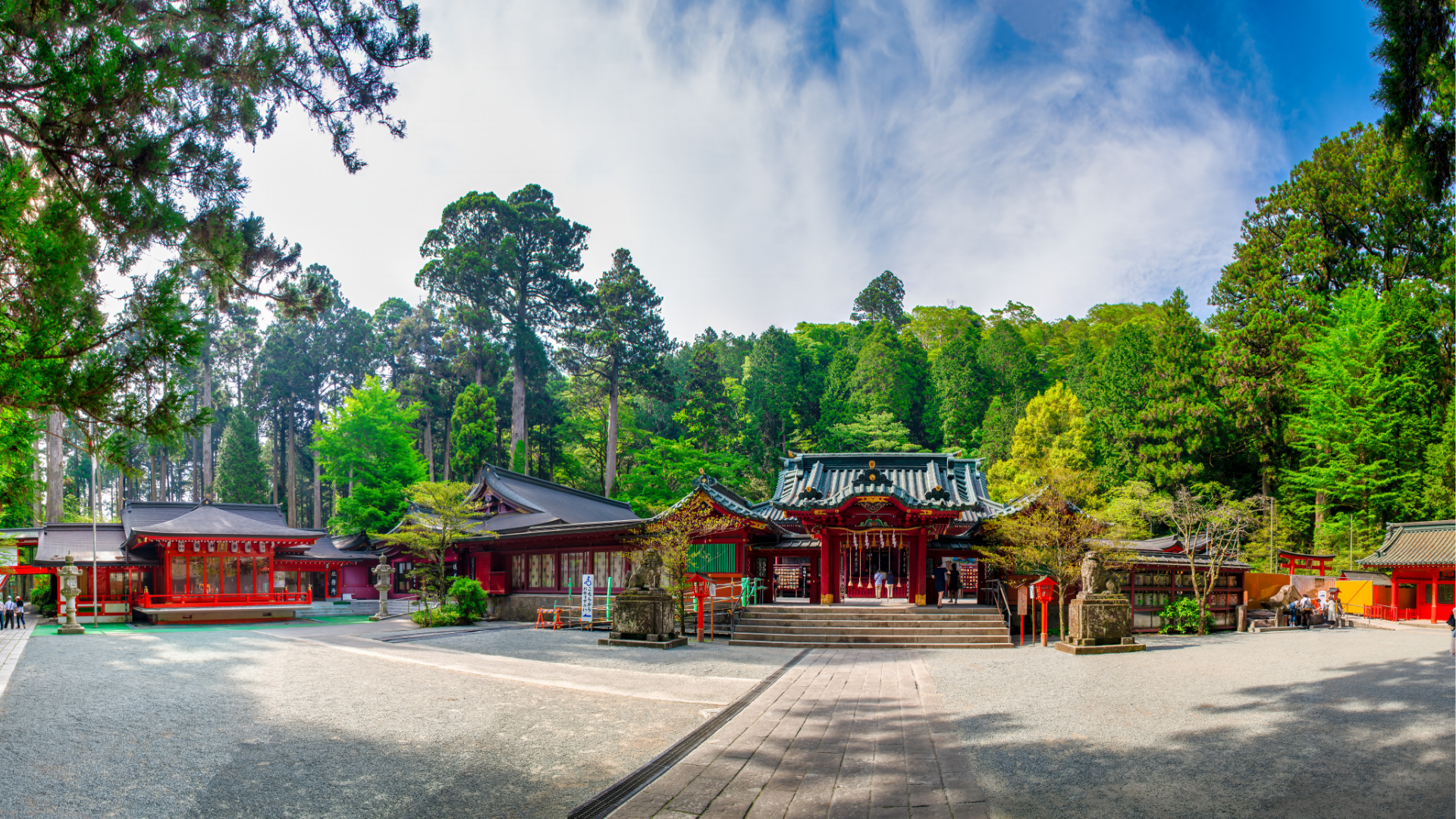
Beyond the Basics: Hidden Food Experiences in Hakone
For travelers who want to dig deeper into Hakone's food scene, consider these lesser-known experiences:
- Soba-making workshops: Several establishments in the Hakone-Yumoto and Gora areas offer hands-on soba-making classes where you can learn to cut and prepare your own noodles under the guidance of a local master.
- Kamaboko-making experience in Odawara: The Suzuhiro Kamaboko Museum in Odawara (a short train ride from Hakone) offers workshops where visitors can shape and grill their own kamaboko.
- Amazake Chaya walk: Hike a portion of the old Tokaido road through the cedar-lined Hakone pass and reward yourself with amazake at the historic teahouse — an experience that connects you with centuries of Edo-period traveler culture.
- Craft beer tasting: Gora Brewery and other small-batch producers offer tasting flights that showcase Hakone's natural water in liquid form.
- Ryokan breakfast: If you stay overnight, the traditional Japanese breakfast — featuring grilled fish, miso soup, pickled vegetables, tamagoyaki (rolled omelet), rice, and nori — is an experience in itself and should not be missed.
Hakone's food scene rewards the curious traveler who ventures beyond the obvious tourist stops. Whether you are savoring a simple black egg on a volcanic mountainside or indulging in a twelve-course kaiseki masterpiece at a centuries-old ryokan, the food in Hakone offers a deeply authentic window into Japanese culinary culture that complements the region's natural beauty and historic charm.
Experience Japan’s Finest JDM Adventures
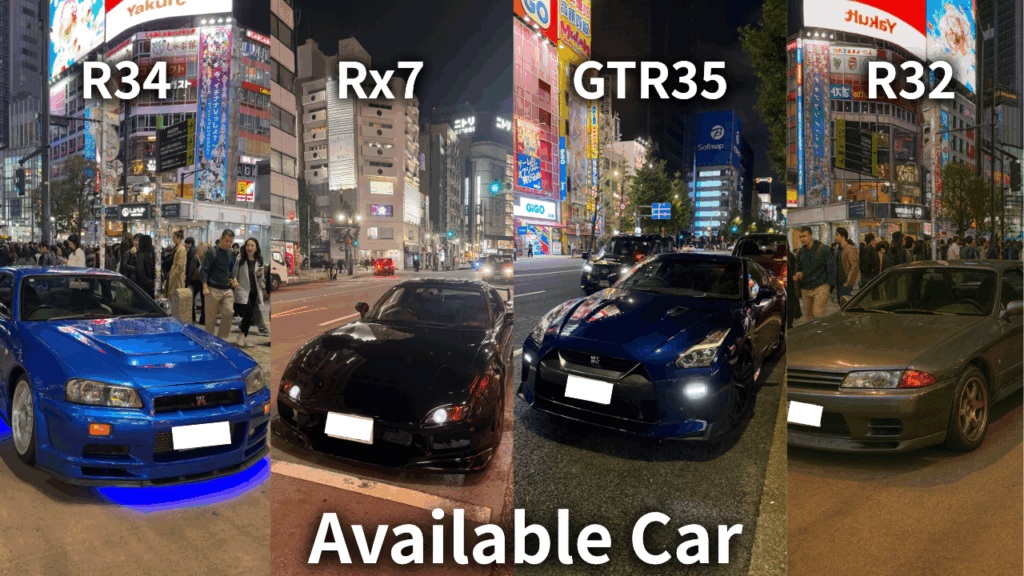
From Daikoku PA tours to JDM sports car rentals and drift experiences, we offer premium driving adventures for visitors who want more than ordinary sightseeing.
Get behind the wheel of iconic machines such as the GT-R, RX-7, and Supra, and experience Japan’s legendary car culture in the most unforgettable way. Whether you want a scenic Tokyo car experience or something more thrilling and immersive, we can guide you to the right plan.
Not sure which experience suits you best? No problem. Message us on WhatsApp and we’ll help you choose the ideal option based on your travel plans, interests, and driving experience.
Popular dates sell out quickly, so we recommend contacting us early.
Customer Reviews
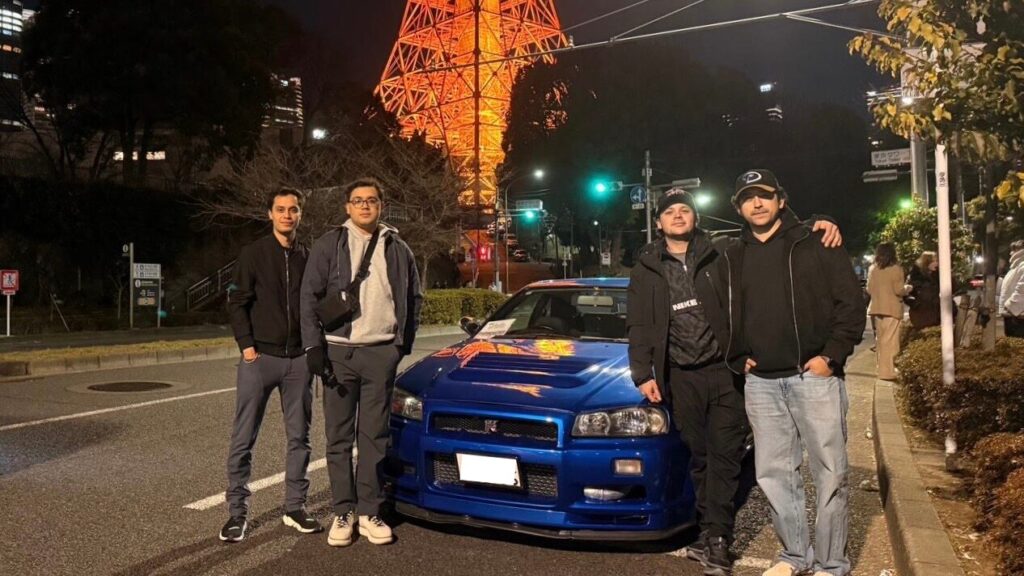
Important Information
- This is a drive tour where you drive your rental car, and our guide navigates from the seat.
- This is a self-drive tour where you drive your rental car, and our guide navigates from the passenger seat.
- The tour begins and ends at the same location (Shibuya).
- If the Daikoku Parking Area is closed, we will instead guide you to another car meet further away.
- The consultant is a cultural expert and navigator, not a taxi service.
