What Is Lake Hakone?
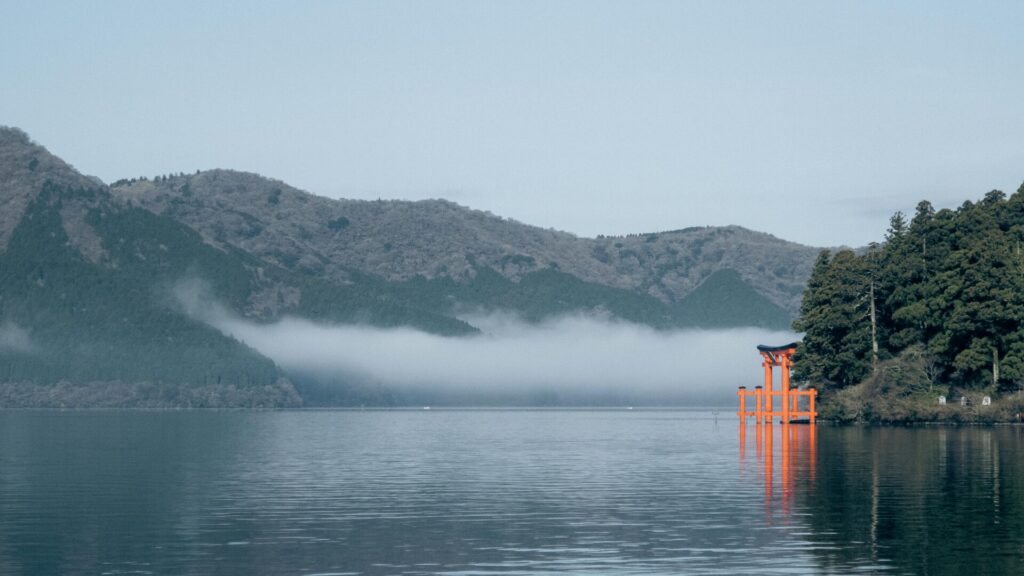
When travelers refer to "Lake Hakone," they are almost always talking about Lake Ashi (芦ノ湖, Ashinoko) — the magnificent caldera lake that sits at the heart of the Hakone region in Kanagawa Prefecture. Formed approximately 3,000 years ago after a volcanic eruption caused part of the mountain to collapse, this crescent-shaped lake stretches roughly 7 kilometers in length and reaches a maximum depth of about 43 meters. It is by far the largest and most famous body of water in the Hakone area, and it serves as the centerpiece of most itineraries through this popular destination southwest of Tokyo.
Lake Hakone — or Lake Ashi — is celebrated for its dramatic natural setting, framed by forested mountains and, on clear days, the iconic silhouette of Mount Fuji rising beyond its southern shore. The lake's historical significance, scenic beauty, and accessible location make it one of the most visited natural attractions in all of Japan.
-

-
Hakone: The Ultimate Travel Guide for 2026 — Hot Springs, Mt. Fuji Views & Scenic Drives
Why Hakone Should Be on Every Japan Traveler's List Hakone is one of the most beloved destinations n ...
続きを見る
Why Lake Ashi Is the Heart of Hakone
Lake Ashi occupies a unique position within the Hakone tourism ecosystem. It is not merely a scenic spot — it is the geographic and experiential hub around which most Hakone sightseeing revolves. The famous Hakone Loop route, which connects trains, cable cars, ropeways, and boats, uses Lake Ashi as a key transit and sightseeing node. Whether you arrive from Togendai on the north shore after descending from Owakudani on the Hakone Ropeway, or from Hakone-machi and Moto-Hakone on the southeastern shore, the lake is essentially unavoidable for anyone exploring the region.
Beyond logistics, Lake Ashi holds deep cultural resonance. The vermillion torii gate of Hakone Shrine, partially submerged at the water's edge, is one of the most photographed scenes in Japan. The Hakone Ekiden relay marathon, broadcast nationally every January, famously concludes and begins legs along the lakeshore. And for centuries, the Tokaido road — the ancient highway between Tokyo and Kyoto — passed through the Hakone checkpoint (Hakone Sekisho) on the lake's shore, making this area a historically significant travel corridor.
Best Viewpoints and Photo Spots Around Lake Hakone
Hakone Shrine Torii Gate
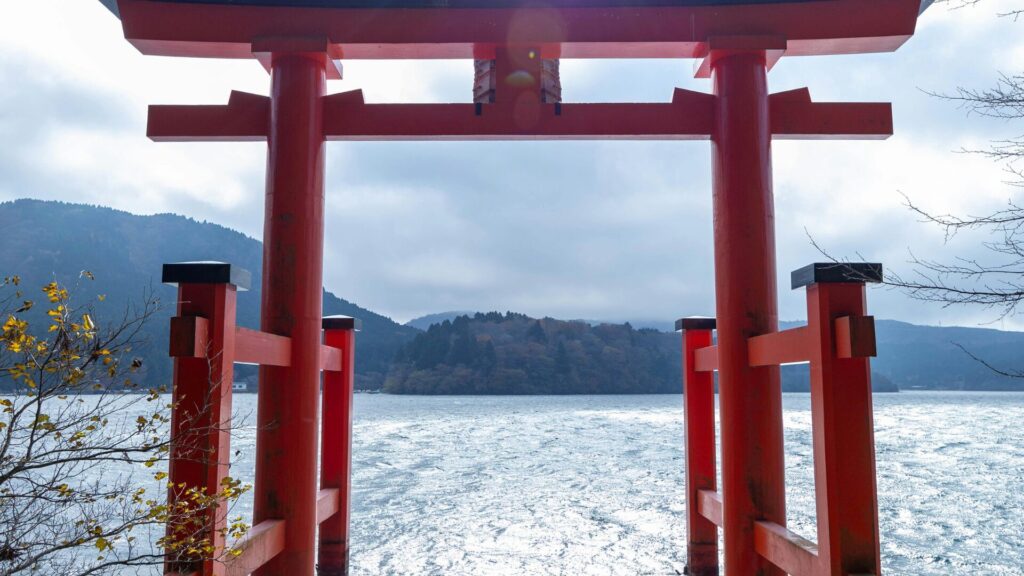
The Heiwa no Torii (Peace Torii) standing at the lake's edge is undoubtedly the single most iconic photo spot. The vermillion gate contrasts beautifully against the deep blue water and the green mountains behind it. Early morning visits (before 8:00 AM) are recommended to avoid long queues, especially on weekends and during peak seasons such as autumn foliage and Golden Week.
Moto-Hakone Waterfront
The promenade along Moto-Hakone offers expansive lake views and is the best place to capture Mount Fuji reflected on the water's surface. Winter mornings between December and February typically provide the clearest skies and the sharpest Fuji views. The old cedar-lined avenue (Suginamiki) leading to Moto-Hakone is also an atmospheric walk that connects history with natural beauty.
-
-
Best Hakone Mt Fuji View Spots: Where to See Fuji from Hakone in 2026
Why Hakone Offers Some of the Best Mt Fuji Views in Japan Hakone sits in a privileged geographic pos ...
続きを見る
Togendai to Hakone-machi by Boat
Riding the Hakone Sightseeing Cruise from Togendai to Hakone-machi (or vice versa) provides continuously shifting perspectives of the lake. On board, you can photograph Fuji, the torii gate, and the surrounding mountains from the water itself — a vantage point impossible to replicate from shore.
Onshi Hakone Park
Located on the small peninsula between Hakone-machi and Moto-Hakone, this former imperial retreat offers arguably the most balanced panoramic view of the lake. The park is free to enter and rarely crowded, making it a hidden gem for photography enthusiasts.
Things to Do on and Around Lake Hakone
Hakone Sightseeing Cruise
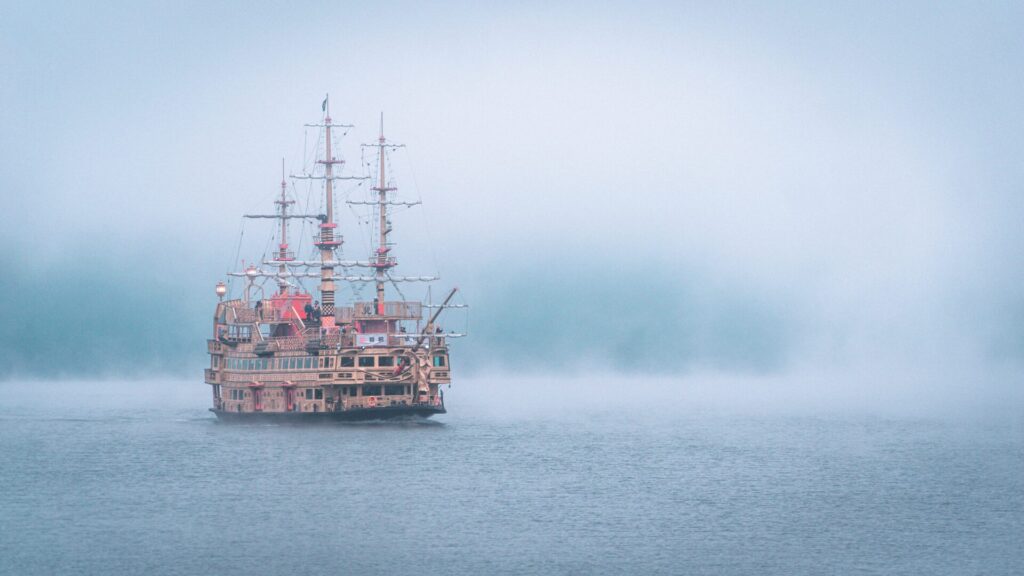
The pirate-ship-style sightseeing cruise is a hallmark Lake Ashi experience. Operated by Odakyu, the vessels connect Togendai Port, Hakone-machi Port, and Moto-Hakone Port. The journey takes approximately 25–30 minutes depending on the route. In 2026, three ships are in operation, including the modernized "Queen Ashinoko." Holders of the Hakone Free Pass can ride without additional charge.
-
-
Hakone Pirate Ship: The Complete Guide to Lake Ashi's Iconic Sightseeing Cruise, 2026 Edition
What Is the Hakone Pirate Ship? The Hakone Pirate Ship — officially known as the Hakone Sightseeing ...
続きを見る

Kayaking and Swan Boats
For a more intimate encounter with the water, rental kayaks and swan-shaped pedal boats are available at several points along the shore, particularly near Moto-Hakone. Kayaking in the early morning — when the lake surface is glassy and mist lingers over the water — is an increasingly popular activity. Sessions typically run 30–60 minutes and cost between ¥1,500 and ¥3,000 per person.
Hakone Shrine and Kuzuryu Shrine
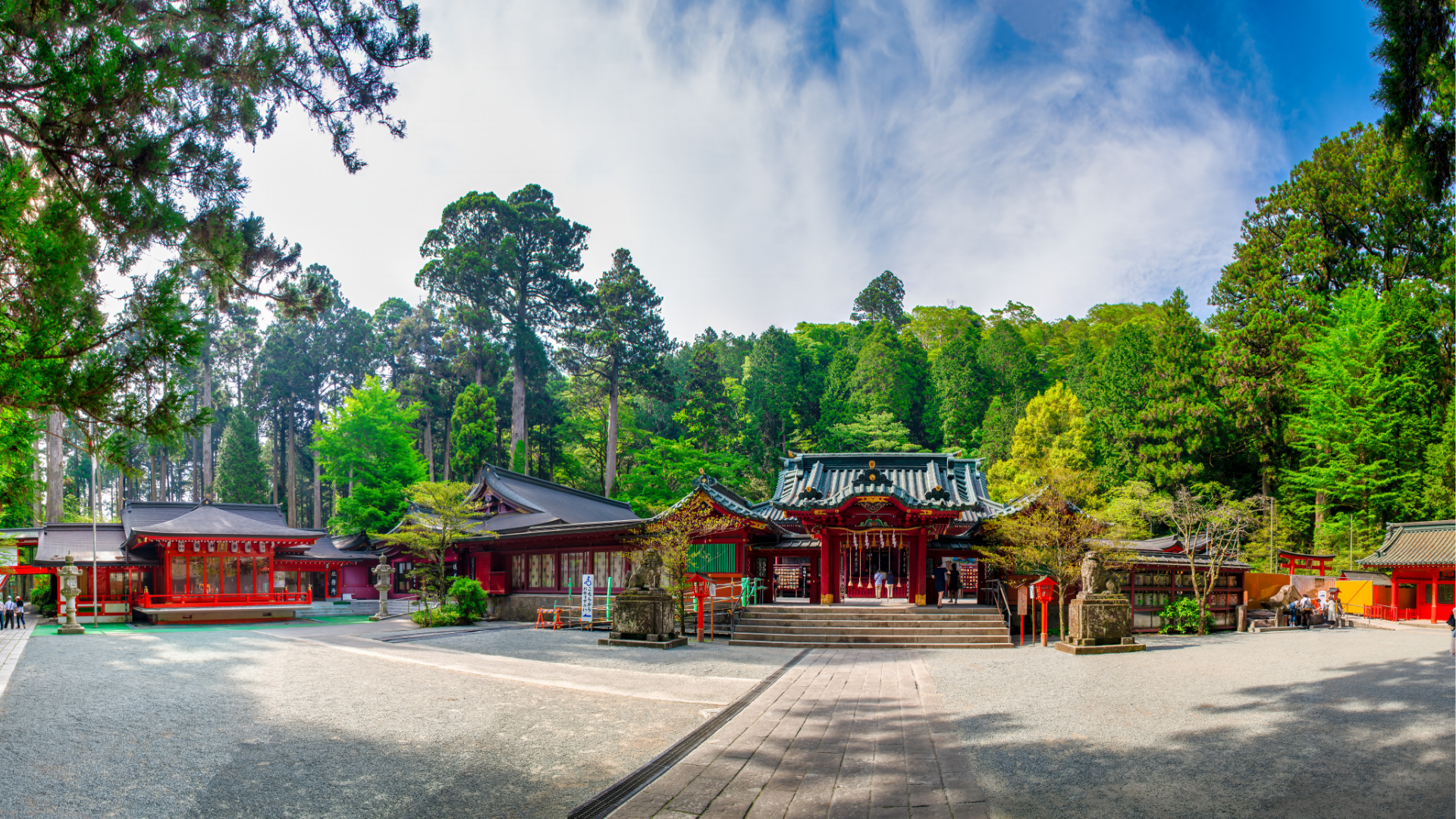
Hakone Shrine, nestled in the forest above the lake's southeastern shore, is one of the most powerful spiritual sites in the Kanto region. Its subsidiary shrine, Kuzuryu Shrine Shingu, sits directly on the lakeside and is dedicated to the nine-headed dragon said to inhabit the lake. Both are easily accessible on foot from Moto-Hakone.
Hakone Sekisho (Checkpoint Museum)
The meticulously reconstructed Edo-period checkpoint near Hakone-machi Port offers a fascinating look at Japan's feudal travel restrictions. The adjacent museum explains how the Tokugawa shogunate controlled movement along the Tokaido road. Entry costs ¥500 for adults.
Fishing on Lake Ashi
Lake Ashi is renowned among Japanese anglers for its black bass and trout fishing. Fishing permits are required and can be purchased at local shops near the ports. Boat rental with fishing equipment is available, though most services cater primarily to Japanese-speaking visitors. The fishing season runs roughly from March through November.
Best Time to Visit Lake Hakone

Each season paints Lake Ashi in a different light, and the "best" time depends on your priorities.
- Spring (April–May): Cherry blossoms frame the lakeshore, and temperatures are mild. Late April is peak sakura season around the lake, slightly later than Tokyo due to Hakone's elevation.
- Summer (June–August): Lush greenery dominates, and the hydrangea-lined roads approaching the lake are spectacular in June. However, summer brings higher humidity and frequent rain, and Fuji is often hidden behind clouds.
- Autumn (Late October–November): The most popular season. The mountains surrounding the lake explode in red, orange, and gold. This is also the most crowded period, so weekday visits are strongly recommended.
- Winter (December–February): The clearest skies and best Mount Fuji visibility. Tourist numbers drop significantly, and the atmosphere is peaceful. Temperatures hover around 0–5°C, so warm clothing is essential.
How to Get to Lake Hakone from Tokyo
By Train and Bus
The most common route is to take the Odakyu Romance Car from Shinjuku Station to Hakone-Yumoto (approximately 85 minutes, around ¥2,330 with reserved seat). From Hakone-Yumoto, you can transfer to the Hakone Tozan Bus bound for Moto-Hakone or Hakone-machi, which takes about 35–40 minutes and drops you directly at the lakeshore. Alternatively, following the full Hakone Loop route via the switchback railway, cable car, and ropeway brings you to Togendai Port on the northern shore.
By Car
Driving from central Tokyo to Lake Ashi takes approximately 1.5 to 2 hours via the Tomei Expressway and Odawara-Atsugi Road, exiting at Hakone-guchi. Having a car provides significant flexibility for exploring multiple lakeside viewpoints, visiting nearby attractions like Owakudani or the Hakone Open-Air Museum on your own schedule, and combining the trip with a stop at Gotemba Premium Outlets on the way back. Parking is available at several lots near Moto-Hakone and Hakone-machi, with rates typically between ¥500 and ¥1,000 per visit.
-

-
Rent a Car Tokyo to Hakone Onsen: Complete Driving Guide for Visitors
Why Drive from Tokyo to Hakone Onsen? Renting a car gives you door‑to‑door access to hot spring town ...
続きを見る
Hakone Free Pass
If you plan to use the full Hakone Loop (train, bus, cable car, ropeway, and sightseeing cruise), the Hakone Free Pass offers excellent value. Priced at ¥6,100 for a 2-day pass from Shinjuku (2026 pricing), it covers unlimited use of most Hakone transportation and includes discounts at select museums and hot springs.
Lake Hakone Compared to Other Lakes Near Tokyo
Japan's Kanto region offers several beautiful lakes within day-trip distance of Tokyo, and understanding the differences can help you choose the right destination.
- Lake Ashi (Lake Hakone): The most accessible and tourism-infrastructure-rich option. Ideal for first-time visitors who want a complete package of nature, culture, hot springs, and dining in one area.
- Lake Kawaguchiko: Part of the Fuji Five Lakes and arguably offers even more direct and dramatic views of Mount Fuji. However, it lacks the historical and cultural depth that Hakone's lakeside shrines and museums provide.
- Lake Chuzenji (Nikko): Higher in elevation and more remote-feeling. Stunning in autumn but requires a longer journey from Tokyo. The Irohazaka switchback road leading to it is itself a notable attraction.
For travelers with limited time, Lake Hakone's combination of scenic beauty, cultural sites, onsen, and excellent transport links makes it the most well-rounded choice for a Tokyo day trip or overnight excursion.
Nearby Attractions to Combine with Lake Hakone
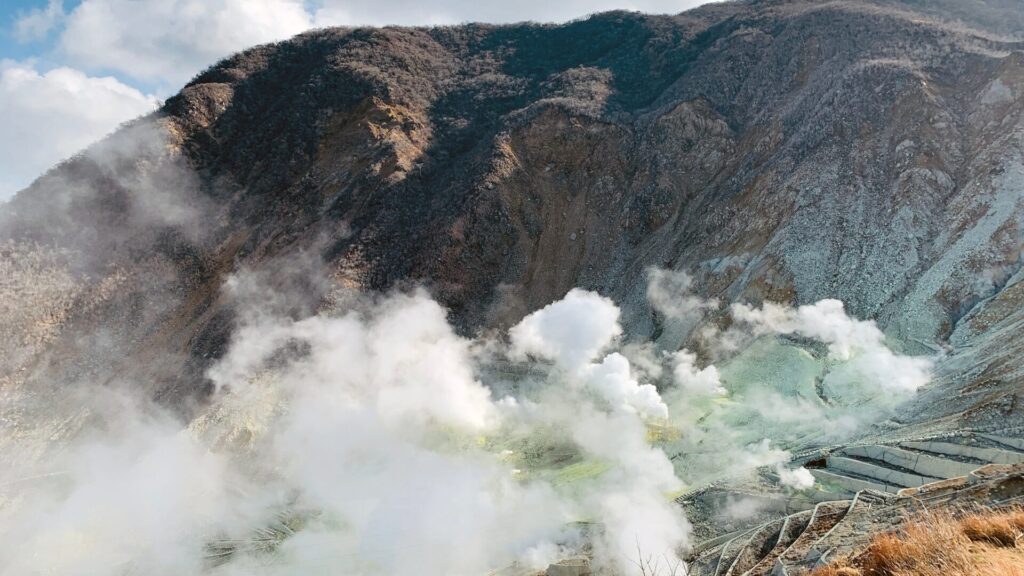
A visit to Lake Ashi pairs naturally with several other Hakone highlights, especially if you have a full day or plan to stay overnight.
- Owakudani: The volcanic valley with its famous sulfurous hot springs and black eggs is connected to the lake via the Hakone Ropeway. The aerial views during the descent to Togendai are spectacular.
- Hakone Open-Air Museum: One of Japan's finest outdoor sculpture parks, located along the Hakone Tozan Railway line between Chokoku-no-Mori and Gora stations.
- Gora and Hakone Hot Springs: The Gora area on the mountainside above the lake is home to numerous ryokan and onsen facilities, many offering private baths with views of the surrounding mountains.
- Fuji Speedway: Located approximately 30 minutes by car from the lake's western shore, motorsport enthusiasts can combine a lake visit with Japan's iconic racing circuit.
-
-
Hakone Japan Onsen Guide: Best Hot Springs, Etiquette & Where to Soak in 2026
Why Hakone Is Japan's Premier Onsen Destination Nestled in the mountainous terrain of Kanagawa Prefe ...
続きを見る
Practical Tips for Visiting Lake Hakone in 2026
- Weather preparedness: Hakone's mountain weather is unpredictable. Even on days that start sunny, fog and rain can roll in quickly. Always carry a compact umbrella or rain jacket.
- Crowds: The lake area around Moto-Hakone and Hakone-machi can become extremely congested during autumn weekends and national holidays. Arriving early (before 9:00 AM) or visiting on weekdays makes a significant difference.
- Currency: While card payment acceptance has improved throughout Japan, some smaller lakeside shops, boat rental operators, and parking lots still prefer cash. Carry sufficient yen.
- Photography: For the best Mount Fuji photos from the lake, target mornings between November and February. A telephoto lens (70–200mm equivalent) helps compress the distance between the torii gate and Fuji for dramatic compositions.
- Accessibility: Most port areas and the sightseeing cruise ships are wheelchair accessible. However, trails around Hakone Shrine involve steep stone steps that may be challenging for those with mobility limitations.
Lake Hakone After Dark
While most visitors experience the lake during daylight hours, staying overnight in a lakeside ryokan or hotel reveals a quieter, more contemplative side of Lake Ashi. After the last sightseeing cruise departs (typically around 5:00 PM), the shore empties and the lake takes on a serene, almost mystical quality. Some accommodations in Hakone-machi and Moto-Hakone offer rooms with direct lake views, allowing guests to watch the moonlight shimmer across the water while soaking in a private onsen.
Special illumination events are occasionally held at Hakone Shrine and along the lakeshore during summer festivals and New Year's. Checking the local tourism website before your trip is recommended to catch any seasonal evening events.
Experience Japan’s Finest JDM Adventures
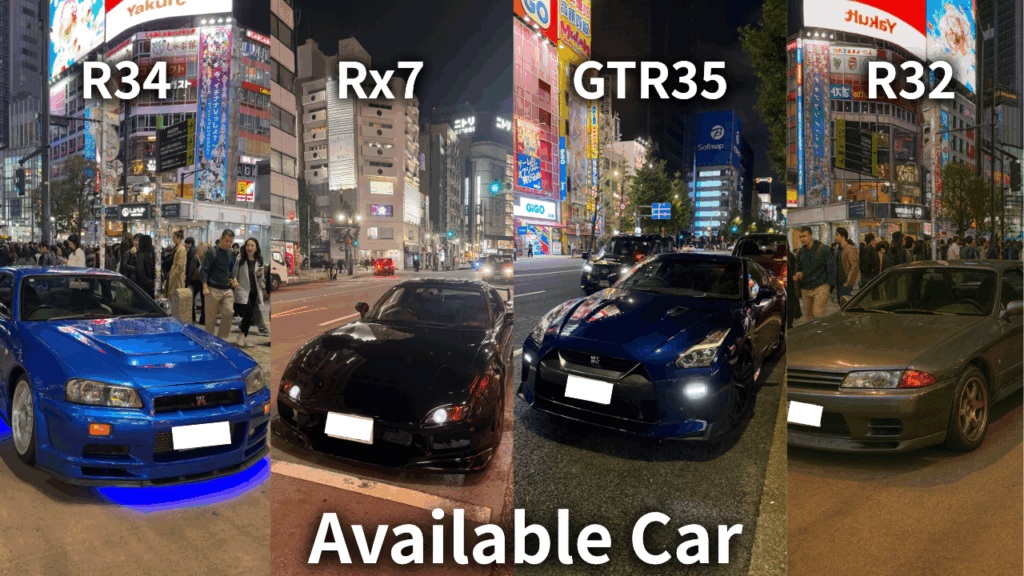
From Daikoku PA tours to JDM sports car rentals and drift experiences, we offer premium driving adventures for visitors who want more than ordinary sightseeing.
Get behind the wheel of iconic machines such as the GT-R, RX-7, and Supra, and experience Japan’s legendary car culture in the most unforgettable way. Whether you want a scenic Tokyo car experience or something more thrilling and immersive, we can guide you to the right plan.
Not sure which experience suits you best? No problem. Message us on WhatsApp and we’ll help you choose the ideal option based on your travel plans, interests, and driving experience.
Popular dates sell out quickly, so we recommend contacting us early.
Customer Reviews
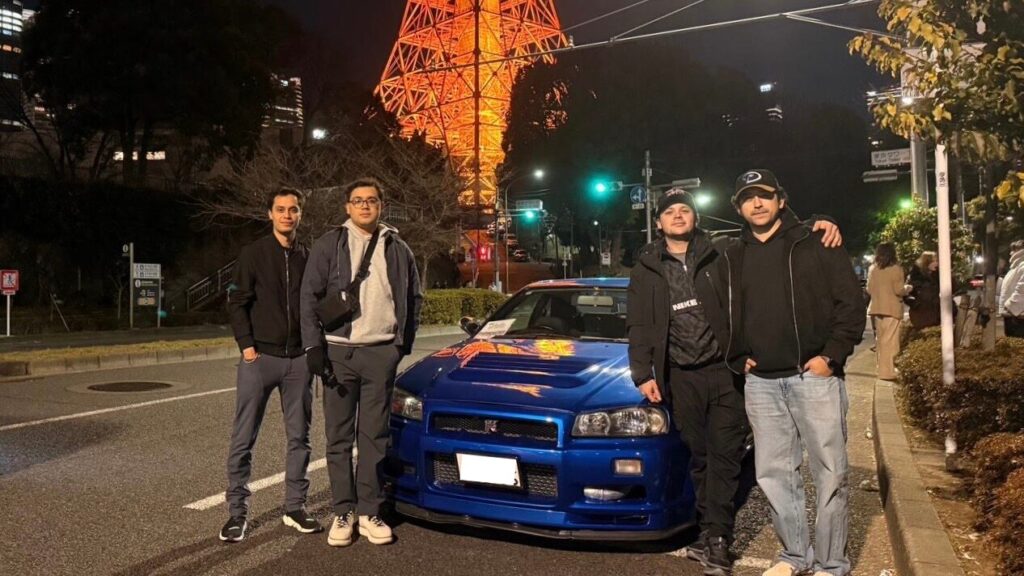
Important Information
- This is a drive tour where you drive your rental car, and our guide navigates from the seat.
- This is a self-drive tour where you drive your rental car, and our guide navigates from the passenger seat.
- The tour begins and ends at the same location (Shibuya).
- If the Daikoku Parking Area is closed, we will instead guide you to another car meet further away.
- The consultant is a cultural expert and navigator, not a taxi service.
