Why Hakone Is the Ultimate Driving Destination Near Tokyo
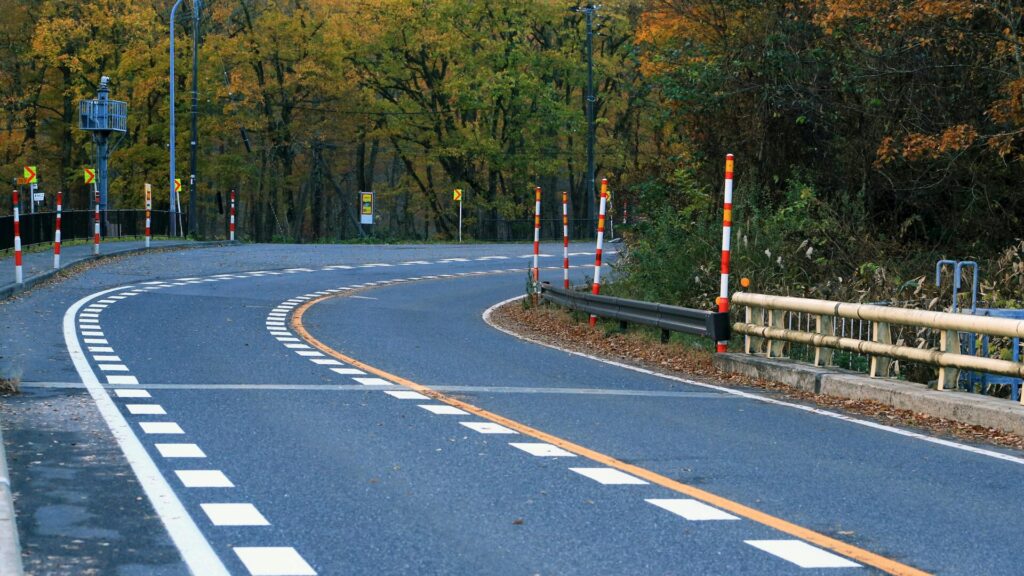
Hakone sits roughly 80 kilometers southwest of Tokyo, nestled within the caldera of a dormant volcanic complex. For driving enthusiasts, the region is nothing short of paradise: sweeping mountain passes, dramatic elevation changes, volcanic valleys, and world-class lake scenery converge in a compact area that can be explored thoroughly in a single day—or savored over an overnight trip. The ultimate Hakone drive combines purpose-built toll roads, historic mountain passes, and lakeside stretches that rival any driving route in Japan.
What elevates Hakone above other day-trip destinations is the sheer variety of road types packed into a small geographic area. Within an hour of driving, you can transition from a high-speed toll road with banked corners to a narrow cedar-lined trail that dates back to the Edo period. Whether you are behind the wheel of a sports car or a standard rental, these roads reward attentive, engaged driving.
-

-
Hakone: The Ultimate Travel Guide for 2026 — Hot Springs, Mt. Fuji Views & Scenic Drives
Why Hakone Should Be on Every Japan Traveler's List Hakone is one of the most beloved destinations n ...
続きを見る
Getting From Tokyo to Hakone by Car
The most common starting point is central Tokyo. Take the Tomei Expressway (東名高速道路) westbound to the Atsugi Interchange, then merge onto the Odawara-Atsugi Road heading south toward Odawara. From Odawara, Route 1 (the historic Tokaido Road) climbs directly into Hakone. The total distance is approximately 90–100 kilometers depending on your exact starting point, and the drive typically takes 90 minutes to two hours under normal traffic conditions.
Tips for Departure Timing
Tokyo-area expressways are notorious for weekend congestion, particularly at the Tomei Expressway's Ebina and Yamato toll plazas. To enjoy an unencumbered ultimate Hakone drive, depart before 7:00 AM on weekdays or before 6:30 AM on weekends. An early departure also gives you the best light for photography at Owakudani and Lake Ashi, and you will arrive before the tour buses crowd parking areas.
Hakone Turnpike: The Crown Jewel for Drivers
No article about the ultimate Hakone drive is complete without a thorough look at the Hakone Turnpike (ANEST IWATA Turnpike Hakone). This privately operated toll road stretches approximately 15 kilometers from the foothills near Odawara up to Daikanyama in the mountains above Lake Ashi. It is widely regarded as one of the best driving roads in the entire Kanto region.
Road Characteristics
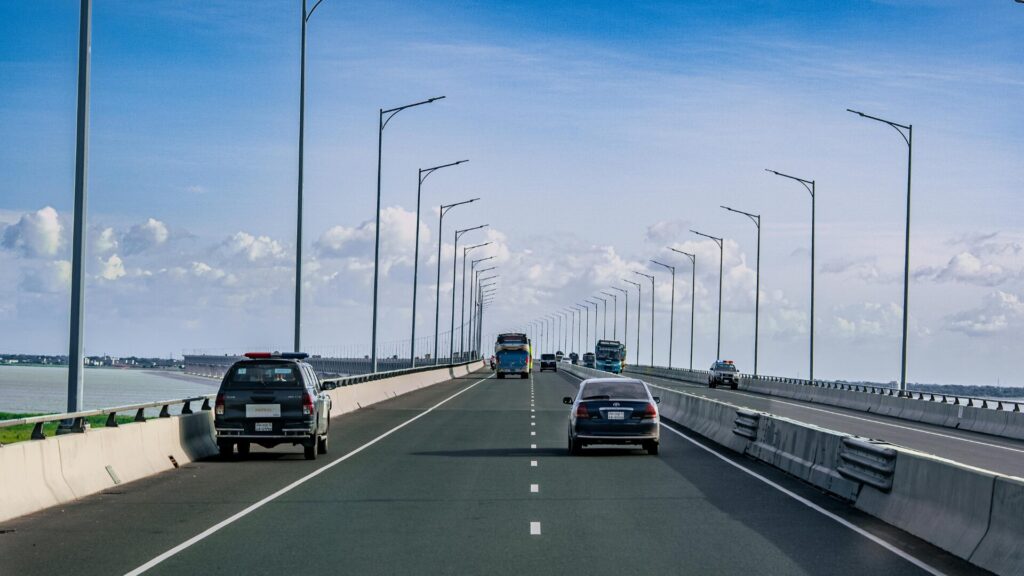
- Surface quality: Impeccably maintained asphalt with clear lane markings throughout.
- Elevation gain: Roughly 700 meters from the Odawara entrance to the summit observation deck.
- Corner profile: Medium-to-wide-radius sweepers dominate, punctuated by a few tighter hairpins. The road rewards smooth inputs rather than aggressive driving.
- Traffic: Significantly lighter than public roads since a toll is required (around ¥730 for standard vehicles in 2026).
- Viewpoints: The Daikanyama rest area at the top offers a panoramic view of Sagami Bay and, on clear days, an unobstructed vista of Mount Fuji.
The Hakone Turnpike is frequently used by Japanese automotive media for photoshoots and test drives—testament to its reputation as a world-class touge (mountain pass) road.
-
-
Hakone Turnpike: Japan's Most Scenic Toll Road for Driving Enthusiasts in 2026
What Is the Hakone Turnpike? The Hakone Turnpike (箱根ターンパイク), officially known as the TOYO TIRES Turn ...
続きを見る

Hakone Skyline and Ashinoko Skyline
Beyond the turnpike, two additional toll roads complete the trifecta of premium Hakone driving routes. The Hakone Skyline runs along the ridgeline of the outer caldera rim, offering commanding views of both the Pacific coastline and the interior volcanic landscape. The Ashinoko Skyline continues southward, hugging the western shore above Lake Ashi.
Together, these two roads add approximately 20 kilometers of driving that feels distinctly different from the turnpike. The Skyline roads are narrower, more exposed to wind, and feature tighter sequences of corners. Elevation hovers around 800–1,000 meters, and during autumn (late October to mid-November) the surrounding forests explode with red and gold foliage.
Suggested Combination Route
A rewarding loop combines all three toll roads: ascend via the Hakone Turnpike from Odawara, connect to the Hakone Skyline heading south, then descend via the Ashinoko Skyline to the shores of Lake Ashi. This creates a continuous stretch of roughly 35 kilometers of premium mountain driving without retracing your path.
Route 1 Tokaido and the Old Cedar Avenue
For a change of pace, the free public roads in Hakone offer their own character. Route 1 follows the historic Tokaido highway and features tight switchbacks as it climbs from Hakone-Yumoto toward Hakone Checkpoint (Hakone Sekisho). Sections of this road are narrow and shared with buses, so patience is essential—but the atmosphere is unmatched.
Near the summit, look for the old cedar avenue (Sugi-namiki), a stretch of towering Japanese cedars that line both sides of the road. Planted in the early 1600s, these trees create a dramatic natural tunnel. Driving through at low speed on a misty morning is one of the most atmospheric experiences Hakone offers.
-
-
Walking the Old Tokaido Road in Hakone: A Complete Guide to Japan's Historic Highway
What Is the Old Tokaido Road in Hakone? The Old Tokaido Road — known in Japanese as Kyū Tōkaidō (旧東海 ...
続きを見る

Scenic Stops Along the Ultimate Hakone Drive

The best Hakone drives are not just about the roads themselves—they are about what you encounter along the way. Here are the essential stops to build into your route.
Owakudani Volcanic Valley
Owakudani is the active volcanic zone within the Hakone caldera, featuring sulfur vents, boiling pools, and the famous black eggs (kuro-tamago). A parking area sits at the top of the valley, and on clear days the juxtaposition of volcanic steam against Mount Fuji's snowcapped peak is extraordinary. Arrive early to avoid the crowds that descend after the ropeway starts running.
Lake Ashi Viewpoints
Several pull-off areas along the Ashinoko Skyline and Route 75 provide elevated views of Lake Ashi with the vermillion torii gate of Hakone Shrine visible in the distance. For the classic postcard shot of the pirate ship crossing the lake with Mount Fuji behind it, position yourself at the Moto-Hakone lakeside parking area.
Gora and Sounzan
The mountain village of Gora makes a natural rest stop. Park and stretch your legs along the main street, sample local sweets, or visit the Hakone Museum of Art with its serene moss garden. From Gora, the road continues to Sounzan, where the Hakone Ropeway departs toward Owakudani.
Hakone Shrine
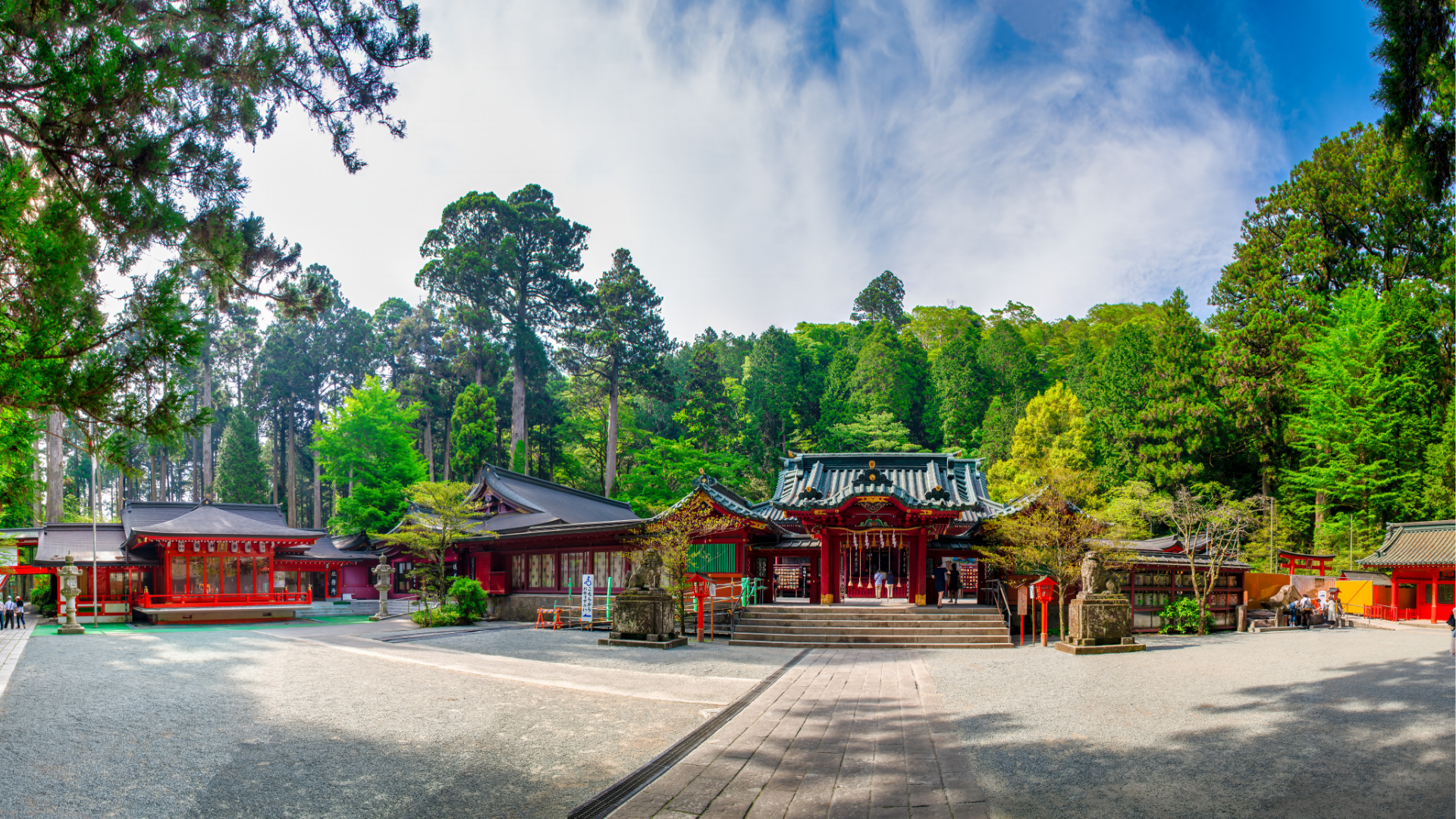
The lakeside torii gate of Hakone Shrine is one of the most photographed spots in the Kanto region. A short detour to Moto-Hakone allows you to visit the shrine grounds and walk the ancient stone steps that descend to the water's edge.
Best Seasons for a Hakone Drive

Each season transforms the Hakone driving experience:
- Spring (March–May): Cherry blossoms frame the lower elevations in April, while fresh green foliage emerges on the mountain roads. Roads are relatively clear, and visibility is often excellent.
- Summer (June–August): The rainy season (tsuyu) in June brings fog and wet roads—atmospheric but demanding. July and August offer lush greenery and cooler mountain temperatures compared to Tokyo.
- Autumn (October–November): Peak foliage season. The toll roads become living tunnels of color. This is arguably the most visually spectacular time for the ultimate Hakone drive, though weekend traffic increases significantly.
- Winter (December–February): Colder temperatures mean clearer skies and the highest probability of seeing Mount Fuji. Some road sections may close temporarily due to ice, and winter tires or chains may be required on higher passes.
-
-
Hakone in Winter 2026: A Complete Guide to Hot Springs, Snow Views & Seasonal Magic
Why Visit Hakone in Winter? Hakone in winter is one of Japan's most enchanting seasonal experiences. ...
続きを見る

Practical Driving Tips for Hakone in 2026
Tolls and Payment
The Hakone Turnpike, Hakone Skyline, and Ashinoko Skyline each charge separate tolls. Combined, expect to pay approximately ¥2,000–¥2,500 in toll fees for the full loop. An ETC card streamlines payment, though cash lanes are available at all toll booths.
Fuel and Charging
Fill up before entering Hakone, as gas stations within the caldera are limited and tend to charge premium prices. If driving an EV or hybrid, note that charging infrastructure in central Hakone is still sparse in 2026; plan your charge level accordingly.
Parking
Popular spots like Owakudani and Moto-Hakone have dedicated parking lots, but they fill quickly on weekends and holidays. Arriving before 9:00 AM is essential for securing a spot without circling. Most lots charge between ¥500 and ¥1,000.
Speed and Safety
Japanese speed limits on mountain roads are strictly enforced, typically 40–60 km/h depending on the section. The toll roads allow slightly higher limits but remain well-patrolled. Enjoy the corners within legal limits—the road design is inherently rewarding even at moderate speeds. Watch for motorcycles, cyclists, and tour buses, especially on narrower public roads.
Extending the Drive: Hakone to Fuji Speedway or Izu
If the core Hakone loop leaves you wanting more seat time, two excellent extensions are available. To the north, Fuji Speedway sits roughly 30 minutes from the Hakone area and offers track experiences for those craving high-speed driving. To the south, descending from Hakone through Atami leads to the stunning Izu Peninsula coast road, where ocean views and onsen towns await.
-

-
Rent a Car Tokyo to Hakone Onsen: Complete Driving Guide for Visitors
Why Drive from Tokyo to Hakone Onsen? Renting a car gives you door‑to‑door access to hot spring town ...
続きを見る
Sample Itinerary: The Complete Ultimate Hakone Drive
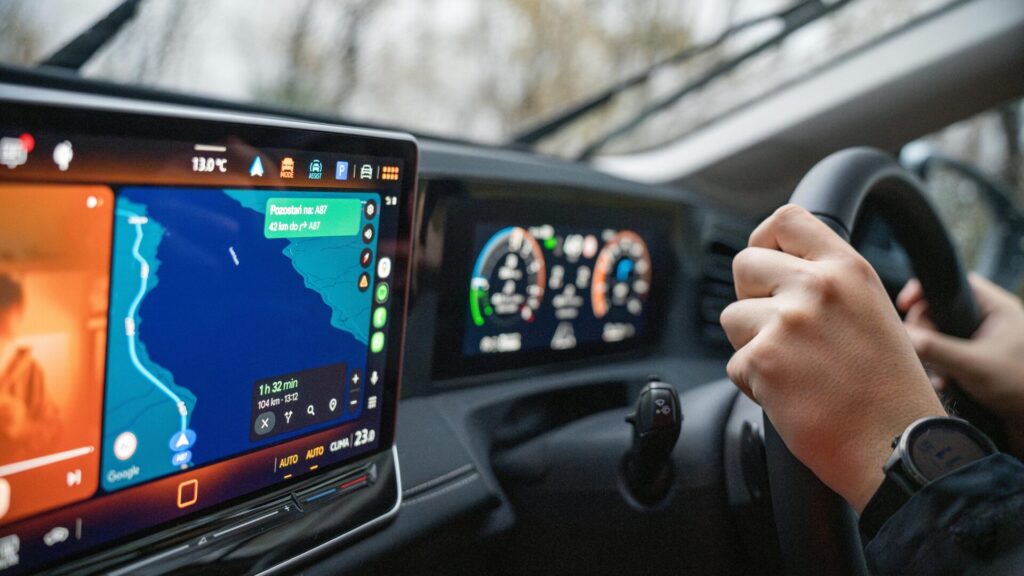
Here is a suggested full-day itinerary that maximizes both driving pleasure and sightseeing:
- 6:30 AM: Depart Tokyo via the Tomei Expressway.
- 8:00 AM: Arrive at the Odawara entrance of the Hakone Turnpike. Ascend to Daikanyama for Mount Fuji views.
- 9:00 AM: Continue along the Hakone Skyline and Ashinoko Skyline. Stop at viewpoints along the ridge.
- 10:00 AM: Descend to Lake Ashi. Visit Hakone Shrine and the lakeside torii gate.
- 11:30 AM: Drive to Owakudani via Route 75. Walk the volcanic trail and try the famous black eggs.
- 1:00 PM: Lunch in Gora or Hakone-Yumoto. Sample local specialties such as tofu kaiseki or Hakone-style soba.
- 2:30 PM: Optional detour to the Old Tokaido cedar avenue or Hakone Open-Air Museum.
- 4:00 PM: Depart Hakone via Route 1, descending to Odawara.
- 4:30 PM: Return to Tokyo via the Tomei Expressway, arriving before evening rush hour.
For those with more time, spending a night in a Hakone ryokan with a private onsen turns this day trip into a deeply restorative overnight escape. An evening soak in mineral-rich hot spring water, followed by a morning drive through mist-shrouded mountain roads, is an experience that elevates the journey from excellent to unforgettable.
What Makes This the Ultimate Hakone Drive
Hakone earns the title of "ultimate drive" not because of any single element, but because of how many elements converge in such a compact area. World-class toll roads with racing-caliber surfaces. Volcanic landscapes found nowhere else this close to a major city. Lake views framed by ancient shrines. Cedar-lined paths that have carried travelers for over four centuries. And hovering above it all, the ever-present silhouette of Mount Fuji.
For those who love driving, Hakone offers something increasingly rare: roads that are genuinely fun to drive at legal speeds. The corners are well-sighted, the gradients are engaging, and the scenery changes with every switchback. It is one of those rare destinations where the journey itself is the primary attraction—and the destination simply makes it even better.
Experience Japan’s Finest JDM Adventures
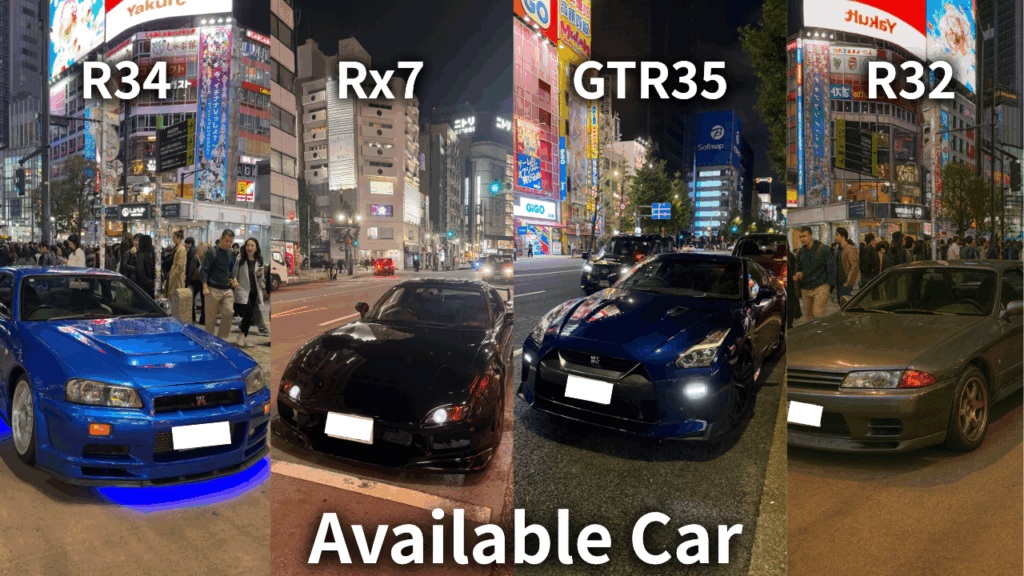
From Daikoku PA tours to JDM sports car rentals and drift experiences, we offer premium driving adventures for visitors who want more than ordinary sightseeing.
Get behind the wheel of iconic machines such as the GT-R, RX-7, and Supra, and experience Japan’s legendary car culture in the most unforgettable way. Whether you want a scenic Tokyo car experience or something more thrilling and immersive, we can guide you to the right plan.
Not sure which experience suits you best? No problem. Message us on WhatsApp and we’ll help you choose the ideal option based on your travel plans, interests, and driving experience.
Popular dates sell out quickly, so we recommend contacting us early.
Customer Reviews
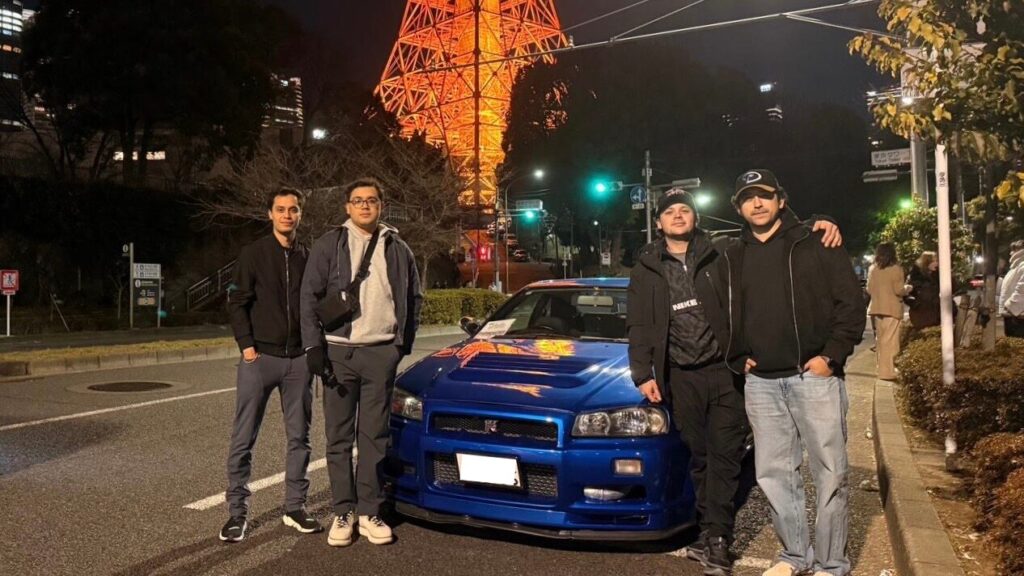
Important Information
- This is a drive tour where you drive your rental car, and our guide navigates from the seat.
- This is a self-drive tour where you drive your rental car, and our guide navigates from the passenger seat.
- The tour begins and ends at the same location (Shibuya).
- If the Daikoku Parking Area is closed, we will instead guide you to another car meet further away.
- The consultant is a cultural expert and navigator, not a taxi service.
