What Is the Hakone Sightseeing Cruise?
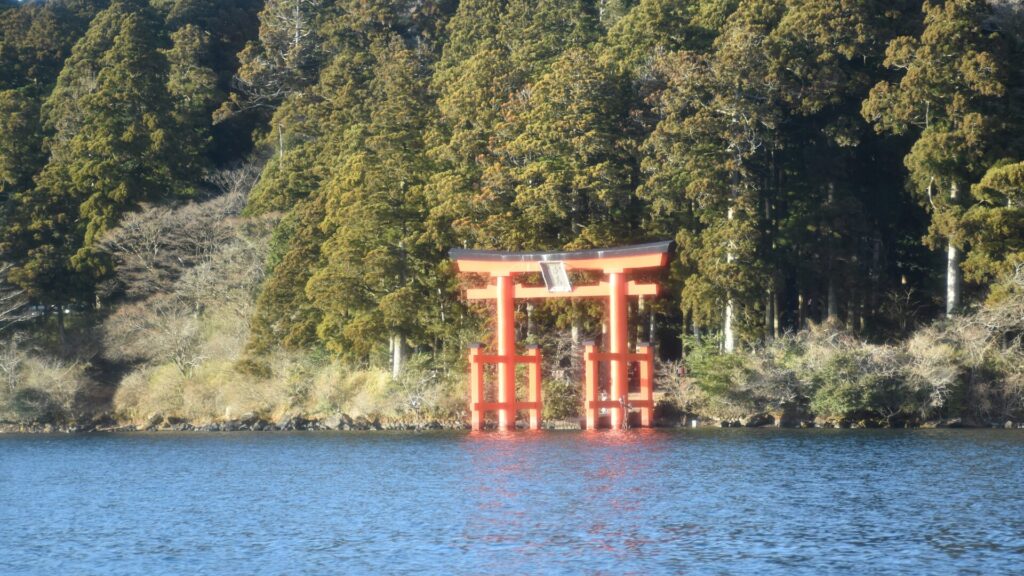
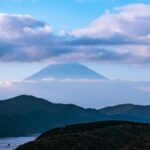
The Hakone Sightseeing Cruise is one of the most iconic experiences in the Hakone area, offering visitors a scenic boat ride across Lake Ashi (Ashinoko) with stunning views of Mount Fuji, the surrounding Hakone mountains, and the vermilion torii gate of Hakone Shrine rising from the water. Operated by Odakyu Group's Hakone Sightseeing Cruise company, the service runs pirate-ship-style vessels that have become a symbol of Hakone tourism. Whether you are visiting Hakone for a day trip from Tokyo or spending a weekend exploring the region, the sightseeing cruise is an essential part of any itinerary.
-

-
Hakone: The Ultimate Travel Guide for 2026 — Hot Springs, Mt. Fuji Views & Scenic Drives
Why Hakone Should Be on Every Japan Traveler's List Hakone is one of the most beloved destinations n ...
続きを見る
Hakone Sightseeing Cruise Routes and Ports
The cruise operates between three ports along Lake Ashi, forming a triangular route that connects key sightseeing areas in Hakone. Understanding the route is essential for planning an efficient visit.
Togendai Port
Togendai is the northernmost port and serves as the primary gateway for visitors arriving via the Hakone Ropeway from Owakudani or by bus from Hakone-Yumoto Station. This is the most popular boarding point for the sightseeing cruise and connects seamlessly with Hakone's broader transportation loop.
Hakone-machi Port
Located on the southern shore, Hakone-machi Port is close to the Hakone Checkpoint (Hakone Sekisho), the reconstructed Edo-period barrier station. From here, you can walk to the Cedar Avenue of the Old Tokaido Road, a beautiful tree-lined path that dates back centuries. This port is ideal for visitors who want to explore Hakone's historical attractions.
Moto-Hakone Port
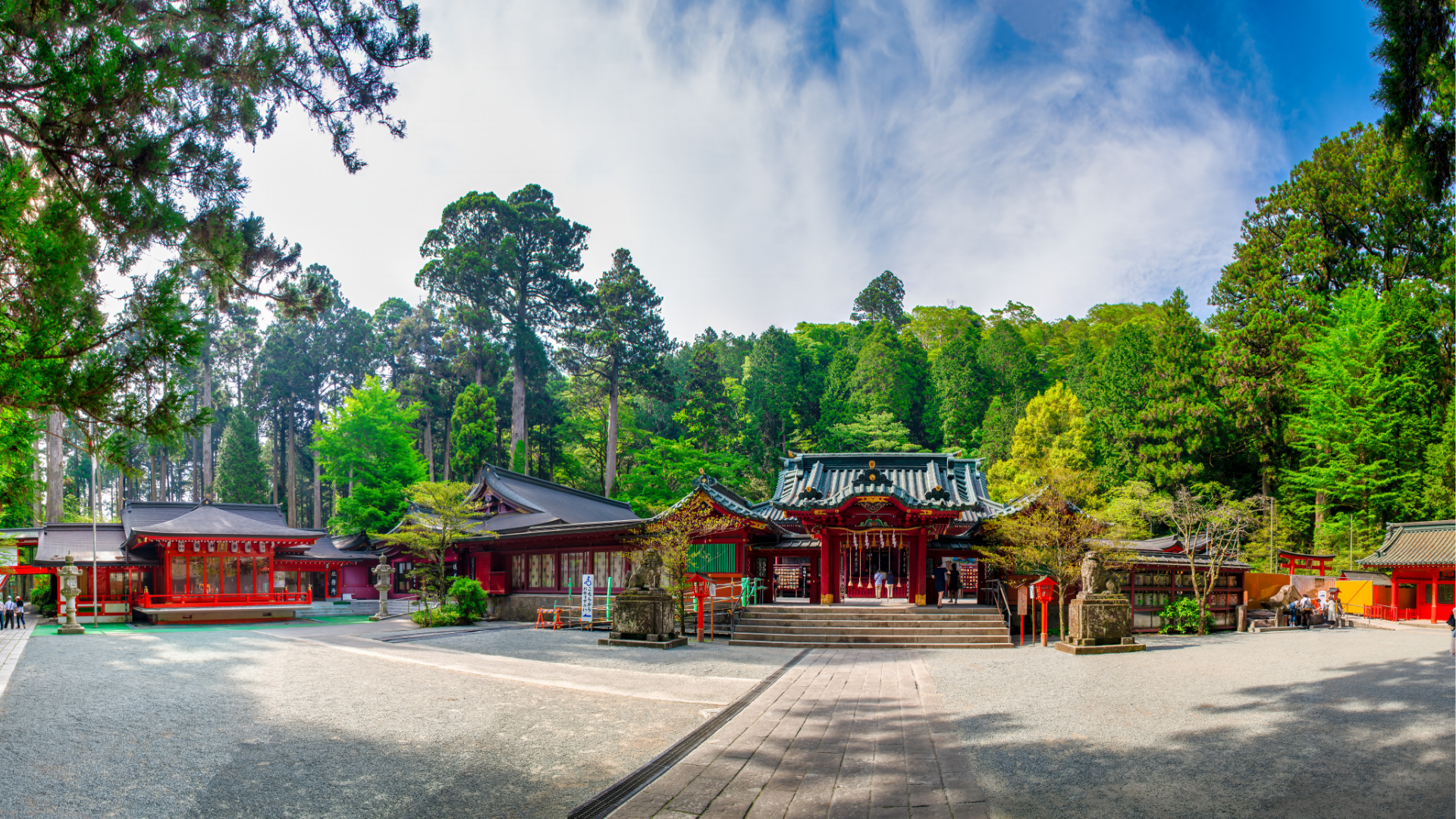
Moto-Hakone Port sits near the famous Hakone Shrine and its waterside torii gate. Disembarking here puts you within a short walk of the shrine, making it the best stop for those who want to photograph the iconic red gate reflected in the lake. Several lakeside cafes and souvenir shops are also located nearby.
Standard Route and Travel Times
The full route from Togendai to Hakone-machi takes approximately 25–30 minutes, and from Hakone-machi to Moto-Hakone is roughly 10 minutes. The return trip from Moto-Hakone to Togendai also takes about 25–30 minutes. Most visitors ride one full leg of the cruise between Togendai and Hakone-machi or Moto-Hakone, exploring the attractions at each port before continuing their journey.
Hakone Sightseeing Cruise Fares in 2026
The fare structure for the Hakone Sightseeing Cruise is straightforward. Below are the standard one-way fares for 2026 (subject to change; always confirm on the official website before your visit):
- Togendai ↔ Hakone-machi: approximately ¥1,200 for adults (one way)
- Togendai ↔ Moto-Hakone: approximately ¥1,200 for adults (one way)
- Hakone-machi ↔ Moto-Hakone: approximately ¥400 for adults (one way)
- Children (ages 6–11): half the adult fare
A special cabin upgrade is available on select vessels for an additional fee, providing reserved seating with panoramic views from the top deck. This premium option is worth considering on crowded weekends or during peak autumn foliage season.
Saving Money with the Hakone Free Pass
The Hakone Free Pass, issued by Odakyu Railway, covers the Hakone Sightseeing Cruise as part of its all-inclusive transportation package. The pass also covers the Hakone Ropeway, Hakone Tozan Railway, Hakone Tozan Bus, and other local transport options. For visitors planning to use multiple modes of transportation in Hakone, the Free Pass is almost always the most cost-effective choice and eliminates the hassle of buying individual tickets at each stop.
-
-
Hakone Free Pass 2026: Complete Guide to Pricing, Coverage, and How to Use It
What Is the Hakone Free Pass? The Hakone Free Pass is an all-in-one sightseeing ticket issued by Oda ...
続きを見る
The Pirate Ship Fleet
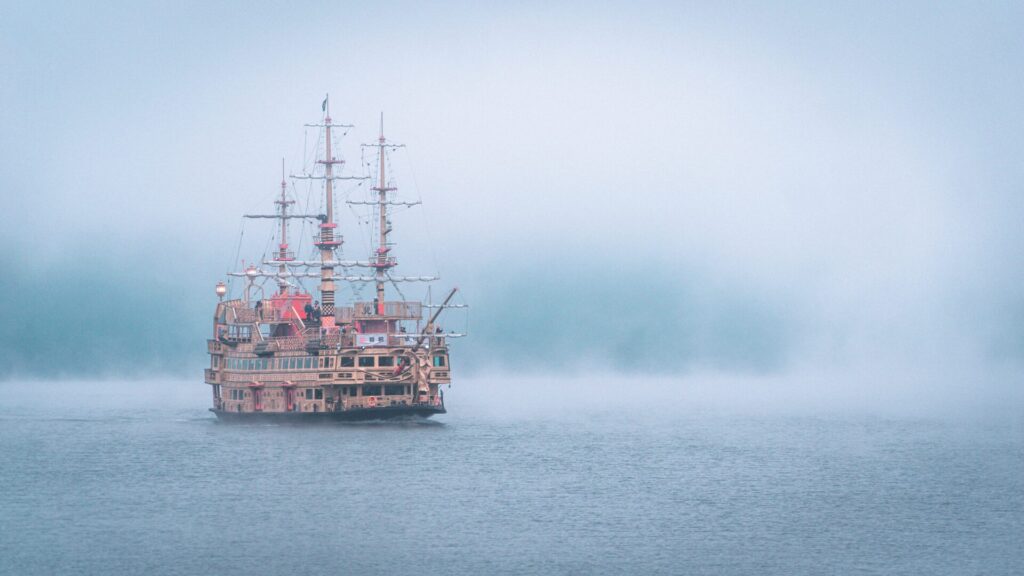
One of the most distinctive features of the Hakone Sightseeing Cruise is its fleet of ornate pirate-ship-style vessels. These elaborately decorated boats draw inspiration from 17th and 18th-century European warships and have become photogenic landmarks in their own right. As of 2026, the fleet includes:
- Royal II: A regal gold-and-crimson vessel with French baroque styling.
- Victory: Modeled after Admiral Nelson's flagship, featuring detailed woodwork and cannon replicas.
- Queen Ashinoko: The newest addition, launched in 2019, with a modern-classic design and barrier-free accessibility features.
All three ships offer open-air decks where passengers can enjoy unobstructed views of Lake Ashi and the surrounding landscape. The Queen Ashinoko, in particular, features improved accessibility with elevators and wider passageways, making it the best option for travelers with mobility concerns or those with strollers.
Best Time to Take the Hakone Sightseeing Cruise
The cruise operates year-round, but conditions and scenery vary significantly by season. Choosing the right time can dramatically enhance your experience.
Spring (March–May)
Spring is one of the best seasons for the cruise. Cherry blossoms frame the lakeside in late March and April, while fresh green foliage emerges in May. The weather is mild, and the chance of seeing Mount Fuji from the boat is relatively high during clear spring mornings.
Summer (June–August)
Hakone's elevation keeps temperatures a few degrees cooler than Tokyo, making the cruise a refreshing escape. However, the rainy season (tsuyu) in June and early July can bring fog and reduced visibility. Mid-summer tends to be very crowded, especially during Obon week in August.
Autumn (September–November)
Autumn foliage season, peaking in mid-to-late November, is arguably the most spectacular time for the cruise. The mountainsides surrounding Lake Ashi blaze with reds, oranges, and golds. However, this is also peak tourist season—expect long queues at Togendai Port on weekends.
Winter (December–February)
Winter offers the clearest views of Mount Fuji due to dry, crisp air. The lake is quieter, and you can often board without waiting. Temperatures on the open deck can be quite cold, so dress warmly. The cruise operates on a reduced schedule during winter months.
Time of Day
For the best chance of seeing Mount Fuji from the cruise, board early in the morning. Clouds and haze tend to build throughout the day, especially in warmer months. The first departures from Togendai (typically around 9:30 AM) offer the clearest conditions.
How to Get to the Hakone Sightseeing Cruise

Most visitors begin their cruise at Togendai Port, which is accessible via multiple routes from Tokyo.
By Train and Connecting Transport
The most popular route is to take the Odakyu Romancecar from Shinjuku Station to Hakone-Yumoto Station (approximately 85 minutes). From Hakone-Yumoto, you can reach Togendai by taking the Hakone Tozan Railway to Gora, transferring to the Hakone Tozan Cable Car to Sounzan, and then riding the Hakone Ropeway over Owakudani to Togendai. This scenic loop is one of the highlights of visiting Hakone and is fully covered by the Hakone Free Pass.
-
-
Hakone Ropeway: Complete Guide to Views, Tickets, and Tips for 2026
What Is the Hakone Ropeway? The Hakone Ropeway (箱根ロープウェイ) is one of the most iconic aerial tramways ...
続きを見る

By Bus
Direct buses run from Hakone-Yumoto Station to Togendai Port, Hakone-machi Port, and Moto-Hakone Port. The bus to Togendai takes approximately 35 minutes and is covered by the Hakone Free Pass. Express buses also run from Shinjuku directly to Lake Ashi during peak seasons.
By Car
Driving to Hakone from Tokyo takes approximately 90 minutes via the Tomei Expressway and Odawara-Atsugi Road. Each of the three cruise ports has nearby parking facilities, though spaces fill up quickly on weekends and holidays. Arriving early is strongly recommended if you plan to drive. For car enthusiasts, the Hakone Turnpike and surrounding mountain roads make the drive itself a memorable part of the trip.
-

-
Rent a Car Tokyo to Hakone Onsen: Complete Driving Guide for Visitors
Why Drive from Tokyo to Hakone Onsen? Renting a car gives you door‑to‑door access to hot spring town ...
続きを見る
What to See Near Each Cruise Port
The sightseeing cruise is best enjoyed as part of a broader Hakone itinerary. Each port serves as a gateway to distinct attractions.
Near Togendai Port
- Hakone Ropeway to Owakudani: Ride the aerial tramway over volcanic vents and hot springs. Try the famous black eggs (kuro-tamago) at Owakudani, said to add seven years to your life.
- Lake Ashi Promenade: A lakeside walkway perfect for photos of the pirate ships against the mountain backdrop.
-
-
Owakudani Hakone: Complete Guide to the Volcanic Valley, Black Eggs & Stunning Views in 2026
What Is Owakudani in Hakone? Owakudani — literally translated as "Great Boiling Valley" — is one of ...
続きを見る
Near Hakone-machi Port
- Hakone Sekisho (Checkpoint): A faithful reconstruction of the Edo-period barrier gate, complete with a museum documenting the history of the Tokaido Road.
- Cedar Avenue (Suginamiki): A 500-meter-long avenue lined with towering cryptomeria cedars, some over 350 years old.
Near Moto-Hakone Port
- Hakone Shrine: One of the most photographed spots in all of Hakone, featuring the torii gate that appears to float on the lake.
- Narukawa Art Museum: A small gallery with expansive views of Lake Ashi and Mount Fuji from its observation lounge.
- Onshi Hakone Park: A former imperial villa site with manicured gardens and panoramic lake views.
Hakone Sightseeing Cruise vs. Hakone Cruise (Swan Boats)
Visitors are sometimes confused by the fact that two different boat services operate on Lake Ashi. It is important to distinguish between them:
- Hakone Sightseeing Cruise (pirate ships): Operated by the Odakyu Group. Covered by the Hakone Free Pass. Uses the three ports described above.
- Hakone Ashinoko Cruise (twin-hull boats): Operated by Izuhakone Railway (Seibu Group). NOT covered by the Hakone Free Pass. Uses different ports—Hakone-en and Kojiri.
If you are traveling with a Hakone Free Pass, make sure to board the pirate ship sightseeing cruise at Togendai, Hakone-machi, or Moto-Hakone. The Izuhakone boats require a separate fare.
Practical Tips for Riding the Hakone Sightseeing Cruise

- Arrive early on weekends: During peak seasons (autumn foliage and Golden Week), lines at Togendai Port can exceed 30–60 minutes. Aim to arrive before 10:00 AM.
- Check the timetable: Departures run roughly every 30–40 minutes, with the last boat typically leaving around 5:00 PM (earlier in winter). Confirm the current schedule before your visit.
- Dress in layers: Temperatures on the open deck are noticeably cooler than on shore, especially in morning and late afternoon cruises.
- Secure a spot on the right side: When departing from Togendai toward Hakone-machi, the right side of the vessel offers the best views of Mount Fuji (weather permitting).
- Consider the special cabin: The upgraded seating area on the upper deck provides a quieter, more comfortable experience with guaranteed views. It is particularly worthwhile for families with young children.
- Combine with the Hakone loop: The most efficient way to experience Hakone is the classic counterclockwise loop: Hakone-Yumoto → Gora → Owakudani → Togendai (cruise) → Hakone-machi/Moto-Hakone → bus back to Hakone-Yumoto.
Frequently Asked Questions About the Hakone Sightseeing Cruise
Is the cruise canceled in bad weather?
The cruise may be suspended during strong winds, heavy rain, or typhoons. Fog does not always lead to cancellation, but visibility may be severely limited. The official website and Togendai Port staff provide real-time status updates.
Can I bring luggage on board?
Yes, you can bring suitcases and bags on board at no extra charge. However, space is limited, especially on crowded sailings. Coin lockers are available at Togendai Port and other stations if you prefer to travel light.
Is the cruise wheelchair accessible?
The Queen Ashinoko vessel is designed with barrier-free access, including an elevator between decks. Staff at the ports can assist with boarding. The other two pirate ships have more limited accessibility, so request the Queen Ashinoko in advance if you have mobility requirements.
How long should I budget for the entire experience?
A one-way cruise takes 25–30 minutes. If you plan to explore attractions at the departure and arrival ports, budget 2–3 hours for the cruise and surrounding sightseeing. For the full Hakone loop including the ropeway and train, a full day is ideal.
Can I see Mount Fuji from the cruise?
Mount Fuji is visible from the cruise on clear days, particularly during winter and early spring mornings. In summer and on humid days, the mountain is often hidden behind clouds. There is no guarantee, but early morning sailings maximize your chances.
Experience Japan’s Finest JDM Adventures
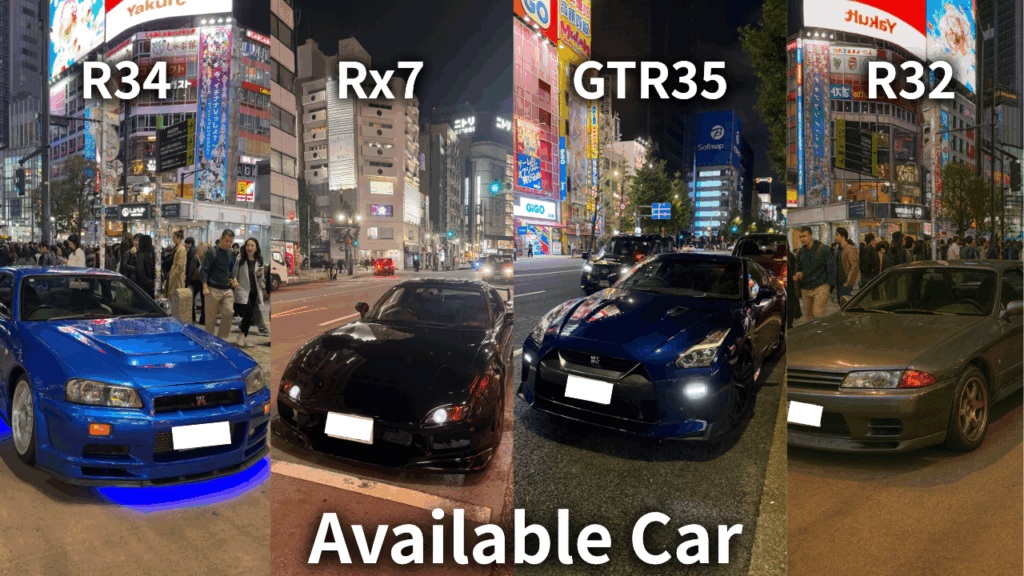
From Daikoku PA tours to JDM sports car rentals and drift experiences, we offer premium driving adventures for visitors who want more than ordinary sightseeing.
Get behind the wheel of iconic machines such as the GT-R, RX-7, and Supra, and experience Japan’s legendary car culture in the most unforgettable way. Whether you want a scenic Tokyo car experience or something more thrilling and immersive, we can guide you to the right plan.
Not sure which experience suits you best? No problem. Message us on WhatsApp and we’ll help you choose the ideal option based on your travel plans, interests, and driving experience.
Popular dates sell out quickly, so we recommend contacting us early.
Customer Reviews
Important Information
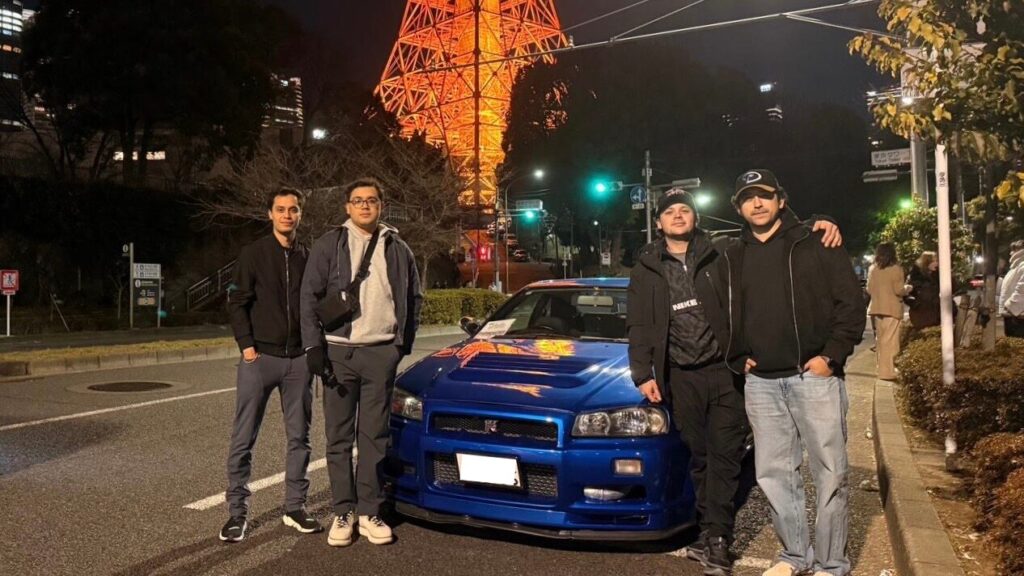
- This is a drive tour where you drive your rental car, and our guide navigates from the seat.
- This is a self-drive tour where you drive your rental car, and our guide navigates from the passenger seat.
- The tour begins and ends at the same location (Shibuya).
- If the Daikoku Parking Area is closed, we will instead guide you to another car meet further away.
- The consultant is a cultural expert and navigator, not a taxi service.
