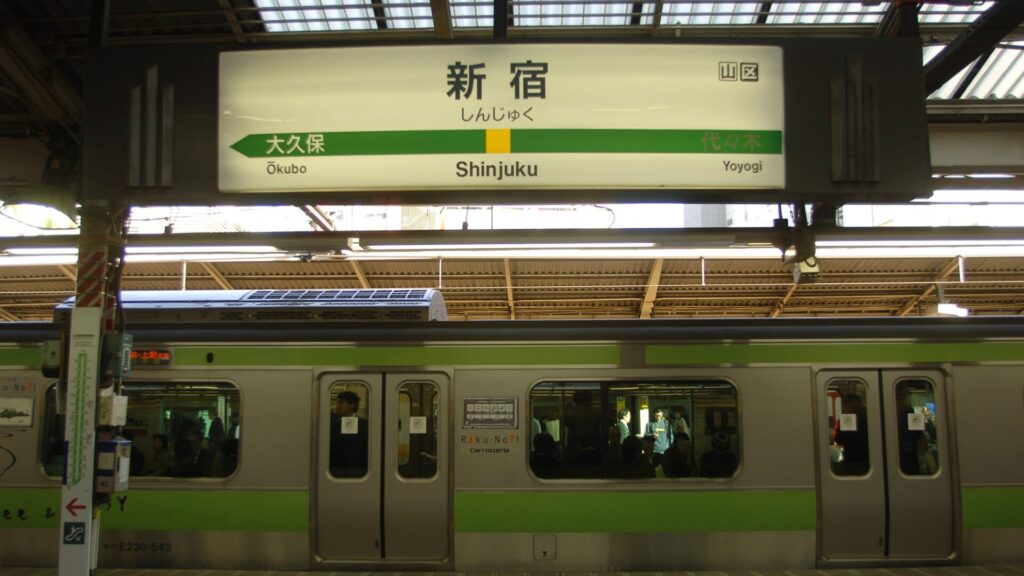
Why Shinjuku Is the Best Starting Point for Hakone
Shinjuku is the most convenient gateway from Tokyo to Hakone, regardless of which transport method you choose. The Odakyu Railway operates its flagship Romancecar limited express directly from Shinjuku Station, and the Shinjuku Expressway Bus Terminal (Busta Shinjuku) offers highway bus services to the Hakone area. If you are driving, the on-ramps to the Tomei Expressway and Odawara-Atsugi Road are easily accessible from the Shinjuku vicinity. In short, nearly every route from Shinjuku to Hakone is well-established, frequent, and tourist-friendly.
Hakone itself is one of Japan's premier hot spring and sightseeing destinations, located roughly 90 kilometers southwest of central Tokyo. Whether you plan a day trip or an overnight stay with onsen bathing and views of Mt. Fuji, getting there from Shinjuku is straightforward.
-

-
Hakone: The Ultimate Travel Guide for 2026 — Hot Springs, Mt. Fuji Views & Scenic Drives
Why Hakone Should Be on Every Japan Traveler's List Hakone is one of the most beloved destinations n ...
続きを見る
Option 1: Odakyu Romancecar (Fastest Train)
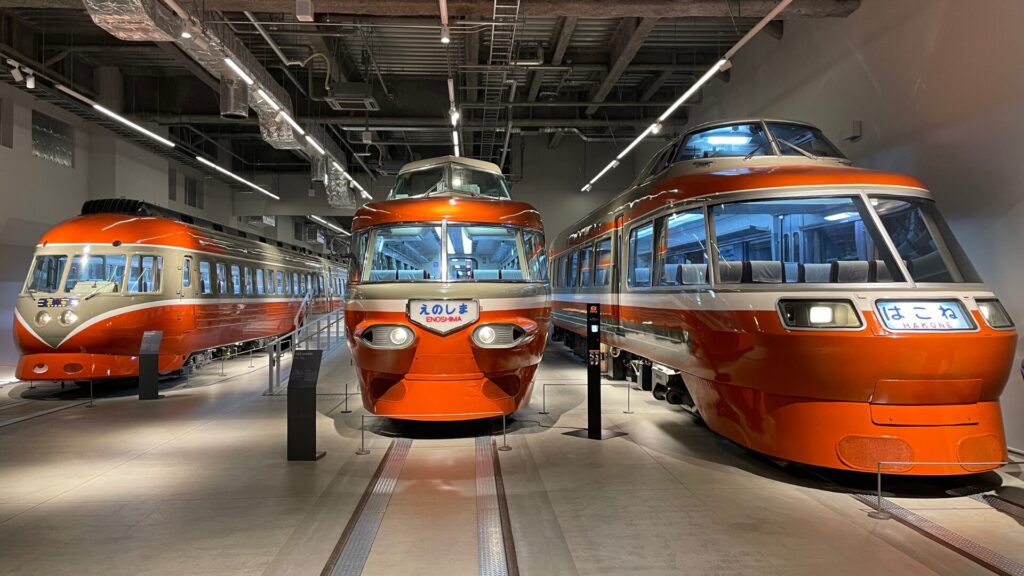
The Odakyu Romancecar is the most popular way to travel from Shinjuku to Hakone, and for good reason. This limited express train departs from Odakyu Shinjuku Station and arrives at Hakone-Yumoto Station in approximately 85 minutes with no transfers required.
Fare and Reservations
A one-way Romancecar ticket costs around ¥2,330 (base fare plus limited express surcharge). All seats are reserved, so it is strongly recommended to book in advance, especially during weekends, Golden Week, and the autumn foliage season. Tickets can be purchased at the Odakyu ticket counter in Shinjuku, through the Odakyu e-Romancecar website, or via the official app.
Pro Tips for the Romancecar
- Request a window seat on the left side (heading toward Hakone) for occasional glimpses of Mt. Fuji on clear days.
- The front-view observation car (VSE or GSE models) is extremely popular — book well in advance.
- If you plan to explore Hakone extensively, consider purchasing the Hakone Free Pass, which includes the round-trip Odakyu train fare (regular express, not Romancecar) plus unlimited use of buses, ropeways, cable cars, and the sightseeing cruise within the Hakone area.
-
-
Hakone Romancecar: A complete guide to riding Odakyu's iconic limited express train in 2026
What Is the Hakone Romance Car? The Hakone Romancecar is a limited express train operated by Odakyu ...
続きを見る
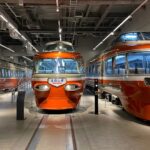
Option 2: Odakyu Regular Express + Hakone Free Pass
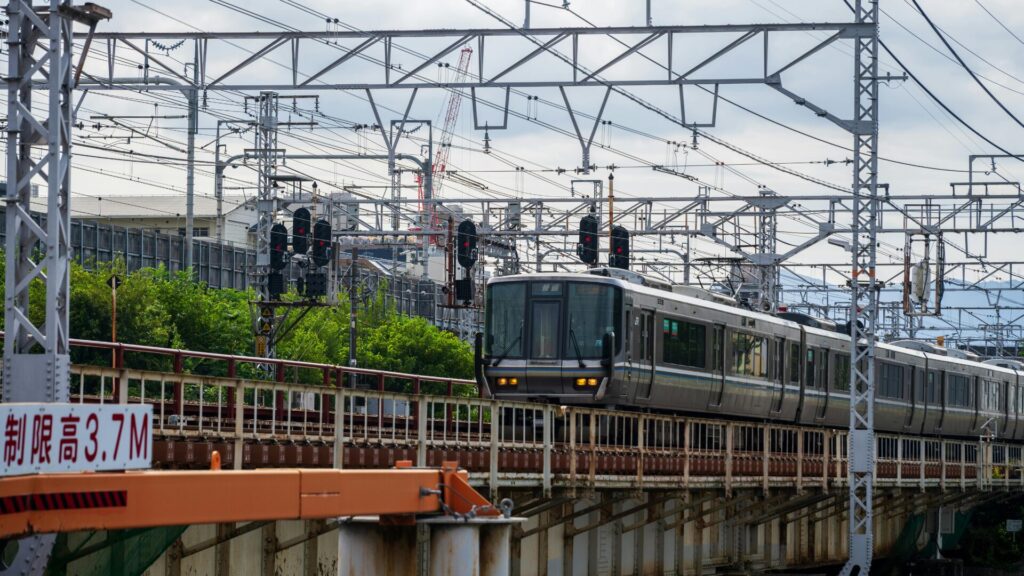
If you want to save money and plan to ride multiple forms of transport within Hakone, the Hakone Free Pass is the smartest investment. The pass includes a round-trip ticket on the Odakyu Line regular express train from Shinjuku to Odawara (not the Romancecar — you can upgrade by paying the surcharge separately).
Travel Time and Cost
The regular Odakyu express from Shinjuku to Odawara takes about 90 minutes, with an additional 15-minute ride on the Hakone Tozan Railway to reach Hakone-Yumoto. Total travel time is roughly 105 minutes. The 2-day Hakone Free Pass costs approximately ¥6,100 for adults and ¥1,100 for children in 2026, which represents significant savings if you ride the ropeway, cable car, and pirate ship during your Hakone visit.
-
-
Hakone Free Pass 2026: Complete Guide to Pricing, Coverage, and How to Use It
What Is the Hakone Free Pass? The Hakone Free Pass is an all-in-one sightseeing ticket issued by Oda ...
続きを見る
Option 3: Shinkansen via Odawara
While not the most cost-effective route, the Tokaido Shinkansen is the fastest rail option. Take the JR Chuo Line or Yamanote Line from Shinjuku to Tokyo Station, then board a Kodama or Hikari shinkansen to Odawara Station. From Odawara, transfer to the Hakone Tozan Railway for the final 15-minute leg to Hakone-Yumoto.
When This Route Makes Sense
- Japan Rail Pass holders: If you already have a JR Pass, the shinkansen ride to Odawara is fully covered, making this the cheapest option.
- Speed priority: Shinjuku to Tokyo Station takes about 15 minutes, and the shinkansen ride to Odawara is only 35 minutes. Total door-to-door time can be under 80 minutes.
- Without a JR Pass: The shinkansen fare from Tokyo to Odawara is roughly ¥3,500 for an unreserved seat, which makes this route pricier than the Romancecar for most travelers.
Option 4: Highway Bus from Busta Shinjuku
Budget-conscious travelers can take advantage of the Odakyu Hakone Highway Bus, which departs from Busta Shinjuku (located on the south side of Shinjuku Station, 4th floor). These buses run several times per day and serve destinations including Hakone-Yumoto, Gora, Sengoku, and Togendai (Lake Ashi).
Fare and Duration
One-way fares range from approximately ¥2,000 to ¥2,200 depending on the stop. Travel time is around 2 to 2.5 hours under normal traffic conditions, but this can extend significantly during peak periods, especially Friday evenings and holiday weekends. Reservations can be made online through the Odakyu Highway Bus website or Japan Bus Online.
Advantages and Drawbacks
- Advantage: Direct service to destinations beyond Hakone-Yumoto, including Togendai on Lake Ashi, which saves time if your first stop is the lake area.
- Advantage: Luggage space is available, which is helpful for overnight trips.
- Drawback: Highly susceptible to traffic congestion, particularly on the Tomei Expressway and the approach to Hakone.
Option 5: Driving from Shinjuku to Hakone

Driving from Shinjuku to Hakone gives you the most flexibility, especially if you want to explore the scenic roads, stop at viewpoints, or visit areas not easily accessible by public transport. The standard route follows the Shuto Expressway to the Tomei Expressway, then exits at Atsugi IC to take the Odawara-Atsugi Road, followed by the Hakone Shindo or Route 1 into the mountains.
Distance, Time, and Tolls
The drive covers approximately 90 to 100 kilometers and takes 1.5 to 2 hours under normal conditions. Expressway tolls total roughly ¥2,500 to ¥3,500 each way, depending on the route and whether you use the Hakone Turnpike (a scenic toll road with spectacular views). Parking at most Hakone attractions costs between ¥500 and ¥1,000.
The Hakone Turnpike Experience
Car enthusiasts in particular will appreciate the Hakone Turnpike, a winding toll road that climbs through forested mountains and offers panoramic views of Sagami Bay and, on clear days, Mt. Fuji. The road is well-maintained and is a favorite among driving enthusiasts visiting the greater Hakone area. Renting a JDM car in Tokyo and taking it through the Hakone Turnpike is one way to combine sightseeing with an unforgettable driving experience.
-
-
Hakone Turnpike: Japan's Most Scenic Toll Road for Driving Enthusiasts in 2026
What Is the Hakone Turnpike? The Hakone Turnpike (箱根ターンパイク), officially known as the TOYO TIRES Turn ...
続きを見る
Parking Tips
- Hakone-Yumoto has several paid parking lots near the station, but they fill up quickly on weekends.
- Gora and the Owakudani area have public parking available.
- If staying at a ryokan or hotel, most properties offer free guest parking.
-

-
Rent a Car Tokyo to Hakone Onsen: Complete Driving Guide for Visitors
Why Drive from Tokyo to Hakone Onsen? Renting a car gives you door‑to‑door access to hot spring town ...
続きを見る
Comparison Table: Shinjuku to Hakone Transport Options
- Romancecar: ~85 min | ~¥2,330 | Comfort: High | Best for: Convenience, first-time visitors
- Odakyu Express + Hakone Free Pass: ~105 min | ~¥6,100 (round trip + area pass) | Comfort: Moderate | Best for: Multi-attraction day trips
- Shinkansen via Odawara: ~80 min | ~¥3,500+ | Comfort: High | Best for: JR Pass holders
- Highway Bus: ~2–2.5 hr | ~¥2,000 | Comfort: Moderate | Best for: Budget travelers, Lake Ashi direct access
- Driving: ~1.5–2 hr | ~¥2,500–3,500 (tolls) | Comfort: Flexible | Best for: Groups, families, driving enthusiasts
Which Route Is Best for You?
For First-Time Visitors
The Odakyu Romancecar is the most hassle-free option. It departs from a clearly marked platform in Shinjuku, requires no transfers, and drops you directly at Hakone-Yumoto, the main hub of the Hakone area. Pair it with a Hakone Free Pass for maximum value if you plan to ride the loop circuit (train → cable car → ropeway → pirate ship → bus).
For Budget Travelers
The highway bus offers the lowest single-ride fare and takes you directly to several key locations within Hakone. If you are flexible with time and traveling outside of peak congestion windows (early morning departures are best), this is a solid choice.
For Groups and Families
Driving becomes increasingly economical when you split toll and fuel costs among three or four passengers. It also gives you the freedom to stop at roadside attractions, visit areas off the main tourist circuit, and carry luggage without the hassle of navigating crowded trains.
For Car Enthusiasts
If you appreciate Japanese automotive culture, driving from Shinjuku through the Hakone mountain roads is an experience in itself. The Hakone Turnpike and the Toyo Tires Turnpike offer some of the most rewarding driving in the Kanto region, with sweeping curves, elevation changes, and stunning scenery.
Timing Tips for the Shinjuku to Hakone Journey
Avoiding Peak Congestion
Hakone is one of the most visited destinations from Tokyo, and congestion can be severe during peak periods. Whether you are taking the train or driving, the following timing strategies will improve your experience:
- Weekdays are significantly less crowded than weekends, especially for driving.
- Early morning departures (before 8:00 AM) help you avoid both traffic and crowds at attractions.
- Return trips on Sunday evenings are notoriously congested on the expressway — consider departing by 3:00 PM or after 8:00 PM.
- Golden Week (late April–early May) and the autumn foliage season (November) are the most congested periods of the year.
Seasonal Considerations
Hakone is a year-round destination, but conditions along the route vary by season. Winter months (December through February) can bring frost or occasional snow to the mountain roads, so winter tires or chains may be required for drivers. Spring and autumn offer the most pleasant weather and stunning natural scenery. Summer is warm and humid but popular for its lush greenery and outdoor activities.
What Awaits You in Hakone
Once you arrive from Shinjuku, Hakone rewards you with an extraordinary range of experiences. The volcanic valley of Owakudani, the serene waters of Lake Ashi with its torii gate views, the Hakone Open-Air Museum's world-class sculpture garden, and dozens of natural hot springs are all within easy reach. Many visitors complete the famous Hakone Loop — a circular route connecting trains, cable cars, ropeways, and the sightseeing cruise — in a single day trip.
For those staying overnight, Hakone's ryokan and onsen hotels offer an authentic Japanese hospitality experience, with kaiseki cuisine and private hot spring baths. The area also provides some of the best Mt. Fuji viewpoints in the entire Kanto region, particularly from the shores of Lake Ashi and the summit station of the Hakone Ropeway.
Experience Japan’s Finest JDM Adventures
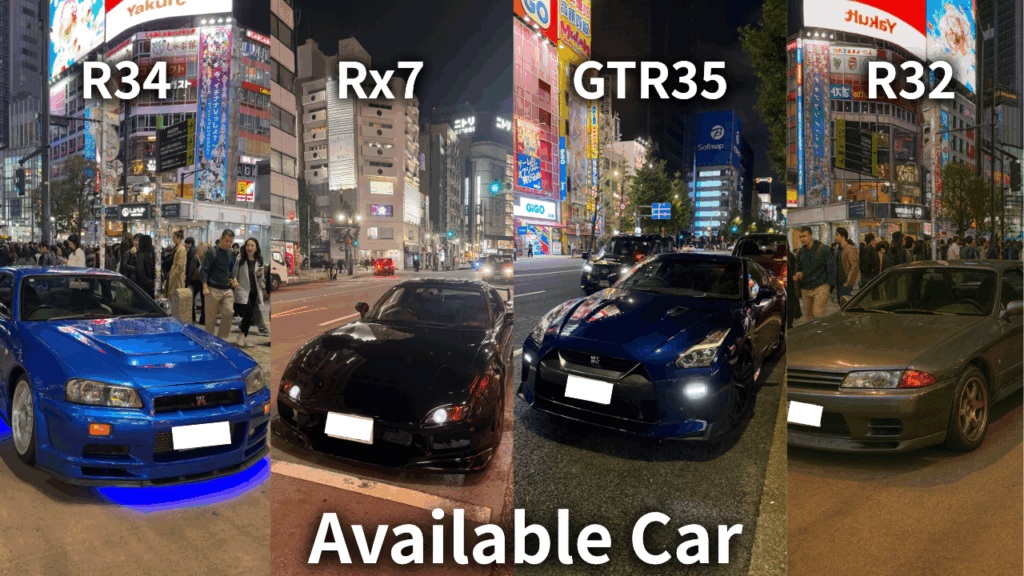
From Daikoku PA tours to JDM sports car rentals and drift experiences, we offer premium driving adventures for visitors who want more than ordinary sightseeing.
Get behind the wheel of iconic machines such as the GT-R, RX-7, and Supra, and experience Japan’s legendary car culture in the most unforgettable way. Whether you want a scenic Tokyo car experience or something more thrilling and immersive, we can guide you to the right plan.
Not sure which experience suits you best? No problem. Message us on WhatsApp and we’ll help you choose the ideal option based on your travel plans, interests, and driving experience.
Popular dates sell out quickly, so we recommend contacting us early.
Customer Reviews
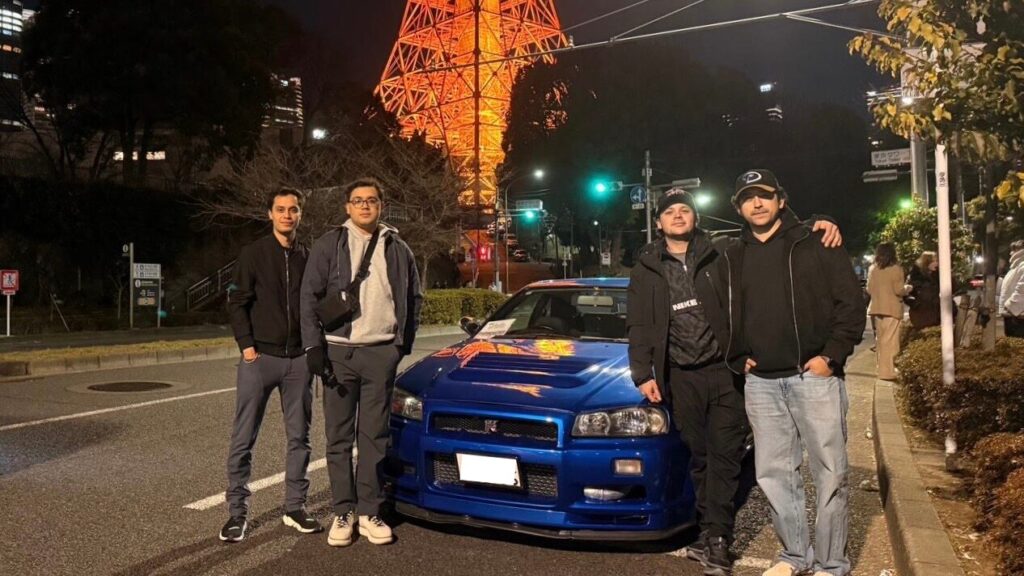
Important Information
- This is a drive tour where you drive your rental car, and our guide navigates from the seat.
- This is a self-drive tour where you drive your rental car, and our guide navigates from the passenger seat.
- The tour begins and ends at the same location (Shibuya).
- If the Daikoku Parking Area is closed, we will instead guide you to another car meet further away.
- The consultant is a cultural expert and navigator, not a taxi service.
